
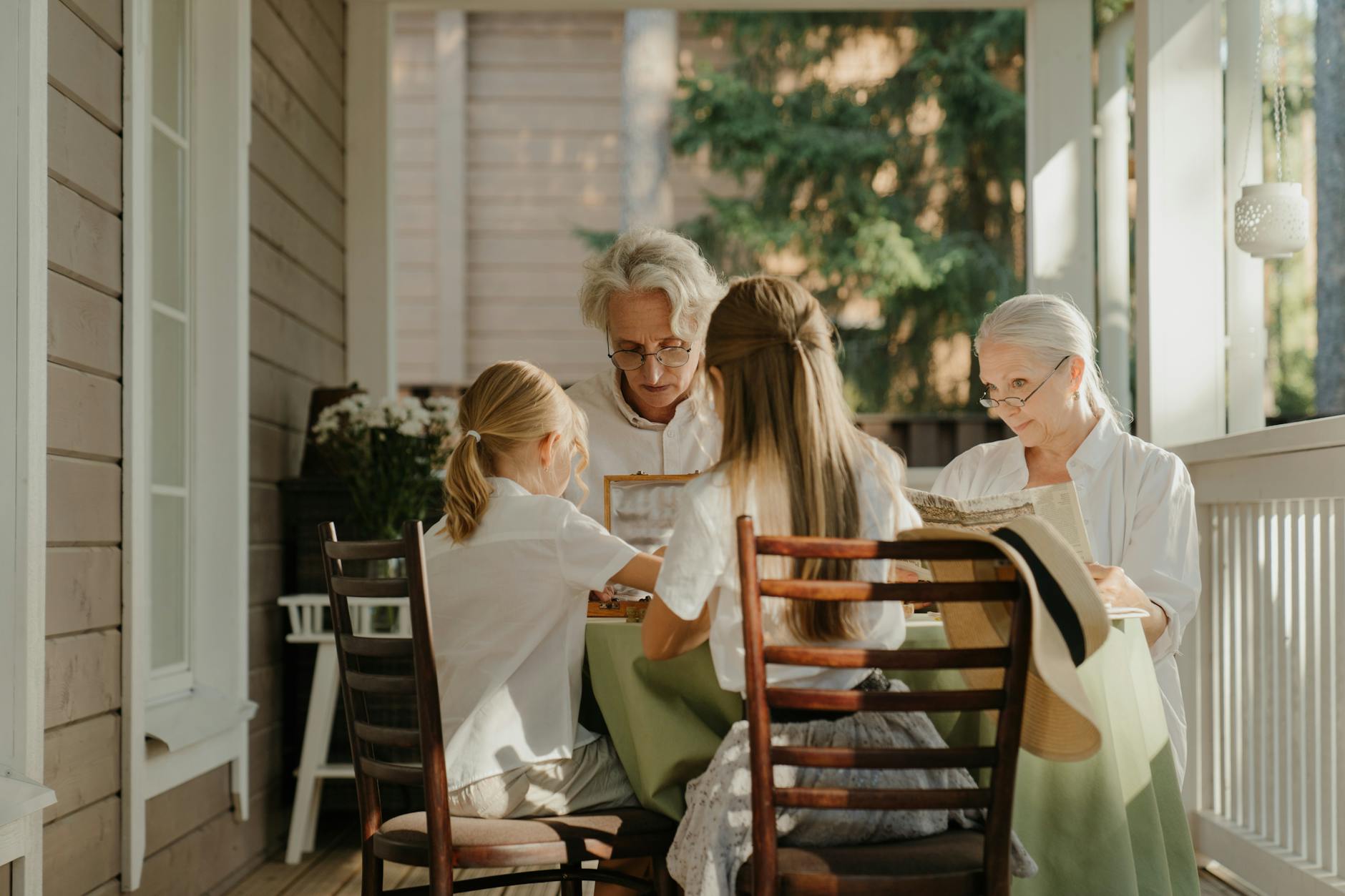
The impact of divorce on grandchildren is profound, often leaving them navigating emotional turmoil and uncertainty. As grandparents, understanding divorce effects kids is essential in providing the necessary support during this challenging time. This article serves as a comprehensive guide for grandparents seeking to help their grandchildren cope with the effects of divorce. We will explore the various ways grandparents can support their grandchildren, emphasizing the vital role they play in child development post-divorce. Additionally, we will discuss how to navigate family dynamics that may shift following a divorce and prepare for the changes in your relationship with your grandchildren. By equipping yourselves with knowledge and strategies, you can become a source of stability and love, fostering resilience in your grandchildren. Understanding the nuances of this situation will empower you to be the supportive presence they need. For further insights, you can refer to resources like American Psychological Association and NCBI that provide valuable information on divorce and its effects on children.
Understanding the Impact of Divorce on Grandchildren
Divorce can significantly affect grandchildren, influencing their emotions and behaviors. As a grandparent, it is crucial to understand these changes to offer support and guidance effectively. Follow these steps to recognize emotional responses and identify behavioral changes in your grandchildren during this challenging time.
1. Recognizing Emotional Responses
Begin by being attentive to the emotional states of your grandchildren. Emotional responses to divorce can vary widely, but some common feelings include:
- Sadness: Children might express sorrow over the family changes.
- Anxiety: Uncertainty about the future can lead to anxiety.
- Anger: Some children may feel anger towards one or both parents.
- Confusion: They might struggle to understand why the divorce is happening.
To further understand divorce effects kids, engage in open conversations. Ask them how they feel and encourage them to express their emotions. Make sure they know it is okay to share their thoughts with you.
2. Identifying Behavioral Changes Related to the Impact of Divorce on Grandchildren
Next, observe any behavioral changes that may indicate how your grandchildren are coping with the divorce. Common changes include:
- Withdrawal: Some children may become less social and avoid interactions with peers.
- Aggression: Increased irritability or aggressive behavior may surface.
- Regressive Behaviors: Younger children might revert to behaviors they had outgrown, like bedwetting.
- Academic Decline: Noticeable drops in school performance can occur due to emotional distress.
By recognizing these changes, you can better support your grandchildren through their emotional journey. Leverage your grandparents knowledge divorce to provide comfort and stability. Encourage participation in activities they enjoy to foster a sense of normalcy.
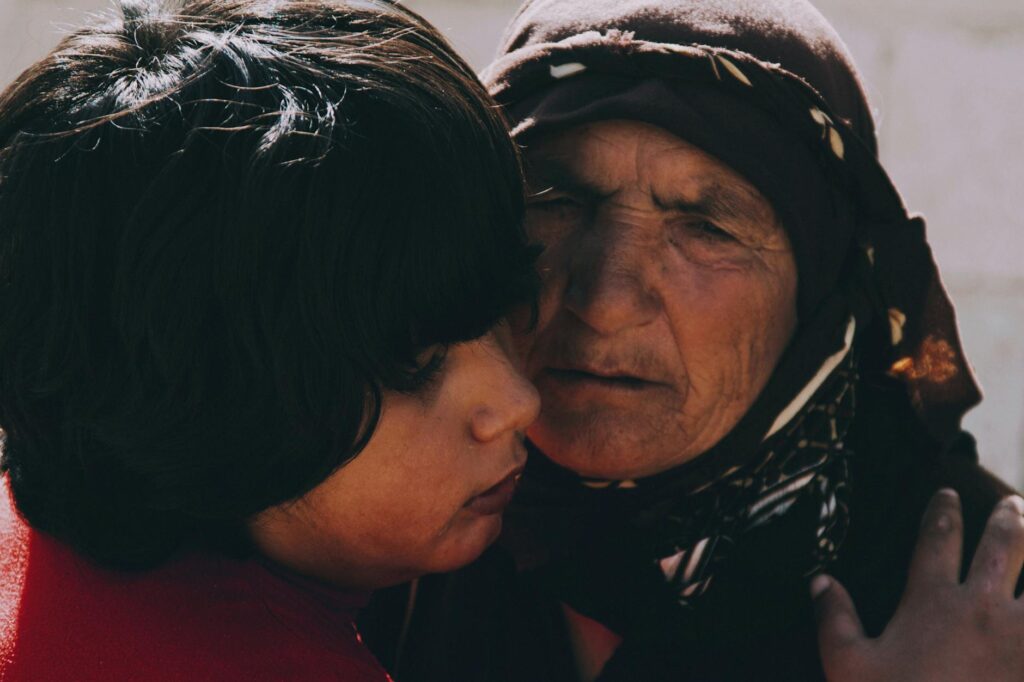
understanding the impact of divorce on grandchildren is essential for grandparents. By recognizing emotional responses and identifying behavioral changes, you can become a key source of support during this difficult period. This understanding will not only help your grandchildren cope but also strengthen your bond with them.
Steps for Grandparents to Support Grandchildren Through Divorce
As a grandparent, understanding the impact of divorce on grandchildren is crucial for providing the support they need during this challenging time. Follow these practical steps to help your grandchildren navigate their feelings and experiences.
1. Stay Available and Open
- Make Time: Schedule regular visits or phone calls to stay connected. This consistency reassures your grandchildren that they can rely on you during difficult times.
- Be Present: When spending time together, put away distractions. Show your grandchildren that they are your priority.
- Listen Actively: Allow your grandchildren to express their feelings without interruption. Acknowledge their emotions and validate their experiences. This promotes healthy communication and aids in understanding divorce effects on kids.
2. Encourage Expression of Feelings
- Create a Safe Space: Foster an environment where your grandchildren feel comfortable sharing their thoughts and emotions. Encourage open dialogue about their feelings regarding the divorce.
- Use Creative Outlets: Suggest activities such as drawing, writing, or playing games that can help them express their feelings in a non-verbal way. This can be particularly beneficial for younger children who may struggle to articulate their emotions.
- Validate Their Feelings: Remind your grandchildren that it is normal to feel a range of emotions, from sadness to anger. Reinforcing that their feelings are valid can help them process the changes they are experiencing.
By staying available and encouraging emotional expression, grandparents can play a pivotal role in mitigating the impact of divorce on grandchildren. Your support can foster resilience and aid in their understanding of the divorce and child development, allowing them to adapt to their new family dynamics.
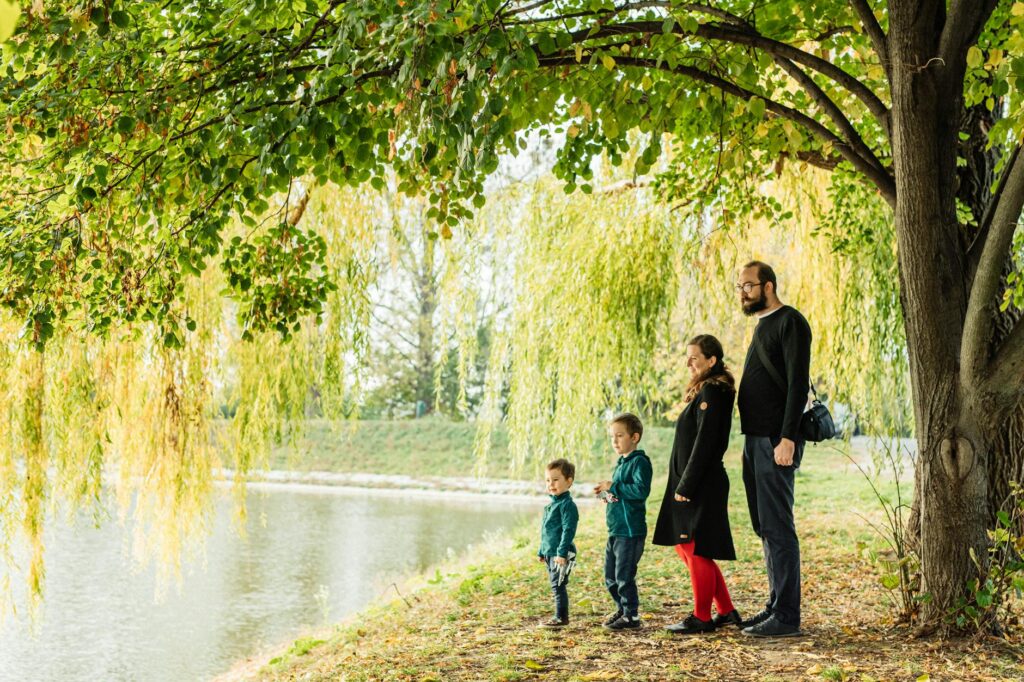
Utilize your experience and knowledge of divorce to guide your grandchildren through this transition. Your involvement can make a significant difference in how they cope with the changes in their family life.
For more insights on supporting grandchildren through divorce, consider exploring Helping Grandchildren During Divorce or Building Resilience in Grandchildren Affected by Divorce.
The Role of Grandparents in Child Development Post-Divorce
Understanding the impact of divorce on grandchildren is crucial for grandparents who wish to support their families during challenging times. Your involvement can significantly influence a child’s emotional and psychological well-being. Follow these steps to effectively contribute to your grandchild’s development.
Building Resilience
- Encourage Open Communication: Create a safe space for your grandchildren to express their feelings about the divorce. Listen actively and validate their emotions without judgment.
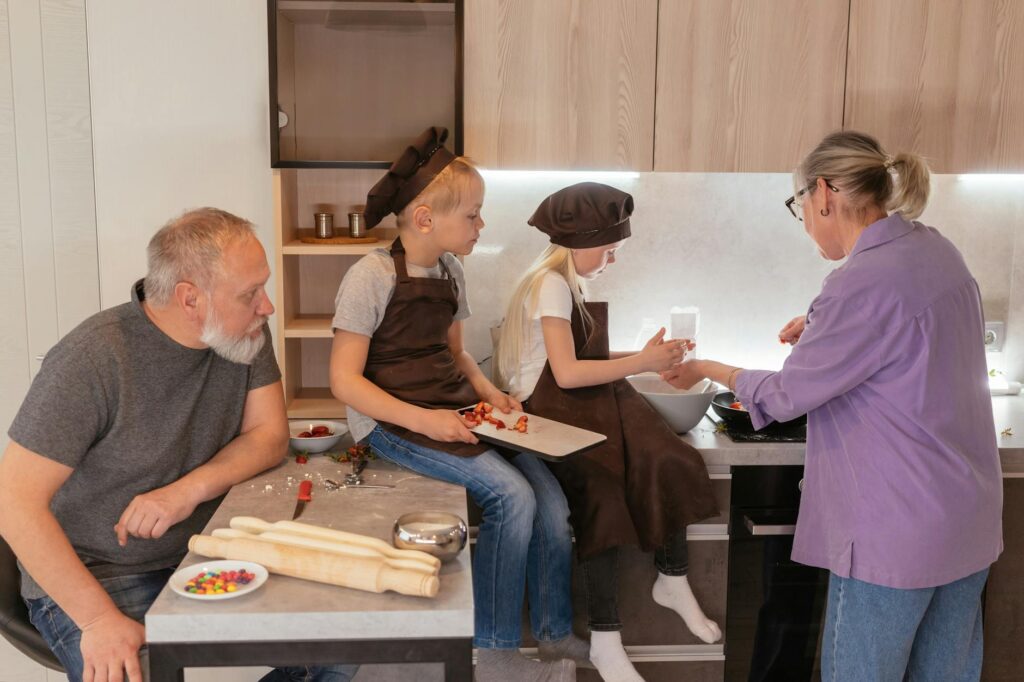
- Engage in Positive Activities: Plan fun and engaging activities that allow your grandchildren to relax and find joy. Simple actions like cooking together or playing games can strengthen your bond and provide a distraction from their worries.
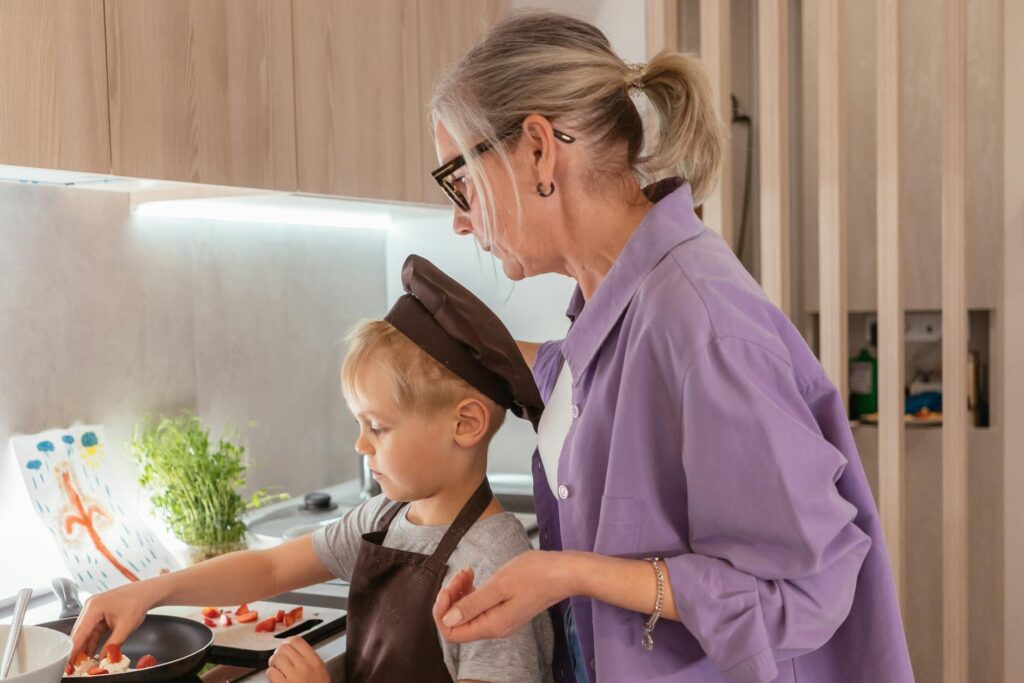
Photo by Mikhail Nilov on Pexels - Teach Coping Strategies: Share age-appropriate techniques for managing stress and disappointment, such as mindfulness exercises or creative outlets like drawing and writing.
Fostering Stability and Understanding Divorce Effects on Kids
- Maintain Consistent Routines: Establish regular schedules for visits and activities. Consistency can help children feel more secure amidst the changes in their family life.
- Provide Emotional Support: Be a reliable source of comfort. Offer reassurance that their feelings are normal and that it’s okay to feel sad or confused.
- Leverage Your Knowledge: Utilize your understanding of divorce and its effects on children to provide insights to their parents. Share resources and strategies that promote healthy coping mechanisms and emotional resilience.
Grandparents play a vital role in helping grandchildren navigate the complexities of divorce. By fostering resilience and stability, you can mitigate the impact of divorce on grandchildren and support their emotional development. Your love and involvement can make a significant difference in their lives during this challenging period. Embrace your role and remember, your support can help build a brighter future for your grandchildren. Recognizing Changes in Grandchildren’s Behavior
Navigating Family Dynamics After Divorce
Understanding family dynamics after a divorce can be challenging for grandparents. The impact of divorce on grandchildren often manifests in emotional and behavioral changes, requiring a thoughtful approach to help them adjust. Follow these steps to navigate these new family structures and maintain strong relationships with your grandchildren and their parents.
Understanding New Family Structures
- Recognize the New Family Landscape: Understand that your family structure has changed. Your child may now be co-parenting with an ex-spouse, leading to different family configurations, such as blended families. Acknowledge these changes to better support your grandchildren.
- Learn About the Effects: Educate yourself on the understanding divorce effects kids. Children may experience feelings of loss, anger, or confusion. Familiarize yourself with resources like this study on children’s emotional responses to divorce to understand their needs better.
- Communicate Openly: Foster communication with both parents and express your willingness to support each of them. This can help you remain a trusted figure in your grandchildren’s lives. Encourage open dialogues about feelings and concerns, validating their emotions.
Maintaining Relationships Amid Divorce and Child Development
- Prioritize Relationships: Make an effort to maintain relationships with both parents. This demonstrates your commitment to your grandchildren’s well-being and can ease tension between co-parents. Be supportive without taking sides.
- Encourage Co-Parenting: Help facilitate effective co-parenting by being a neutral party. Offer to mediate discussions if necessary, and help coordinate schedules for visits. Your grandparents knowledge divorce can be invaluable in creating a supportive environment.
- Be Present: Spend quality time with your grandchildren. This can provide them with stability and reassurance during uncertain times. Create special activities that are just for you and them, allowing them to feel loved and supported.
- Stay Positive: Maintain a positive outlook about the future. Encourage resilience by focusing on the strengths of your family and the opportunities for new beginnings. This attitude can significantly influence your grandchildren’s emotional recovery.
By following these steps, you can help mitigate the impact of divorce on grandchildren and foster an atmosphere of love, understanding, and security. Your role as a grandparent can be pivotal in their adjustment and development, making your support essential during this transition.

Preparing for Changes in Your Relationship with Grandchildren
Anticipating Emotional Shifts Due to the Impact of Divorce on Grandchildren
Recognize that your grandchildren may experience a range of emotions as they navigate the changes brought on by their parents’ divorce. Prepare yourself for these emotional shifts by following these steps:
- Educate Yourself: Gain knowledge about the emotional effects of divorce on children. Research the effects of divorce on child development to understand their feelings better.
- Open Communication: Encourage your grandchildren to express their feelings. Let them know that it is okay to be sad, angry, or confused. Acknowledge their emotions without judgment.
- Stay Present: Be available for your grandchildren. Spend time with them and listen actively. This will help them feel secure and supported during a tumultuous time.
Creating a New Bonding Routine
As you prepare for the changes in your relationship, focus on establishing new bonding activities that cater to your grandchildren’s emotional needs:
- Plan Regular Visits: Schedule consistent visits or video calls. This routine can provide stability amid the changes they are facing.
- Engage in Fun Activities: Choose activities that your grandchildren enjoy, such as baking, playing games, or doing crafts. This fosters a positive environment that helps alleviate some of the stress associated with their parents’ divorce.
- Encourage Open Dialogue: Use these activities as opportunities to talk about their feelings. Share your experiences to show them they are not alone, reinforcing your role as a trusted confidant.
By anticipating the emotional shifts and creating a new bonding routine, you can help mitigate the impact of divorce on grandchildren. Your support can play a significant role in their ability to cope with the changes and understand divorce effects kids in a healthier way.
For further resources on navigating these changes, consider exploring Creating a Safe Space for Your Grandchildren’s Feelings.
Understanding the impact of divorce on grandchildren can be a pivotal step for grandparents looking to support their families. By recognizing the emotional and psychological effects that divorce can have on children, you can provide the understanding and care they need during this challenging time. Your role as a grandparent can be vital in fostering stability and nurturing relationships that contribute positively to divorce and child development.
With your knowledge of divorce and its effects, you can create a safe space for your grandchildren to express their feelings. By staying informed and engaged, you can help them navigate their emotions and build resilience. Consider reaching out to local support groups or resources that focus on the impact of divorce on grandchildren, as these can offer valuable tools and insights. Your active involvement can make a significant difference in their lives, proving that love and support from family members endure, even amidst change.
“`html
What is the impact of divorce on grandchildren?
The impact of divorce on grandchildren can be significant and multifaceted. They may experience a range of emotions, including confusion, sadness, and anxiety, as they navigate changes in family dynamics. Grandchildren often feel a sense of loss or worry about their relationships with both parents and grandparents. Understanding these effects is crucial for grandparents who wish to provide support and stability during this challenging time.
How can grandparents help grandchildren cope with divorce?
Grandparents can help grandchildren cope with divorce by offering emotional support and open communication. Listening to their feelings without judgment can validate their experiences. Encouraging activities that foster stability, like regular visits or family traditions, also helps them feel secure. Additionally, providing a safe space for them to express their concerns can aid in their emotional healing throughout the process.
What emotional responses do kids have during a divorce?
During a divorce, children may exhibit various emotional responses, including sadness, anger, confusion, or even relief in some cases. They might fear abandonment or worry about changes in their living situation. Each child’s reaction can differ based on their age and understanding of the situation. It is essential for grandparents to recognize these feelings and provide reassurance and love as they navigate these experiences.
Are there specific ways divorce affects child development?
Divorce can have notable effects on child development, including social, emotional, and cognitive aspects. Children may struggle with forming secure attachments or managing relationships due to the instability of their family dynamics. Research indicates that children from divorced families may face challenges in academic performance and self-esteem. Understanding these potential impacts can help grandparents provide the necessary support and guidance as their grandchildren grow.
How can grandparents maintain a relationship with grandchildren after divorce?
Maintaining a relationship with grandchildren after a divorce can be achieved through consistent communication and involvement in their lives. Regular phone calls, video chats, or visits can help strengthen bonds. Also, being present during significant events, like birthdays or school functions, reinforces their sense of family support. Offering emotional stability and a listening ear can make a considerable difference in their lives during this transition.
What should grandparents know about their role in divorce situations?
Grandparents should understand that their role during a divorce is vital for providing support and stability. They can act as a buffer for emotional distress, offering a safe space for grandchildren to express their feelings. It is essential for grandparents to remain neutral and avoid taking sides, which can help maintain their relationships with both parents and grandchildren. Staying informed about the changing dynamics of the family is crucial for effective support.
“`