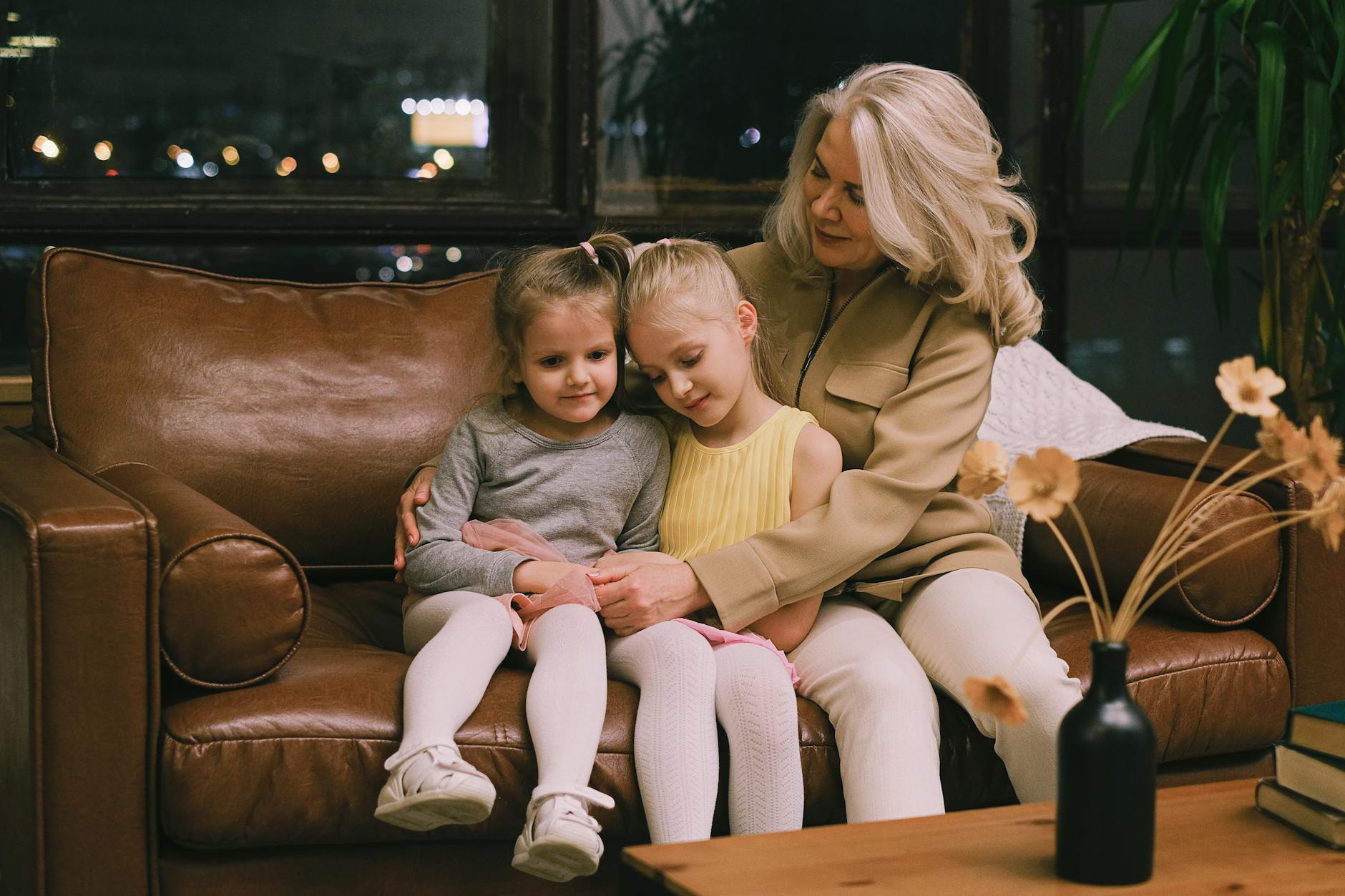
Creating a safe space for your grandchildren’s feelings during a divorce can be a transformative experience for both you and your loved ones. As a grandparent, fostering an environment where your grandchildren can freely express their emotions is essential, especially in times of family upheaval. This article will guide you through establishing a safe space that encourages emotional expression, providing tools and techniques to support your grandchildren’s feelings effectively. You’ll learn step-by-step methods to facilitate open conversations and nurture their emotional well-being. Additionally, we will explore ways to enhance your grandparents listening skills and offer valuable emotional support for kids. By implementing these strategies, you can help your grandchildren navigate the complex emotions that arise from divorce, ensuring they feel heard, understood, and loved. Let’s delve into how you can create this vital space and make a meaningful difference in their lives.
Establishing a Safe Space for Your Grandchildren’s Feelings About Divorce
Creating a safe space for grandchildren’s feelings about divorce is crucial for their emotional well-being. This supportive atmosphere encourages children to express their emotions openly, which can significantly aid in their coping mechanisms. Follow these steps to establish a nurturing environment for your grandchildren.
Understand the Importance of Emotional Support for Kids
Acknowledge their feelings: Recognize that your grandchildren may experience a range of emotions, including sadness, anger, or confusion. Validate these feelings to show that it is normal to feel this way during a divorce.
Encourage expression: Foster an environment where your grandchildren feel comfortable sharing their thoughts. Use open-ended questions to encourage expression feelings, making it clear that their emotions are safe with you.
Listen actively: Employ grandparents listening skills by giving them your full attention when they speak. Avoid interrupting and provide verbal affirmations to show you are engaged in the conversation.
Identify the Right Environment for Open Conversations
Choose a quiet space: Select a calm and quiet room, free from distractions. This could be a cozy corner in your home, complete with cushions and toys, where your grandchildren can feel relaxed and secure.
Create a comforting atmosphere: Use soft lighting and comfortable seating to establish a welcoming environment. This will help your grandchildren feel at ease, making it easier for them to open up about their feelings regarding the divorce.
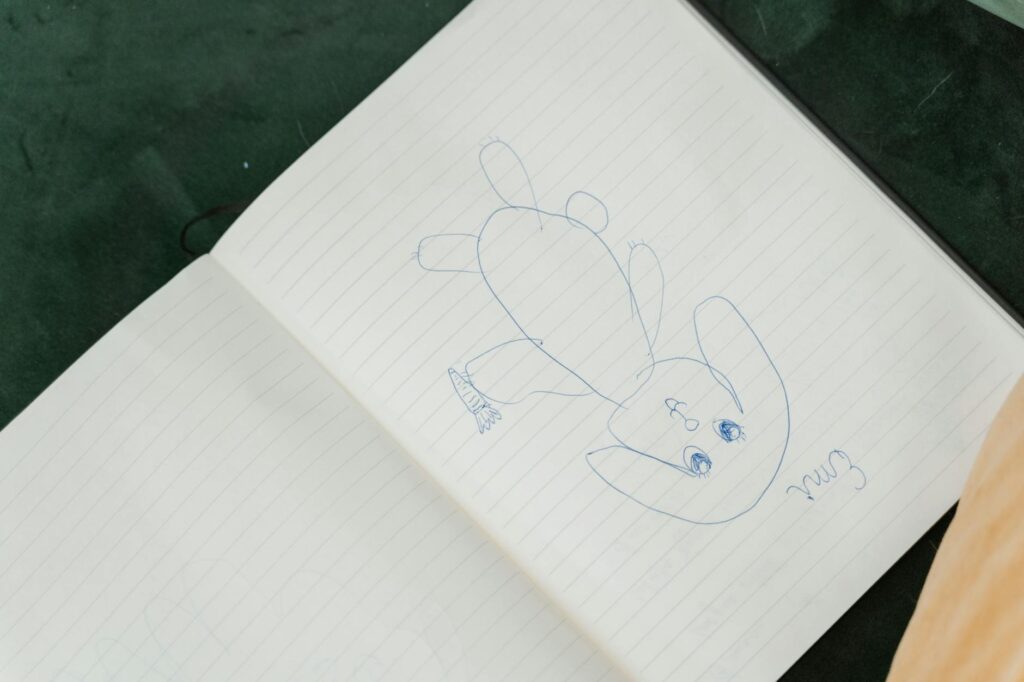
Utilize tools for expression: Provide art supplies, journals, or even stuffed animals. These tools can help children articulate their emotions better, making it a fun and engaging process.
By following these steps to create a safe space for grandchildren’s feelings about divorce, you are not only providing them with emotional support for kids but also fostering resilience. This supportive environment allows them to navigate their feelings and develop healthy coping strategies for the future.
Step-by-Step Guide to Encourage Expression of Feelings
Creating a safe space for grandchildren’s feelings during divorce is essential for their emotional well-being. This step-by-step guide will help you encourage your grandchildren to express their feelings effectively.
Step 1: Use Open-Ended Questions
Start conversations by asking open-ended questions that prompt deeper responses. Instead of yes or no questions, try:
“How do you feel about what’s happening?”
“Can you tell me more about your day?”
“What’s on your mind lately?”
These questions encourage your grandchildren to elaborate on their feelings, fostering an environment where they feel comfortable sharing their thoughts. Open-ended questions are a powerful tool for encouraging expression of feelings and help you understand their perspective better.
Step 2: Practice Active Listening Skills
Demonstrating strong grandparents listening skills is crucial. When your grandchildren speak, give them your full attention. Here’s how:
Maintain eye contact to show you’re engaged.
Nod or use verbal affirmations like “I see” or “Go on” to encourage them to continue.
Avoid interrupting or offering solutions immediately; instead, allow them to express themselves freely.
This approach not only enhances their willingness to share but also builds trust, making it easier for them to voice their feelings in the future.
Step 3: Validate Their Emotions
After your grandchildren share their feelings, validate them. Acknowledge their emotions by saying things like:
“It’s okay to feel sad; that’s a normal reaction.”
“I understand why that would upset you.”
“Your feelings are important to me.”
Validating emotions nurtures a safe space for grandchildren’s feelings during divorce, reinforcing that it’s acceptable to express themselves. This emotional support for kids empowers them to navigate their feelings and strengthens your bond.
By following these steps, you can encourage your grandchildren to express their feelings openly, creating a nurturing environment where they feel safe and supported.
Tools and Techniques to Support Emotional Expression
Creating a safe space for your grandchildren’s feelings during a divorce involves providing them with tools to express their emotions. Here are effective methods to encourage emotional expression and strengthen your relationship with them.
Creative Outlets: Art and Writing
Gather Supplies: Collect art supplies such as crayons, markers, colored pencils, and paper. Consider adding journals or notebooks for writing. These materials will allow your grandchildren to explore their feelings creatively.
Encourage Expression: Invite them to draw or write about their emotions. Suggest prompts like “Draw how you feel today” or “Write a letter to someone who makes you happy.” This helps articulate what they might find difficult to say.
Share Together: Set aside time for you and your grandchildren to engage in these creative activities together. Discuss their artwork or writing afterward to deepen your connection. Use this time to reinforce that their feelings are valid and important.
Establishing Regular Check-Ins for a Safe Space for Grandchildren’s Feelings During Divorce
Schedule One-on-One Time: Regularly set aside time to check in with your grandchildren. This could be a weekly coffee date or an afternoon walk. Consistency reinforces that they are valued and creates a safe space for their feelings.
Practice Listening Skills: During these check-ins, focus on your grandparents listening skills. Encourage them to share their thoughts and feelings without interruption. Respond with empathy and understanding to validate their emotions.
Ask Open-Ended Questions: Use questions that prompt deeper reflection, such as “What was the best part of your week?” or “How did you feel about that?” This encourages them to express their thoughts and feelings more freely.
Establishing these creative outlets and regular check-ins provides emotional support for kids, helping them navigate their feelings during a challenging time like divorce. By fostering an environment where they feel safe to express themselves, you play a crucial role in their emotional development.
Maintaining the Safe Space for Ongoing Conversations
Creating a safe space for your grandchildren’s feelings, especially during challenging times like divorce, requires ongoing effort and commitment. To ensure that this space remains welcoming and effective, follow these steps:
1. Be Consistent and Patient
Establish a Routine: Schedule regular times for conversations. This could be during a weekly visit or a phone call. Consistency helps your grandchildren know when they can express their feelings.
Stay Open-Minded: Approach each conversation without judgment. Encourage your grandchildren to share without fear of negative reactions.
Practice Patience: Understand that your grandchildren may not open up immediately. Be patient and give them time. Sometimes, feelings take a while to surface.
Reinforce the Safe Space: Remind your grandchildren that your home is always a safe space for their feelings. Use phrases like, “You can always talk to me about anything.”
2. Encourage Regular Expression of Feelings
Ask Open-Ended Questions: Use questions that require more than a yes or no answer. For example, “How did that make you feel?” This encourages deeper conversation.
Create a Comfortable Environment: Ensure that the atmosphere is relaxed. Engage in activities like drawing or playing games that promote spontaneous sharing of feelings.
Model Emotional Expression: Share your feelings appropriately. By demonstrating your own emotional experiences, you encourage your grandchildren to feel comfortable doing the same.
Use Tools for Expression: Consider using journals or art supplies to help your grandchildren express their feelings visually and verbally. Photo by MART PRODUCTION on Pexels This can be especially beneficial during times of transition, such as divorce.
By maintaining a consistent and patient approach, and by actively encouraging expression of feelings, you can ensure that your grandchildren feel supported and understood. This fosters essential emotional support for kids, reinforcing the importance of maintaining a safe space for their feelings during times of change, such as divorce. Strengthening your grandparents listening skills will also enhance these conversations, making them more effective and impactful. Remember, the key is to keep the lines of communication open and accessible.
Tips for Grandparents: Enhancing Listening Skills and Emotional Support
Creating a safe space for grandchildren’s feelings during divorce is essential for their emotional well-being. Here’s how you can enhance your listening skills and provide the emotional support they need:
1. Stay Calm and Receptive
To effectively support your grandchildren, remain calm and open during conversations. Follow these steps:
Find a suitable environment: Choose a quiet, comfortable space for discussions. This will help set the tone for a safe space where they feel free to express their feelings.
Practice active listening: Use non-verbal cues like nodding and maintaining eye contact. This shows that you are genuinely engaged and care about what they are saying.
Use reflective listening: Repeat back what your grandchild says to ensure you understand their feelings correctly. For example, say, “It sounds like you’re feeling sad about the divorce.” This encourages further expression of feelings.
2. Avoid Judgment and Offer Comfort
Creating an environment where your grandchildren feel valued and understood is key. Here’s how:
Stay neutral: Avoid expressing strong opinions or judgments. Your goal is to listen, not to solve their problems immediately. This reinforces the idea that they can share anything without fear of criticism.
Encourage emotional expression: Let them know that all feelings are valid. Use phrases like, “It’s okay to feel upset about the changes happening.” This can foster an atmosphere of openness.
Offer physical comfort: A gentle hug or a reassuring touch can provide emotional support for kids, making them feel safe and secure.
By enhancing your grandparents listening skills and offering emotional support, you create a safe space for grandchildren’s feelings during divorce. Remember, the goal is to help them navigate their emotions and feel supported throughout this challenging time.
Creating a safe space for your grandchildren’s feelings during times of divorce is essential for their emotional well-being. By encouraging expression of feelings, you not only validate their experiences but also foster resilience and understanding. Utilizing effective grandparents listening skills can make a significant difference, allowing you to better support them in processing their emotions.
As you continue to nurture this safe environment, remember that your role as a source of emotional support for kids is invaluable. Take the time to check in with your grandchildren regularly, opening up conversations about their feelings. This practice will not only strengthen your bond but also empower them to navigate their emotions more freely. Start today by setting aside dedicated time to talk and listen, ensuring they know their feelings are always welcomed and heard.
“`html
How can I create a safe space for my grandchildren?
Creating a safe space for your grandchildren involves fostering an environment where they feel comfortable expressing themselves without fear of judgment. Start by encouraging open communication, actively listen to their concerns, and validate their feelings. Make your home a welcoming place where they know their emotions are respected. You can also set aside regular time for one-on-one conversations or activities, allowing them to share their thoughts freely. This is especially important during challenging times, such as a divorce, where emotional support is crucial.
What are some ways to encourage expression of feelings?
Encouraging expression of feelings can be achieved through various methods. Start by modeling emotional expression yourself; share your feelings openly. Engage in activities that stimulate conversation, such as storytelling or art projects. Ask open-ended questions that invite them to share their thoughts. You can also use books or movies to spark discussions about emotions. Create a routine where feelings are discussed, making it a normal part of your interactions, which helps your grandchildren feel more comfortable expressing their feelings.
How can grandparents improve their listening skills?
Improving listening skills involves being fully present during conversations with your grandchildren. Avoid distractions, such as phones or television, and maintain eye contact to show you value what they are saying. Practice active listening by acknowledging their feelings and summarizing what they have shared to ensure understanding. Encourage them to elaborate on their thoughts, which demonstrates that you care about their perspective. Regularly practicing these techniques will enhance your ability to connect and offer emotional support, making your relationship stronger.
What emotional support do kids need during a divorce?
During a divorce, children need emotional support that helps them process their feelings of confusion, sadness, and anxiety. It is essential to reassure them that both parents love them and that the divorce is not their fault. Encourage open discussions about their feelings and validate their experiences. Offer stability in their routines and provide a safe environment for them to express their emotions. As a grandparent, being a steady and nurturing presence can significantly aid in their emotional recovery during this challenging time.
How do I validate my grandchild’s emotions?
Validating your grandchild’s emotions involves acknowledging their feelings as genuine and important. You can do this by listening actively and responding with empathy. Use phrases like, “It’s okay to feel sad,” or “I understand why you’re upset.” Encourage them to express themselves without fear of judgment. By showing that you accept their feelings, you create a safe space where they can share their thoughts freely. This approach not only builds trust but also strengthens your relationship with them.
What creative outlets can help children express feelings?
Creative outlets can be an excellent way for children to express their feelings. Art, such as drawing or painting, allows them to visualize their emotions. Writing stories or keeping a journal can help them articulate their thoughts. Music, whether through playing an instrument or listening to their favorite songs, can also be therapeutic. Encourage your grandchildren to explore these activities, as they can serve as powerful tools for processing emotions and providing a safe space for their feelings.