

Navigating emotions during a divorce can be particularly challenging for grandchildren, and as a grandparent, your support can make a significant difference. This article, “Navigating Emotions: Helping Grandchildren During Divorce,” offers practical insights into how you can be a pillar of strength for your family during these tough times. We will explore the importance of emotional guidance for kids and how grandparents can play a crucial role in supporting children through divorce. From recognizing the signs of emotional distress to offering comforting words and activities, you’ll find valuable tips on grandparents helping with emotions. Additionally, we’ll provide resources for further support, ensuring that you are well-equipped to help your grandchildren navigate their feelings. Whether you are new to this role or seeking ways to improve your support, this guide will empower you to be a source of comfort and stability for your family. For more information on coping strategies, visit the American Psychological Association and explore their resources on divorce and children.
Navigating Emotions: A Guide for Grandparents During Divorce
Understanding the Impact of Divorce on Children
Divorce can significantly affect children’s emotions, leading to feelings of confusion, anger, sadness, and anxiety. Each child reacts differently based on their age, personality, and family dynamics. Younger children may struggle to understand the reasons behind the divorce, often fearing abandonment or blaming themselves. Adolescents might express their emotions through anger or withdrawal, feeling caught between their parents. Acknowledging these varied responses is crucial in navigating emotions grandchildren divorce effectively.
Steps to Provide Emotional Guidance for Kids
As a grandparent, you play a pivotal role in helping your grandchildren cope during this challenging time. Follow these steps to provide effective emotional guidance:
- Be Present and Available: Make it clear that you are there for your grandchildren. Spend quality time with them, creating opportunities for open dialogue.
- Listen Actively: When they express their feelings, listen without interrupting. Show genuine interest in what they have to say. Use phrases like, “I understand this is hard for you,” to encourage them to share more.
- Validate Their Feelings: Let them know that it’s okay to feel sad, angry, or confused. Acknowledge their emotions without judgment. Say things like, “It’s normal to feel upset during a time like this.” This validation is crucial for their emotional well-being.
- Create a Safe Space for Discussions: Foster an environment where your grandchildren feel comfortable discussing their thoughts and feelings. This can be a cozy corner in your home or during a walk in the park. Make it a routine to check in on how they are feeling.
- Encourage Expression: Suggest ways they can express their emotions, such as drawing, writing in a journal, or engaging in physical activities. These outlets can help them process their feelings.
- Provide Reassurance: Remind them that they are loved and supported by both parents and grandparents. Reassure them that it’s okay to miss the way things used to be, but things will get better with time.
- Seek Professional Help if Needed: If you notice persistent signs of distress in your grandchildren, consider encouraging their parents to seek professional support. Therapy can be a valuable resource for children navigating their emotions during divorce.
By implementing these steps, you will be supporting children through divorce and helping them navigate their emotions. Remember that your presence and understanding can make a significant difference in their lives during this challenging period.
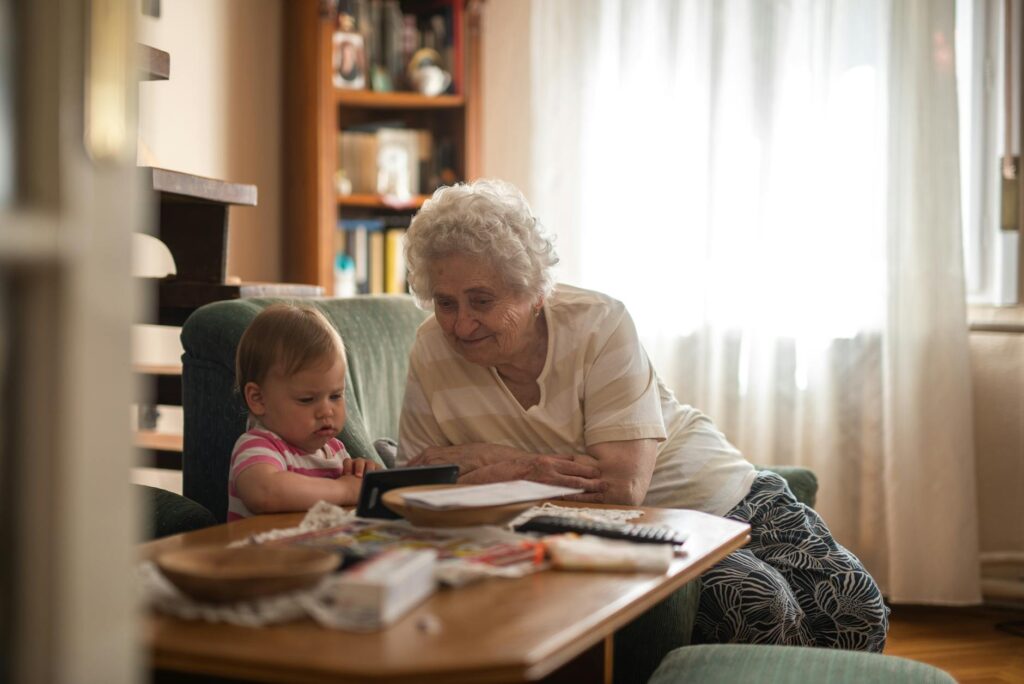
Supporting Your Grandchildren Through Divorce
Navigating emotions during grandchildren’s divorce can be overwhelming for both the children and their grandparents. As a grandparent, you play a vital role in providing emotional guidance for kids during this challenging time. Here’s how to support your grandchildren effectively.
Communicating Openly with Your Grandchildren
- Create a Safe Space: Ensure your grandchildren know they can talk to you without judgment. A comfortable environment fosters open communication.
- Ask Open-Ended Questions: Encourage them to share their feelings by asking questions such as:
- “How are you feeling about everything happening?”
- “What do you miss the most?”
- “Is there something specific that makes you feel sad or angry?”
- Encourage Sharing: Let them express themselves verbally. Share your own feelings too, if appropriate, to show them that it’s okay to talk about emotions.
- Listen Actively: Pay attention to what they say. Validate their feelings by saying things like, “It’s okay to feel that way.” This affirmation can significantly help them in navigating emotions during their parents’ divorce.
By communicating openly, you can become a trusted source of support, making you essential in their journey of managing emotional responses during this difficult time.
Activities to Help Them Express Their Emotions
Engaging in creative activities can be a powerful way to help your grandchildren process their feelings. Here are some suggestions:
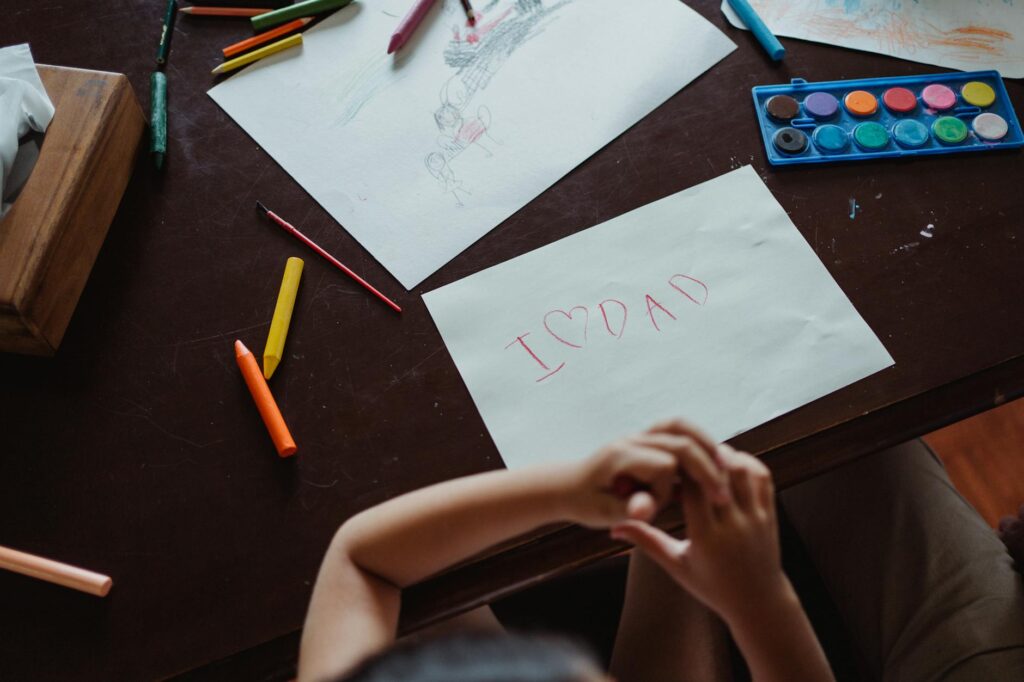
- Drawing and Coloring: Provide coloring books or blank sheets of paper. Encourage them to draw their feelings or what they wish for in the future. This can serve as a non-verbal outlet for their emotions.
- Journaling: Suggest they keep a journal to write about their thoughts and feelings. Writing can be a therapeutic way to reflect on emotions and experiences. You can even offer to write together, which makes it a bonding activity as well.
- Storytelling: Encourage them to come up with stories that reflect their feelings. Perhaps they can create characters that represent their emotions. This can help them articulate complex feelings in a more accessible way.
- Physical Activity: Engage in outdoor activities like walking, biking, or playing sports. Physical movement can help release pent-up emotions and provide a healthy distraction.
These activities not only foster emotional expression but also build stronger connections between you and your grandchildren. As grandparents helping with emotions, your involvement can make a significant difference in their healing process.
Remember, supporting children through divorce requires patience, understanding, and love. By applying these strategies, you can help your grandchildren navigate emotions during this challenging time, ensuring they feel supported and heard.
Practical Tips for Grandparents Helping with Emotions
Navigating Emotions in Grandchildren During Divorce
As a grandparent, your support can be instrumental in helping your grandchildren cope with the emotional challenges of divorce. Follow these practical steps to create a nurturing environment and encourage healthy coping mechanisms.
Creating a Safe and Supportive Environment
- Establish Open Communication: Encourage your grandchildren to express their feelings. Listen actively without judgment. Use phrases like, “It’s okay to feel sad,” to validate their emotions.
- Provide a Routine: Children thrive on stability. Create a consistent daily schedule that includes meals, activities, and downtime. This predictability helps them feel secure during uncertain times.
- Designate a Safe Space: Set up a cozy area in your home where your grandchildren can retreat when they need to process their emotions. Include comforting items like soft blankets, stuffed animals, and their favorite books.
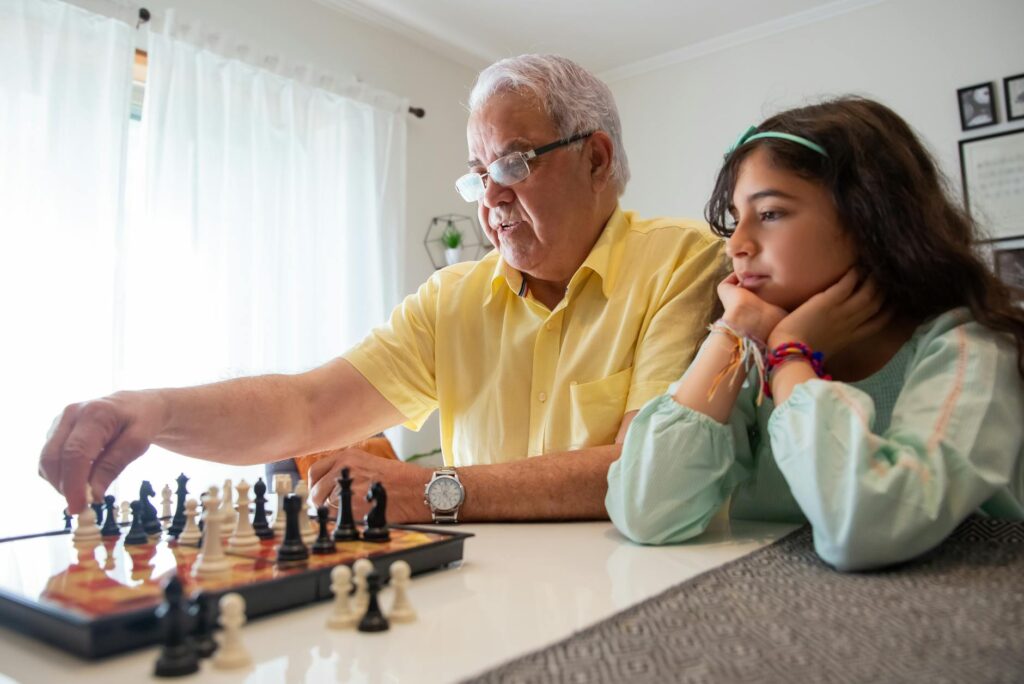
- Be Present: Spend quality time with your grandchildren. Engage in activities they enjoy, whether it’s cooking, playing games, or going for a walk. Your presence alone can be a source of comfort.
Encouraging Healthy Coping Mechanisms
- Promote Physical Activity: Encourage exercise as a way to help your grandchildren cope with their emotions. Activities like biking, swimming, or even simple walks can relieve stress and improve mood.
- Introduce Mindfulness Practices: Teach them simple mindfulness techniques such as deep breathing or meditation. These practices can help ground them and provide emotional clarity.
- Encourage Journaling: Suggest keeping a journal where they can express their thoughts and feelings. This can serve as an emotional outlet and help them process what they are going through.
- Model Healthy Emotional Responses: Demonstrate how to manage emotions by talking about your feelings and coping strategies. Share how you navigate your emotions during tough times, reinforcing that it’s okay to seek help.
By implementing these strategies, you can provide invaluable emotional guidance for kids navigating the complexities of divorce. Your proactive approach as grandparents helping with emotions will create a loving environment that fosters resilience and understanding.
For more insights on supporting children through divorce, consider exploring additional resources to enhance your understanding and effectiveness in this vital role. Building Resilience in Grandchildren Affected by Divorce
Resources for Further Support
When navigating emotions grandchildren experience during divorce, having the right resources can make all the difference. This section provides a step-by-step guide to valuable books, articles, and professional help that can support you and your grandchildren through this challenging time.
1. Books and Articles on Supporting Children Through Divorce
Begin by gathering literature that focuses on emotional guidance for kids during divorce. Consider the following recommendations:
- “The Divorce Book for Parents” by T. M. McGowan: This book provides practical advice for parents and grandparents helping with emotions while offering insights on how to communicate effectively with children.
- “Two Homes” by Claire Masurel: A beautifully illustrated children’s book that helps kids understand and accept the concept of living in two homes.
- “Helping Your Kids Cope with Divorce the Sandcastles Way” by M. A. R. A. Shapiro: This resource offers strategies to help children express their feelings and adjust to their new reality.
Additionally, explore articles from reputable sources. Websites like Child Mind Institute and American Psychological Association offer valuable insights on supporting children through divorce. Look for articles that address emotional challenges and coping strategies.
2. Professional Help: When to Seek Guidance
If your grandchildren are struggling significantly with their emotions, it may be time to consider professional help. Here’s how to approach this step:
- Observe Signs: Watch for persistent sadness, withdrawal, or changes in behavior that may indicate they need extra support.
- Consult a Child Psychologist: Reach out to a licensed child psychologist or counselor who specializes in divorce-related issues. They can provide tailored emotional guidance for kids and offer coping strategies.
- Involve the Family: Discuss the decision with the parents and involve them in the process, ensuring everyone is on the same page regarding the child’s needs.
Seeking professional help can be a pivotal step in supporting children through divorce. Professionals can equip grandchildren with tools to manage their feelings and navigate the emotional landscape of family changes effectively.
Utilizing these resources will empower you as a grandparent in navigating emotions grandchildren face during divorce. Whether through literature or professional guidance, you will be better prepared to support your loved ones through this difficult time.

Navigating emotions during a divorce can be challenging for grandchildren, but with the right support, they can emerge resilient and emotionally healthy. As grandparents helping with emotions, you play a vital role in providing comfort and understanding during this tumultuous time. Offering emotional guidance for kids means actively listening to their concerns and validating their feelings. Your presence can make a significant difference as they process the changes in their family dynamics.
Encourage open conversations and be a safe space for your grandchildren to express themselves. You may also consider engaging them in activities that foster emotional expression, such as art or journaling. By actively supporting children through divorce, you not only help them navigate their emotions but also strengthen your bond with them. Take the initiative today to check in with your grandchildren, and remind them that they are not alone on this journey.
“`html
How can I help my grandchildren cope with divorce?
Helping your grandchildren cope with divorce involves being a supportive presence in their lives. Encourage open conversations about their feelings and validate their emotions. Offer emotional guidance for kids by listening without judgment and providing reassurance. Engage in activities that can distract and uplift them, such as outings or creative projects. Your role as a grandparent is crucial in navigating emotions grandchildren divorce, as it provides them with stability and love during a challenging time.
What are the signs my grandchild is struggling emotionally?
Signs that your grandchild may be struggling emotionally during a divorce can include changes in behavior, such as increased tantrums or withdrawal from social activities. Look for changes in sleep patterns, appetite, or academic performance. They may also express feelings of sadness, anger, or confusion more frequently. If you notice these signs, it’s important to reach out and provide support. Being aware of these indicators can help you better assist in Recognizing Changes in Grandchildren’s Behavior During Divorce.
What activities can help children express their feelings during a divorce?
Activities that encourage self-expression can be highly beneficial for children experiencing a divorce. Art projects, such as drawing or painting, can help them convey their feelings visually. Journaling is another effective method for them to articulate their thoughts. Additionally, engaging in role-playing or storytelling can provide a safe space for them to process their emotions. Such creative outlets are essential in navigating emotions grandchildren divorce and can foster healing and understanding.
How can I communicate effectively with my grandchildren about their emotions?
Effective communication with your grandchildren about their emotions starts with active listening. Allow them to express themselves without interruption and show empathy towards their feelings. Use open-ended questions to encourage them to share more about their thoughts. It’s also helpful to share your own feelings in an age-appropriate way, which can normalize their emotions. This kind of dialogue is crucial for grandparents helping with emotions, fostering a trusting environment where they feel safe to open up.
When should I consider professional help for my grandchildren?
If your grandchildren show persistent signs of emotional distress, such as severe anxiety, depression, or behavioral changes that last for several weeks, it may be time to seek professional help. A child psychologist or counselor can provide specialized support tailored to their needs. Additionally, if their reactions impact their daily functioning or relationships, this is an important signal to consider therapy. Professional guidance can be invaluable in navigating emotions grandchildren divorce effectively.
What resources are available for grandparents supporting children through divorce?
There are numerous resources available for grandparents who are supporting their grandchildren through divorce. Organizations such as Grandparents.com offer articles and advice tailored to your situation. Local community centers may provide workshops or support groups. Additionally, books focused on emotional guidance for kids during divorce can be helpful. Exploring these resources can equip you with tools and strategies for effectively helping your grandchildren navigate this challenging time.
“`