
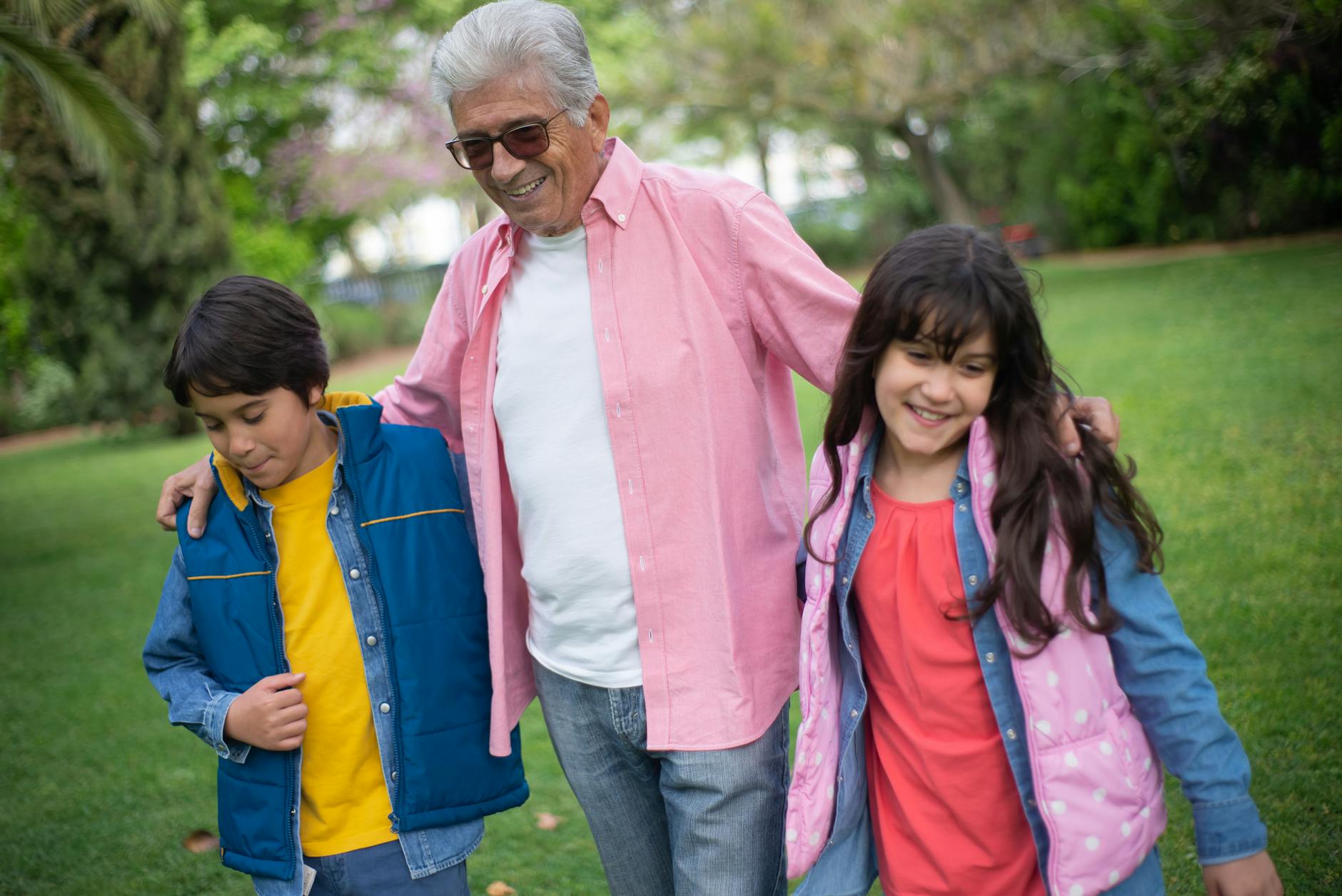
Recognizing changes in behavior grandchildren experience during divorce can be a challenging yet essential task for grandparents. As family dynamics shift, grandchildren may display various behavioral signs kids divorce, indicating their emotional turmoil. It’s crucial to be vigilant and sensitive to these changes, as they can manifest in different ways, from withdrawal to anger. This article will guide you through the steps necessary to support your grandchildren during this difficult time. First, we will delve into the importance of observing behavioral signs in your grandchildren during divorce. Next, we’ll discuss the value of open communication and the need for recognizing distress in children during divorce. We’ll then explore ways to provide support during this transition and when to seek professional help if necessary. By enhancing your grandparent observation skills, you can play a pivotal role in helping your grandchildren navigate the complexities of divorce. For further insights, consider reading resources from the American Psychological Association and National Council on Family Relations.
Understanding Changes in Behavior of Grandchildren During Divorce
Divorce can be a tumultuous time for families, especially for grandchildren who may not fully understand the situation. Recognizing the changes in behavior grandchildren experience during divorce is crucial for providing the support they need. This section outlines the signs to observe and emphasizes the importance of grandparent observation skills.
Signs of Behavioral Changes
- Observe Withdrawal: Look for signs of your grandchild becoming more withdrawn. They may spend more time alone or show a lack of interest in activities they once enjoyed.
- Notice Aggression: Be aware of any sudden outbursts or aggressive behavior. These can be a reaction to the stress of the divorce.
- Monitor Changes in Sleep Patterns: Pay attention to any difficulties they may have with sleeping, such as trouble falling asleep or frequent nightmares, which can indicate emotional distress.
- Watch for Changes in Academic Performance: If your grandchild’s grades begin to slip, it may signal that they are struggling to cope with the changes in their family life.
- Recognize Distress: Look for physical signs of distress, such as headaches or stomachaches, which can manifest when kids experience emotional turmoil.
These behavioral signs kids face during divorce can help you gauge their emotional state and determine when to intervene or seek additional support.
Importance of Grandparent Observation Skills
To effectively recognize the distress children experience during divorce, it is essential to hone your grandparent observation skills. By being attuned to your grandchild’s behavior and emotional shifts, you can identify subtle changes before they escalate. Here are some steps to enhance your observation skills:
- Engage in Conversations: Regularly talk to your grandchild about their feelings and experiences. Open communication is key to understanding their emotional state.
- Spend Quality Time Together: Participate in activities they enjoy to build rapport. This can help them feel comfortable expressing themselves.
- Document Changes: Keep a journal of observed behaviors over time. This can help you identify patterns or significant changes in their behavior.
By developing these skills, you can better support your grandchildren through the changes they face during divorce. Understanding the changes in behavior grandchildren experience can lead to meaningful interventions and a more supportive environment. Creating a Safe Space for Your Grandchildren’s Feelings
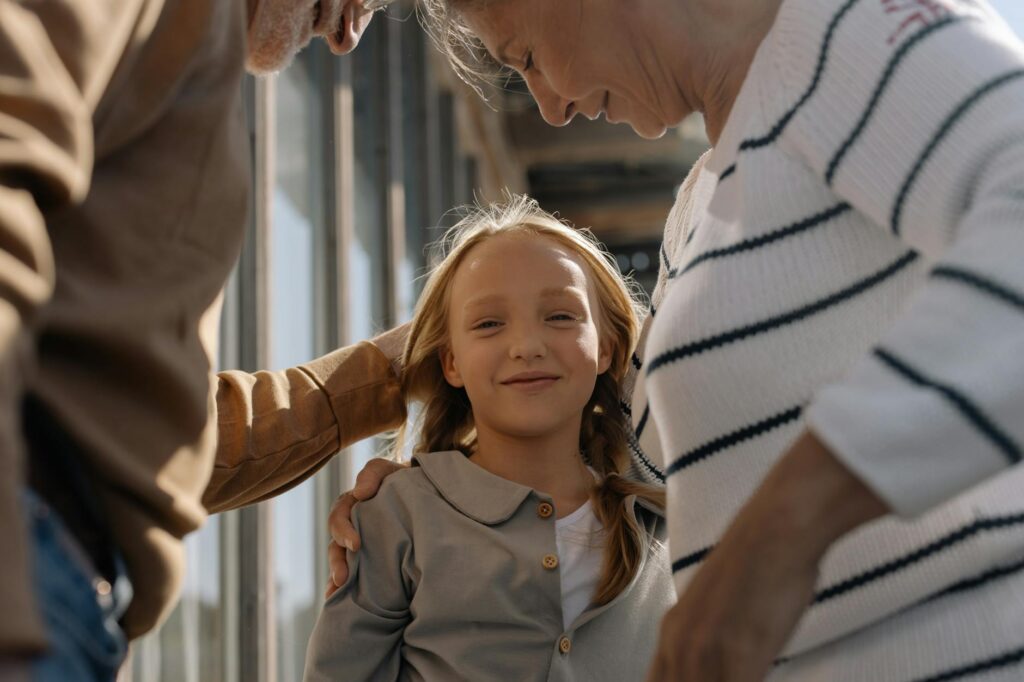
Step 1: Observe Behavioral Signs in Your Grandchildren During Divorce
Recognizing changes in behavior grandchildren divorce can be crucial for understanding how they are coping during this challenging time. As a grandparent, your keen observation skills can help you identify signs of emotional distress in your grandchildren. Follow these steps to effectively monitor their behavior.
Look for Withdrawal or Isolation
Notice if your grandchildren are becoming more withdrawn or isolating themselves from friends and family. Behavioral signs kids divorce may include:
- Avoiding social interactions, such as playdates or family gatherings.
- Spending excessive time alone in their room or engaging in solitary activities.
- Declining invitations they would normally accept.
These changes can indicate that your grandchildren are struggling to process their emotions. It is essential to approach them gently and offer your support. Ask open-ended questions about how they are feeling, and let them know it’s okay to express their feelings.
Notice Changes in Academic Performance
Monitor any shifts in your grandchildren’s academic performance. A drop in grades, incomplete homework, or lack of interest in school can be signs of distress. Recognizing distress children divorce may involve:
- Noticing a sudden lack of motivation to participate in classroom activities.
- Receiving reports from teachers about declining performance.
- Seeing changes in their enthusiasm towards subjects they once enjoyed.
These changes can signal that your grandchildren are experiencing emotional turmoil due to the divorce. Engage with them about their school life and encourage open communication. Your support can make a significant difference in their coping process.
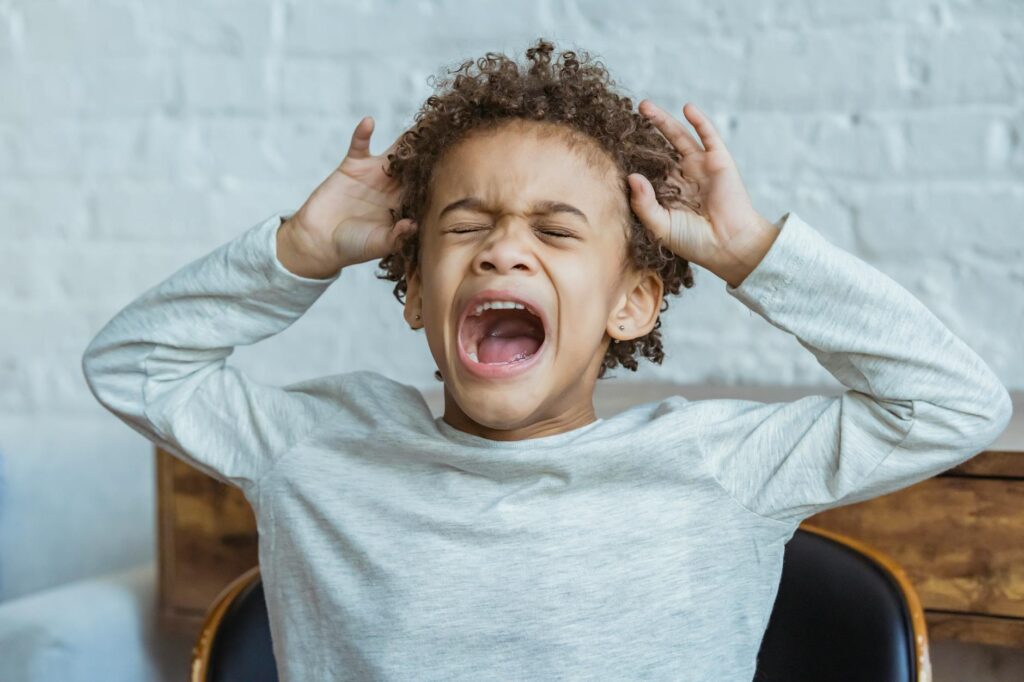
By closely observing these behavioral signs, you can be an important source of support for your grandchildren during this difficult time. Stay alert and proactive in your approach to help them navigate their feelings and experiences.
Step 2: Communicate Openly with Your Grandchildren
Foster a Safe Environment for Dialogue
To effectively address the changes behavior grandchildren divorce, create a comfortable and inviting space for conversation. This can be a cozy corner of your home or a favorite park bench. Ensure that your grandchildren feel safe and loved during these discussions. Here’s how:
- Set aside dedicated time for one-on-one conversations. This shows your grandchildren that you value their feelings.
- Encourage them to express themselves by asking open-ended questions like, “How do you feel about what’s happening at home?”
- Listen actively. Nod, maintain eye contact, and respond with empathy to demonstrate that their feelings are valid.
Recognizing distress in children during a divorce is crucial. Look for behavioral signs such as withdrawal, anger, or changes in sleep patterns. These can signal that your grandchildren are struggling.
Use Age-Appropriate Language
When discussing sensitive topics related to divorce, tailor your language to your grandchildren’s age and comprehension level. This encourages open dialogue and helps them articulate their feelings. Here are some tips:
- For younger children, use simple phrases like, “Sometimes grown-ups have problems and need to live apart.”
- For older children, engage in deeper discussions by asking, “What do you think about the changes happening in our family?”
- Be patient and allow them to express confusion or concerns. Validate their emotions by saying, “It’s okay to feel upset or confused.”
Utilizing your grandparent observation skills can help you pick up on unspoken cues and adjust your approach accordingly. By fostering an open dialogue, you can better navigate the changes behavior grandchildren divorce may bring and support them through this challenging time.
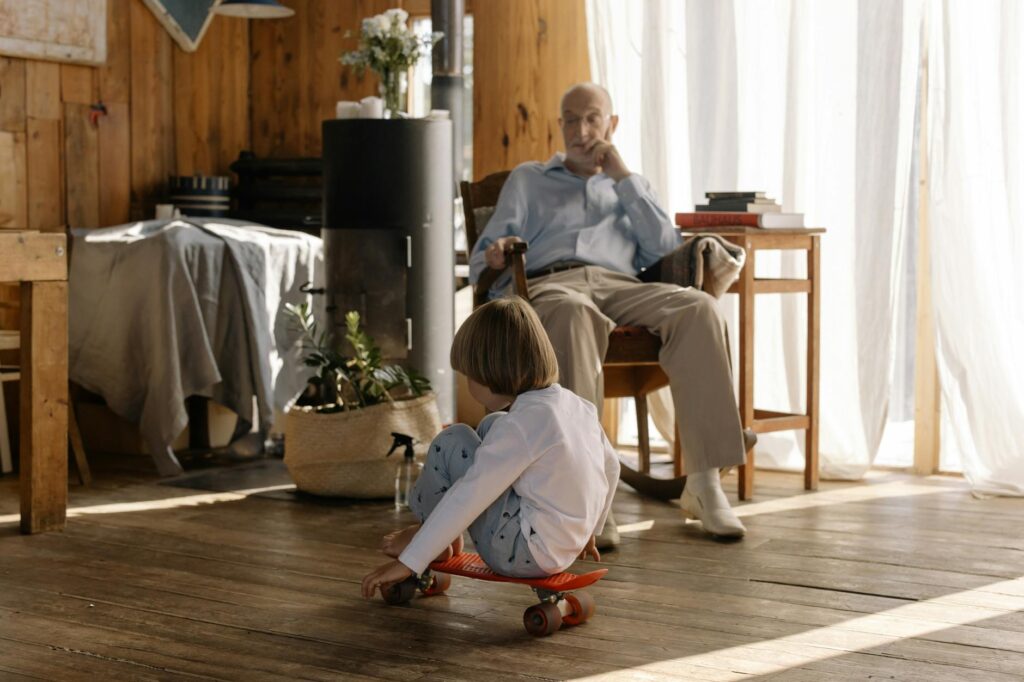
Step 3: Recognize Distress in Children During Divorce
Recognizing distress in children during divorce is crucial for grandparents who want to support their grandchildren effectively. Children often exhibit changes in behavior that can signal emotional turmoil. Follow these steps to identify and understand these signs.
Identify Physical Signs of Stress
- Observe for common physical complaints. Look for signs such as stomachaches, headaches, or fatigue, which may indicate stress. Many children experience these symptoms when they are struggling emotionally.
- Monitor their eating and sleeping patterns. Changes in appetite or sleep disturbances can also signal distress. If your grandchild suddenly refuses food or has trouble sleeping, it could be a reaction to the ongoing changes in the family dynamic.
- Encourage open conversations. Create a safe space for your grandchild to express their feelings. Let them know that it’s okay to talk about their experiences and emotions. This can help you identify any underlying issues related to the divorce.
Look for Changes in Relationships with Peers
- Notice shifts in social interactions. A child going through a divorce may withdraw from friends or exhibit irritability towards peers. This change can be a significant behavioral sign of kids dealing with divorce.
- Encourage socialization. Help your grandchild maintain friendships by facilitating playdates or group activities. Positive interactions can mitigate feelings of isolation that often accompany divorce.
- Stay informed about their social environment. Communicate with their parents and teachers to gather insights into their social behavior. This collaboration can enhance your grandparent observation skills.
By closely monitoring these physical signs and relationship dynamics, you can better understand the changes in behavior your grandchildren exhibit during divorce. Your awareness and support can make a significant difference in their emotional well-being.
Step 4: Support Your Grandchildren Through the Transition
As your grandchildren navigate the emotional turbulence of divorce, your support can be a beacon of stability. Recognizing the changes in behavior grandchildren experience during a divorce can help you provide the necessary guidance and assistance. Here’s how to effectively support them:
Encourage Healthy Coping Mechanisms
Help your grandchildren develop healthy ways to cope with their feelings. Encourage them to engage in activities that they enjoy and that can serve as emotional outlets. Here are some ideas:
- Sports: Getting involved in physical activities can help release pent-up emotions and foster teamwork.
- Arts and Crafts: Creative expression through art can be therapeutic and provide a way to process their feelings.
- Music: Learning an instrument or participating in music can offer a comforting escape.
By promoting these activities, you help them channel their emotions positively. Look for resources that discuss additional coping strategies, as they can provide further insights into recognizing distress in children during a divorce.
Stay Involved in Their Lives
Your presence matters. Make a conscious effort to stay actively involved in their lives. Regularly check in on how they are feeling and provide a listening ear. This can help them feel less isolated and more supported. Utilize your grandparent observation skills to identify any subtle changes in their behavior. If you notice signs of distress, encourage open dialogue about their feelings and reassure them that it is normal to feel upset during this time.
Participate in family activities or plan outings that allow you to bond. This not only strengthens your relationship but also provides them with a sense of normalcy amidst the chaos. The more you engage, the easier it will be to recognize behavioral signs kids show during divorce, allowing you to intervene when necessary.
Supporting your grandchildren through this transition is crucial in helping them cope with the changes they are experiencing. By encouraging healthy coping mechanisms and staying involved in their lives, you can play an instrumental role in their emotional recovery.
Step 5: Seek Professional Help if Necessary
Recognizing distress in children during a divorce can be challenging. If you notice significant changes in your grandchildren’s behavior, it may be time to consider professional support. Here’s how to navigate this crucial step.
When to Consider Professional Support
Monitor your grandchildren for specific behavioral signs indicative of distress. Look for:
- Increased withdrawal from social interactions
- Changes in academic performance
- Outbursts of anger or sadness
- Regressive behaviors, such as bedwetting or thumb-sucking
If these changes persist and significantly impact their daily life, it’s essential to seek support. Utilizing your grandparent observation skills can help determine whether these changes signal deeper issues. Addressing emotional or psychological concerns early can lead to a healthier adjustment process.
Resources for Finding Help
Finding the right support can make a difference in your grandchildren’s lives. Here are some resources to consider:
- MentalHealth.gov – Offers resources on mental health issues.
- American Psychological Association – Provides insights into children’s reactions to divorce.
- National Association of School Psychologists – Lists mental health resources for children.
Engaging with a licensed therapist who specializes in childhood trauma or divorce can be beneficial. They can provide tailored strategies for coping with changes in behavior during this tumultuous time.
Recognizing distress in children during a divorce is crucial for their emotional well-being. Taking action by seeking professional help can lead to healthier outcomes for your grandchildren.
Recognizing changes in behavior in grandchildren during divorce can significantly impact their well-being. As grandparents, your observation skills are vital in identifying the subtle behavioral signs kids exhibit during such challenging times. By being attuned to these changes, you can offer the support and love they need to navigate their emotions effectively. Pay attention to shifts in their mood, social interactions, and daily routines, which may indicate distress.
When recognizing distress in children during divorce, open communication is essential. Encourage your grandchildren to express their feelings openly, creating a safe space for them to share their thoughts and concerns. By fostering this environment, you not only help them cope but also strengthen your bond. As you observe and respond to their needs, remember that your involvement can make a world of difference in their adjustment process. Consider reaching out to professionals if needed, ensuring that your grandchildren receive the best support possible.
“`html
What are common behavioral signs kids show during divorce?
Common behavioral signs that children may exhibit during a divorce include increased anxiety, withdrawal from social interactions, changes in academic performance, and regressive behaviors, such as bedwetting. They may also express anger or frustration more frequently, experience mood swings, or show changes in sleep patterns. Recognizing these signs is crucial for understanding how the divorce is impacting your grandchildren and can help guide your support efforts.
How can I recognize distress in children during a divorce?
Recognizing distress in children during a divorce involves observing their emotional and behavioral changes. Look for signs such as increased clinginess, changes in appetite, or difficulty concentrating. They may express feelings of sadness or confusion and may verbalize fears about the future. Being attentive to these indicators is essential for understanding their emotional state and supporting their well-being during this challenging time.
What should I do if I notice behavioral changes in my grandchildren?
If you notice behavioral changes in your grandchildren, it is important to engage them in open and supportive conversations. Ask them how they are feeling and listen without judgment. Encourage them to express their thoughts and emotions. Additionally, maintaining routines can provide stability. If the changes persist or worsen, consider discussing your observations with their parents or suggesting professional help, as addressing changes in behavior grandchildren divorce is crucial for their emotional health.
How can I support my grandchildren emotionally during their parents’ divorce?
Supporting your grandchildren emotionally during their parents’ divorce involves providing a safe space for them to express their feelings. Be a good listener and validate their emotions without offering solutions unless asked. Engage in activities they enjoy to create positive experiences and provide distraction from stress. Consistent reassurance and love are vital. Let them know that both parents still love them, and remind them that it is okay to feel a range of emotions during this time.
What role can grandparents play in helping grandchildren cope with divorce?
Grandparents can play a crucial role in helping their grandchildren cope with divorce by offering emotional support and stability. They can provide a listening ear, help maintain routines, and offer a sense of continuity in their lives. Additionally, grandparents can act as a buffer, helping to facilitate communication between the children and their parents. By being present and attentive, grandparents can help their grandchildren feel secure and loved during this transitional period.
When should I seek professional help for my grandchildren’s behavior?
Professional help should be considered if your grandchildren’s behavioral changes are persistent, severe, or negatively impacting their daily life. Signs may include extreme anxiety, depression, withdrawal from friends, or a sudden drop in academic performance. If you feel overwhelmed or unsure how to support them effectively, consulting a child psychologist or counselor can provide guidance and resources tailored to their needs. Early intervention can be impactful in addressing changes behavior grandchildren divorce.
“`