
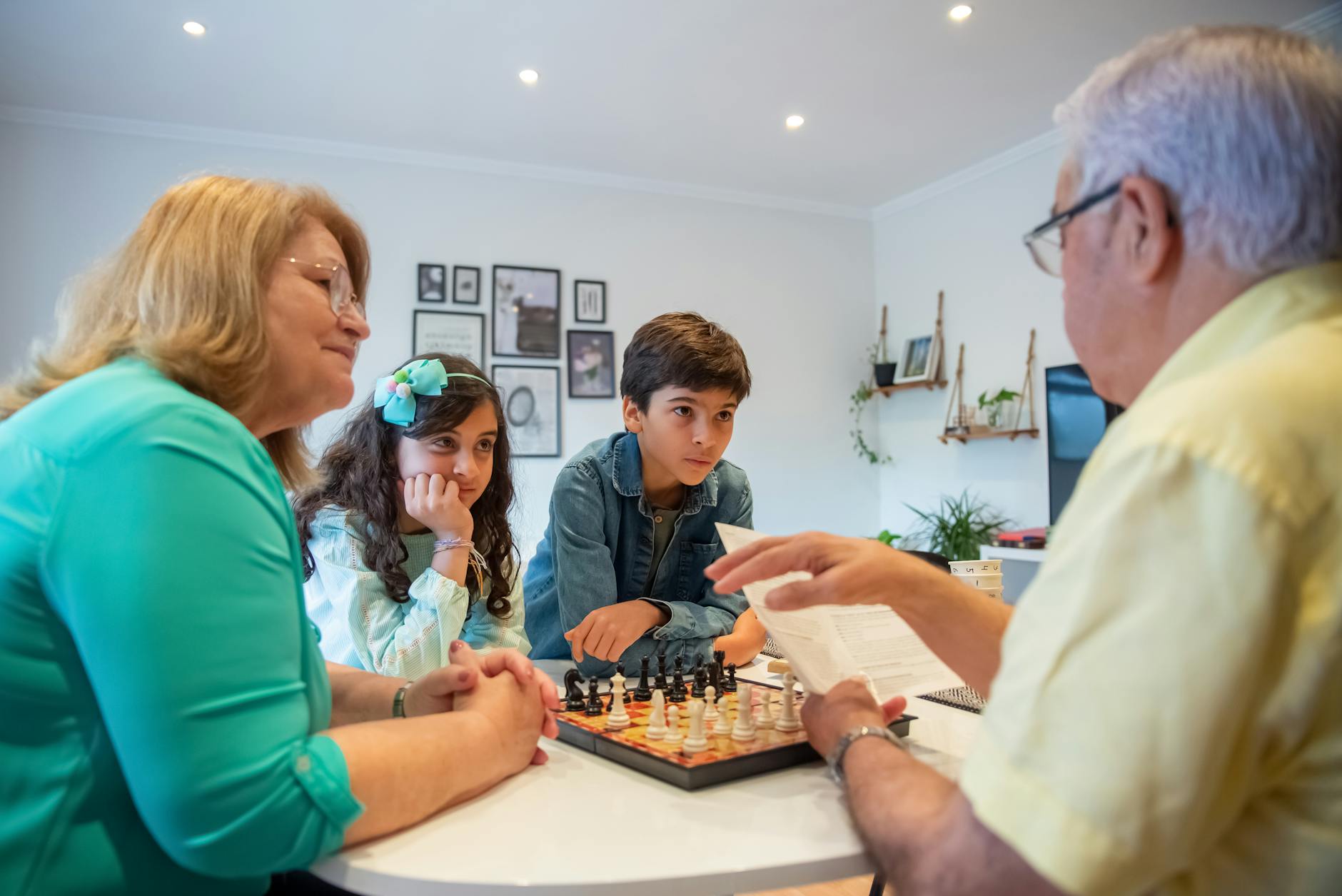
Fostering open dialogue with grandchildren about divorce is essential in today’s family dynamics. As a grandparent, your role can be pivotal in helping your grandchildren navigate the emotional complexities of divorce. This article serves as a guide to effectively communicate about divorce in a way that is sensitive and supportive. We will explore a step-by-step approach to communicating about divorce, offering grandparent dialogue tips that can enhance your conversations. Additionally, you will find practical advice on supporting kids through divorce, ensuring that they feel heard and understood. It is crucial to follow up with your grandchildren, keeping the conversation going as they process their feelings. By creating a safe space for discussion, you help your grandchildren develop resilience and coping skills during this challenging time. For more insights on supporting children, visit American Psychological Association and learn about the emotional impact of divorce on children.
Ways to Foster Open Dialogue With Your Grandchildren About Divorce
Fostering open dialogue with your grandchildren about divorce is crucial for their emotional well-being. By encouraging communication and understanding, you can help them navigate their feelings during this challenging time. Here’s how to create an effective approach.
Understand Their Feelings and Concerns
- Recognize Emotions: Pay attention to your grandchildren’s verbal and non-verbal cues. Children may express confusion, anger, or sadness about the divorce. Acknowledge these feelings as valid and important.
- Encourage Expression: Prompt them to share their thoughts and worries. Ask open-ended questions like, “What do you think about what’s happening?” or “How does this make you feel?” This can help in communicating about divorce more effectively.
- Validate Their Feelings: Let them know it’s okay to feel upset or confused. Say things like, “I understand this is tough for you,” to reinforce that their emotions are recognized and accepted.
Create a Safe Space for Discussion and Open Dialogue About Grandchildren Divorce
- Establish Comfort: Choose a familiar and comfortable environment for discussions. This could be during a casual outing or at home. A relaxed setting encourages openness.
- Listen Actively: Show that you are fully present during conversations. Maintain eye contact, nod, and respond appropriately to their comments. This demonstrates your support and willingness to engage.
- Encourage Ongoing Communication: Let your grandchildren know that they can talk to you anytime about their feelings regarding the divorce. Reinforce that your door is always open for discussions.
By following these grandparent dialogue tips, you can help your grandchildren feel supported and understood during this transition. Remember, your active listening and validation of their feelings are key to supporting kids through divorce effectively.

Communicating About Divorce: Step-by-Step Approach
Choose the Right Time and Place
Establish a comfortable setting to foster open dialogue with grandchildren about divorce. Follow these steps:
- Select a quiet environment: Choose a location free from distractions, such as a cozy living room or a peaceful park.
- Pick an appropriate time: Ensure that the conversation occurs at a time when your grandchildren are relaxed and receptive, ideally when they are not preoccupied with school or activities.
- Set the tone: Approach the conversation with a calm demeanor. Your body language and tone should convey warmth and understanding to make them feel safe sharing their feelings.
By carefully considering the timing and setting, you create a conducive atmosphere for your grandchildren to express their thoughts and emotions about the divorce. This is a key aspect of supporting kids through divorce.
Use Age-Appropriate Language for Open Dialogue About Grandchildren and Divorce
When discussing divorce, tailor your language to suit the age and understanding of your grandchildren. Follow these tips:
- For younger children (ages 4-7): Use simple and clear phrases such as, “Sometimes adults decide to live apart, but we still love you very much.”
- For middle childhood (ages 8-12): Explain the situation more fully, stating, “Mom and Dad are going to live in different homes. It’s okay to feel sad and confused about this.”
- For teenagers (ages 13 and up): Engage them in a more open dialogue by saying, “I know this is tough for everyone. How are you feeling about the changes? Your feelings are important.”
Using age-appropriate language ensures effective communication about divorce, allowing your grandchildren to understand the situation while feeling heard and supported. This approach aligns with grandparent dialogue tips that emphasize empathy and clarity.

Ultimately, these steps will help you establish an open dialogue with your grandchildren regarding divorce, creating a supportive environment that encourages them to share their feelings. For more on effective communication strategies, consider How Grandparents Help Grandchildren Cope With Divorce Anxiety.
Grandparent Dialogue Tips for Discussing Divorce
Encourage Questions and Curiosity
Foster open dialogue with grandchildren about divorce by actively inviting them to ask questions. Start the conversation with open-ended prompts like, “What do you think about what’s happening?” or “How are you feeling about the changes?” This approach helps children express their feelings and thoughts, allowing you to address any misconceptions they may have.
Additionally, let them know that no question is too silly or inappropriate. Reinforce their curiosity by responding with patience and understanding. If they seem hesitant, share a simple, relatable story about a change you experienced, which may encourage them to share their feelings. Remember, the goal is to create a safe space for them to express their emotions and thoughts regarding the divorce.
Share Your Own Experiences
When communicating about divorce, consider sharing age-appropriate personal experiences related to change and resilience. This can help children relate to your perspective and feel less isolated in their feelings. For instance, you might recount a time when you had to adapt to a significant change in your life, such as moving to a new city or changing schools.
Make it clear that while challenges are a part of life, it is possible to overcome them. By sharing your own stories, you demonstrate strength and resilience, reinforcing the idea that it is okay to feel sad or confused. This not only strengthens your bond but also equips them with the tools to navigate their own emotions during this difficult time.
using these grandparent dialogue tips will help you facilitate meaningful conversations. Ensure that you maintain an open line of communication, thereby supporting kids through divorce and helping them process their emotions more effectively. Together, you can establish a foundation of trust and understanding, paving the way for healing.
By implementing these techniques, you will enhance your ability to engage in open dialogue with your grandchildren about divorce, making a significant difference in their emotional well-being.
Supporting Kids Through Divorce: Actions You Can Take
Offer Reassurance and Stability
To foster open dialogue with your grandchildren about divorce, begin by offering them emotional reassurance. Here are steps to achieve this:
- Listen Actively: Create a safe space for your grandchildren to express their feelings. Use phrases like, “I’m here for you” or “It’s okay to feel sad.”
- Provide Consistency: Maintain regular activities and routines. This stability can help reassure them that some aspects of their life remain unchanged.
- Share Positive Memories: Remind them of the good times spent with both parents. This will help them feel connected to their family, despite the changes.
- Encourage Expression: Use books or art to help them express their feelings about the divorce. This can facilitate healthy communication and understanding.
These actions are vital in supporting kids through divorce, as they help your grandchildren feel loved and secure during a turbulent time. For additional strategies, consider exploring Signs Your Grandchildren Need Support During Divorce.
Remain Neutral and Avoid Blame
When discussing the divorce, it’s essential to remain neutral. Here’s how you can do this:
- Avoid Negative Comments: Refrain from speaking negatively about their parents. This can create unnecessary tension and confusion.
- Focus on the Child: Shift conversations back to how they are feeling rather than discussing the reasons for the divorce.
- Be Honest but Gentle: If they ask questions, provide age-appropriate answers without placing blame on either parent.
By following these grandparent dialogue tips, you enable your grandchildren to process their emotions without feeling caught in the middle. This approach is crucial in maintaining trust and encouraging an open dialogue with grandchildren about divorce.

Follow Up and Keep the Conversation Going
Fostering open dialogue with grandchildren about divorce is not a one-time conversation; it requires ongoing engagement. As feelings and situations evolve, so does the need for regular communication. Here’s how to ensure your dialogue remains supportive and effective.
1. Regular Check-Ins
Establish a routine for checking in with your grandchildren. This can be weekly, bi-weekly, or whatever schedule feels comfortable for both you and them. Regular check-ins help reinforce that you are there for them, making them feel secure during a challenging time.
- Choose the Right Setting: Opt for a relaxed environment where your grandchildren can express themselves freely. A quiet park or a cozy corner at home can be ideal.
- Ask Open-Ended Questions: Encourage them to share their thoughts and feelings. For example, ask, “How have you been feeling about everything lately?” This invites deeper conversation.
- Listen Actively: Make sure to listen without interrupting. Acknowledge their feelings and validate their experiences, which helps build trust.
2. Be Open to Future Discussions about Open Dialogue Grandchildren Divorce
Understand that your grandchildren may not express everything in one conversation. Be open to revisiting the topic as their feelings evolve. You can say things like, “If you ever want to talk again about what’s happening, I’m here to listen.” This reassures them that their feelings are important to you.
- Monitor Changes: Pay attention to their behavior and mood changes. If they seem withdrawn or upset, it may indicate they need to talk.
- Encourage Expression: Suggest creative outlets like drawing or writing to help them articulate their feelings if they’re not ready for a direct conversation.
- Utilize Resources: Consider sharing child-friendly resources about divorce that may resonate with them. Stability for Grandchildren During Divorce.
Remember, supporting kids through divorce means being patient and present. Your commitment to maintaining an open dialogue about divorce will help your grandchildren navigate their feelings and foster a stronger bond with you.

Encouraging open dialogue with grandchildren about divorce can play a pivotal role in their emotional well-being. By creating a safe space for discussing feelings, grandparents can help their grandchildren navigate the complexities of family changes. Utilizing effective grandparent dialogue tips can aid in ensuring that conversations are supportive and constructive. Remember, communicating about divorce should be age-appropriate and sensitive to each child’s unique perspective and needs.
As you engage in these conversations, focus on listening and validating their feelings. This approach not only strengthens your bond but also helps in supporting kids through divorce. A great next step is to set aside regular times for these discussions, allowing your grandchildren to express themselves freely. By fostering open dialogue about divorce, you contribute significantly to their emotional resilience and stability during challenging times.
“`html
How can I talk to my grandchildren about their parents’ divorce?
Talking to your grandchildren about their parents’ divorce requires sensitivity and openness. Start by creating a safe environment where they feel comfortable expressing their thoughts. Use age-appropriate language and be honest, yet gentle. Encourage questions and listen actively to their concerns. It’s important to acknowledge their feelings and reassure them that both parents still love them. This approach fosters an open dialogue about grandchildren and divorce, helping them process the situation more effectively.
What are some tips for communicating about divorce with kids?
Effective communication about divorce with kids involves being clear and compassionate. Choose a quiet time to talk and use simple, direct language. Avoid placing blame on either parent, as this can confuse children. Encourage them to share their feelings, and validate those emotions. Use stories or examples they can relate to, and check in with them regularly to see how they are feeling. These grandparent dialogue tips can help maintain a supportive connection during this challenging time.
How do I support my grandchildren through their parents’ divorce?
Supporting kids through divorce involves being a stable presence in their lives. Spend quality time together and engage in activities they enjoy. Let them know that it is okay to feel sad or confused and encourage open discussions about their feelings. Maintain regular communication with their parents to stay informed about their emotional state and needs. Your reassurance and love play a crucial role in helping them navigate this difficult transition.
What should I avoid saying when discussing divorce with grandchildren?
Avoid negative comments about either parent when discussing divorce with your grandchildren. Criticizing one parent can make them feel torn and guilty. Steer clear of using adult language or concepts that may be confusing. Also, don’t make promises you cannot keep, such as stating everything will be okay without acknowledging their feelings. Instead, focus on reassurance and understanding to foster a healthier dialogue about this sensitive topic.
How can I encourage my grandchildren to express their feelings about divorce?
Encouraging your grandchildren to express their feelings about divorce involves creating a safe space for them to share. Ask open-ended questions that prompt them to talk about their emotions, like “How do you feel about what’s happening?” Use art, play, or storytelling as tools for them to express themselves. Remind them that it is normal to feel a range of emotions. When you listen without judgment, it helps them feel heard and understood.
What resources are available for grandparents navigating family divorce?
Many resources are available to help grandparents navigate family divorce. Organizations like Grandparents.com offer articles and support groups. Additionally, community centers often provide workshops and counseling services. Books and guides on divorce can also provide insights into how to communicate effectively and support your grandchildren. Utilizing these resources can strengthen your ability to foster open dialogue about grandchildren and divorce.
“`