
Recognizing the signs grandchildren need support during divorce is crucial for grandparents wanting to provide the best possible care for their family. Divorce can be a tumultuous experience, not just for the parents involved but also for the children who are often caught in the crossfire. Understanding emotional distress in grandchildren can be challenging, but it is essential to identify the children divorce signs that indicate they may be struggling. This article outlines a step-by-step guide to recognizing emotional signs kids experience during divorce, including behavioral changes and social withdrawal. We will explore how to offer support effectively when you notice these signs and discuss the long-term impacts of divorce on your grandchildren. By being proactive, you can help foster resilience and emotional well-being in their lives. Join us as we delve into the signs your grandchildren may need support and how you can be there for them during this difficult time.
Recognizing the Signs Grandchildren Need Support During Divorce
Divorce can be an overwhelming experience for children, and as a grandparent, it is your role to be vigilant in recognizing the signs grandchildren need support during divorce. Understanding emotional distress is crucial to ensuring their well-being and helping them navigate this challenging time.
Understanding Emotional Distress
Children often struggle to articulate their feelings during a divorce, which can lead to emotional confusion and distress. It is essential to remain observant and attentive to any changes in behavior. If your grandchild seems more anxious, irritable, or withdrawn than usual, these could be symptoms of emotional distress. Research shows that children of divorced parents are at a higher risk of experiencing anxiety and depression (American Psychological Association).
Common Children Divorce Signs
Recognizing the emotional signs kids divorce can manifest in various ways. Below are some common children divorce signs to watch for:
- Behavioral Changes: Notice any sudden changes in behavior such as increased tantrums, defiance, or aggression.
- Withdrawal: Pay attention if your grandchild becomes socially withdrawn or avoids activities they once enjoyed.
- Academic Struggles: Declines in academic performance or lack of interest in schoolwork may signal emotional distress.
- Physical Symptoms: Look for unexplained headaches, stomachaches, or sleep disturbances, which can indicate stress.
Being proactive can make a significant difference in your grandchild’s adjustment. Encourage open communication and create a safe space where they can express their thoughts and feelings without fear of judgment. A study from NIH highlights the importance of supportive family relationships in mitigating the negative effects of divorce.
By recognizing these signs, you can better support your grandchildren through this difficult transition, ensuring they feel loved and understood. Your involvement can serve as a stabilizing force in their lives during a time that may feel anything but stable.
Step-by-Step Guide to Identifying Emotional Signs Kids Experience During Divorce
Recognizing the signs grandchildren need support divorce can be crucial for their emotional well-being during such a challenging time. Use this step-by-step guide to identify the emotional signs kids may display during divorce.
Step 1: Observe Changes in Behavior
Pay attention to any noticeable changes in your grandchildren’s behavior. Look for:
- Increased irritability or mood swings
- Loss of interest in activities they once enjoyed
- Changes in sleeping or eating patterns
For example, a child who once loved playing soccer may suddenly refuse to participate in games. Such changes can be children divorce signs that indicate emotional distress.
Step 2: Look for Withdrawal or Isolation
Notice if your grandchildren start isolating themselves from friends and family. Signs to look for include:
- Spending excessive time alone in their room
- Avoiding social interactions or playdates
- Not engaging in family activities
This withdrawal can be a clear indication of recognizing emotional distress during the divorce process.
Step 3: Monitor Academic Performance
Keep an eye on their academic performance as well. Look for:
- Declines in grades or test scores
- Increased absenteeism or tardiness
- Disinterest in school or homework
A drop in academic performance can be one of the emotional signs kids exhibit during divorce. If you notice these changes, consider discussing them with their teachers or school counselor.
Step 4: Pay Attention to Emotional Outbursts
Be alert for any emotional outbursts, which may manifest as:
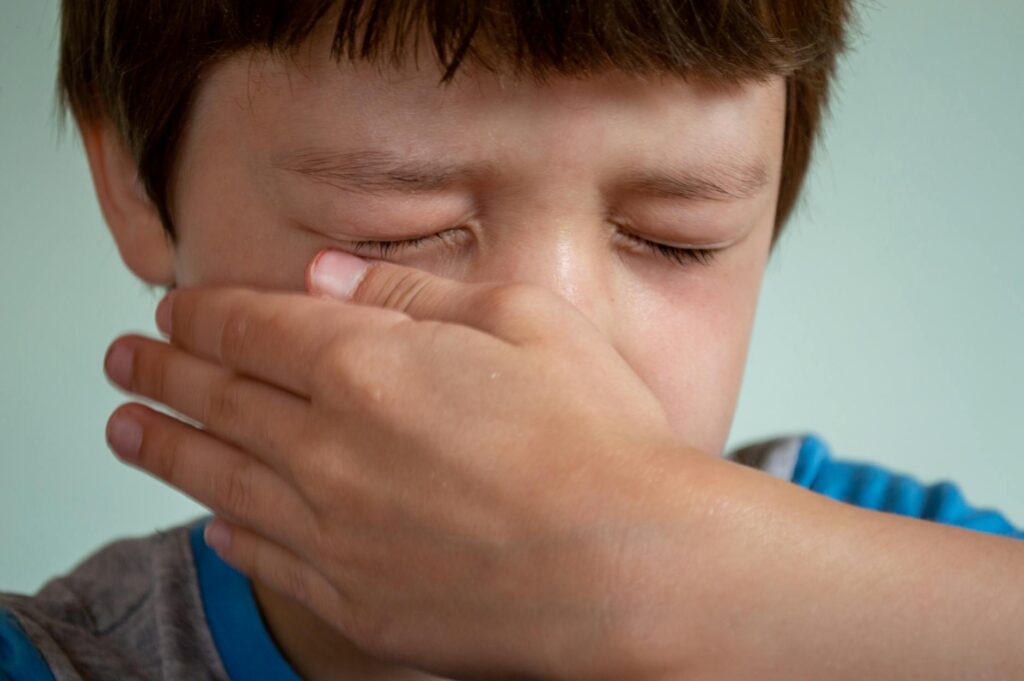
- Crying spells or tantrums
- Anger directed toward family members or peers
- Expressions of fear or anxiety about the future
These emotional outbursts can serve as significant indicators of how your grandchild is coping with the changes in their family dynamics. Such behaviors often align with the emotional signs kids divorce experience.
By following these steps, you can better identify the signs grandchildren need support divorce and take appropriate actions to help them navigate this difficult time. For additional resources on behavioral signs and emotional health, consider reaching out to child psychologists or family counseling services. Emotional Needs of Grandchildren Facing Divorce
How to Offer Support When You Recognize Signs Grandchildren Need Support During Divorce
When you identify the signs grandchildren need support divorce, it’s crucial to take proactive steps to offer your help. Here’s a structured approach to provide meaningful emotional support to your grandchildren during this challenging time.
Creating a Safe Space for Communication
- Choose the Right Environment: Select a quiet, comfortable place where your grandchildren feel at ease. This setting should encourage open dialogue without distractions.
- Ask Open-Ended Questions: Initiate conversations by asking questions that invite them to share their feelings, such as “How are you feeling about everything that’s happening?”
- Listen Actively: Show genuine interest in their responses. Use body language and verbal affirmations to demonstrate that you are engaged and supportive.
Encouraging Healthy Emotional Expression
Recognizing emotional distress in children can be challenging. Here are ways to help your grandchildren express their feelings:
- Promote Creative Outlets: Encourage them to draw, write, or engage in activities that allow for emotional expression. Art can be a powerful tool for processing feelings.
- Validate Their Emotions: Let them know it’s okay to feel sad, angry, or confused. Acknowledge their feelings without judgment to help them feel understood.
- Model Emotional Resilience: Share your feelings and coping strategies, demonstrating that it’s normal to experience a wide range of emotions during difficult times.
Seeking Professional Help When Necessary
If you notice persistent emotional signs kids experience during divorce, it may be time to consider professional support:
- Research Mental Health Resources: Look for child psychologists or counselors who specialize in family dynamics and divorce. Resources like the American Psychological Association can provide information on finding qualified professionals.
- Discuss Options Together: Talk to your grandchildren about the possibility of therapy. Frame it as a positive choice that can help them navigate their feelings.
- Follow Up: After they begin therapy, check in regularly to see how they are feeling about the process. Encourage ongoing dialogue about their experiences.
By following these steps, you can create a supportive environment for your grandchildren during a difficult time. Recognizing the children divorce signs early and acting on them can have a lasting impact on their emotional well-being.
The Long-Term Impact of Divorce on Grandchildren
Understanding Lasting Emotional Effects
Recognize that the signs grandchildren need support during divorce can manifest in varied emotional challenges. Research indicates that children of divorced parents often exhibit lasting emotional effects, including anxiety, depression, and difficulties in relationships. A study published in the Journal of Child Psychology and Psychiatry highlights that children from divorced families are at a higher risk of experiencing emotional distress throughout their lives.
- Observe behavioral changes in your grandchildren. Look for children divorce signs such as withdrawal, irritability, or sudden changes in academic performance.
- Recognize emotional distress by listening to their concerns and validating their feelings. Ensure they know it is acceptable to express their emotions about the divorce.
- Encourage open conversations about their feelings regarding the situation. This dialogue can help them process their experiences and feel supported.
Fostering Resilience in Children
To mitigate the long-term impacts of divorce, foster resilience in your grandchildren. Strong family connections and supportive relationships play a critical role in their emotional health. Studies suggest that children who maintain close ties with family members demonstrate better coping mechanisms and emotional stability.
- Create a stable routine that provides predictability and security during this transitional period.
- Encourage positive relationships with both parents, if possible, to ensure they feel loved and supported by all family members.
- Engage in activities that promote bonding, such as family gatherings or outings. These experiences reinforce the importance of support during difficult times.
- Monitor for emotional signs kids divorce might exhibit, such as changes in sleep patterns or increased aggression, and address these with care.
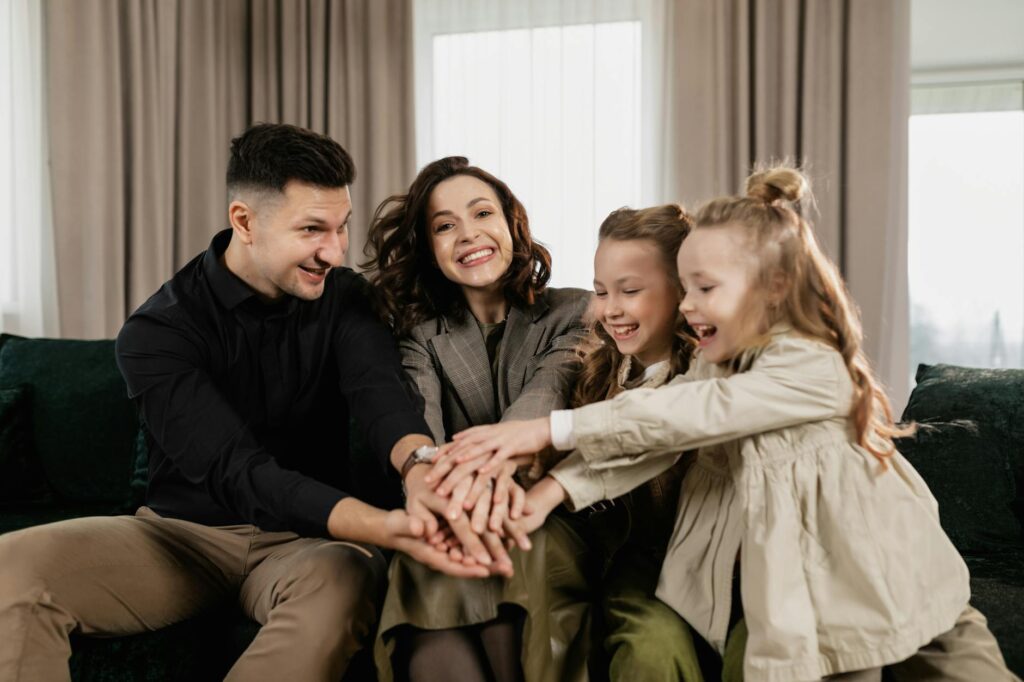
By embracing these strategies, you can significantly improve your grandchildren’s emotional resilience. Strengthening their support network will help them navigate this challenging time and emerge with healthier coping skills.
Conclusion: Being Proactive in Supporting Your Grandchildren
Recognizing the signs grandchildren need support during divorce is essential for fostering their emotional health and well-being. As a grandparent, your proactive involvement can play a crucial role in helping them navigate this challenging time. By understanding the emotional signs kids face during divorce, you can provide the necessary support that they may not be able to articulate themselves.
Steps to Support Your Grandchildren
- Observe Behavioral Changes: Pay close attention to any alterations in your grandchildren’s behavior. Look for signs such as withdrawal, irritability, or sudden changes in school performance, which may be indicators of recognizing emotional distress.
- Engage in Open Conversations: Create a safe space for your grandchildren to express their feelings. Ask open-ended questions about their thoughts and emotions regarding the divorce.
- Encourage Healthy Outlets: Promote activities that allow them to channel their feelings, such as art, sports, or writing. These activities can serve as therapeutic outlets for their emotions.
- Connect with Professionals: If you notice persistent distress, consider seeking help from a child counselor. Professional guidance can provide your grandchildren with coping strategies tailored to their specific needs. Support Your Grandchildren Emotionally During a Divorce
- Stay Involved: Maintain regular communication and spend quality time with your grandchildren. Your presence can provide the stability they need during this tumultuous period.
- Educate Yourself: Familiarize yourself with common children divorce signs and the emotional impacts of divorce. Understanding these aspects will enhance your ability to support them effectively.
By taking these proactive steps, you not only address the signs grandchildren need support during divorce but also empower them to cope with their emotions healthily. Your involvement can make a significant difference in their lives, helping them feel loved and secure amidst the changes. Remember, your role as a grandparent is invaluable in ensuring they do not navigate this journey alone.
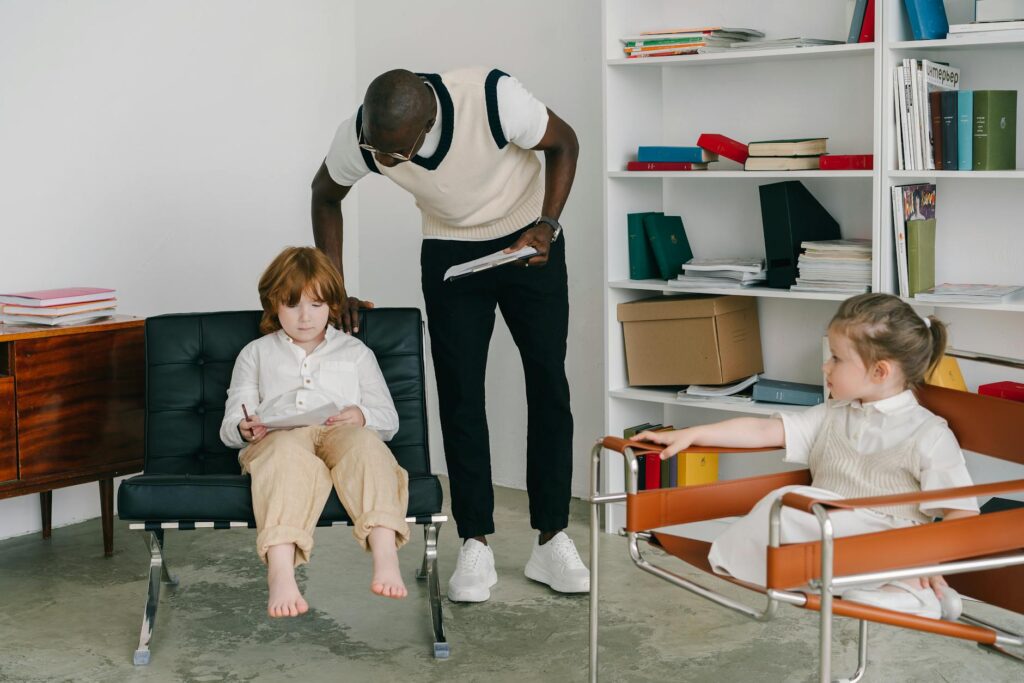
Recognizing emotional distress in your grandchildren is crucial during their parents’ divorce. If you notice children divorce signs such as increased sadness, withdrawal from activities, or changes in behavior, it may be time to step in and offer support. Understanding these emotional signs kids divorce can help you provide the care they need during this challenging time.
By staying observant and engaging them in open conversations, you can help your grandchildren navigate their feelings. Encourage them to express their emotions, and let them know they are not alone. If you suspect they need additional support, consider seeking the help of a family therapist to guide them through this transition. Taking this next step can make a significant difference in their emotional well-being.
“`html
What are the signs grandchildren need support during divorce?
Recognizing the signs grandchildren need support during divorce is crucial for their well-being. Look for changes in behavior such as withdrawal from family activities, sudden mood swings, or increased irritability. They may also express feelings of sadness or confusion about the situation. Additionally, physical symptoms like stomachaches or headaches can indicate emotional distress. If you notice these signs, it’s essential to provide a supportive environment and open lines of communication.
How can I recognize emotional distress in my grandchildren?
Recognizing emotional distress in grandchildren can involve paying attention to their behavior and communication. Signs may include an increase in anxiety or fearfulness, trouble sleeping, or difficulty concentrating on tasks. They may also become more clingy or, conversely, excessively independent. Changes in appetite or social withdrawal are also indicators. If you notice a combination of these signs, it may be time to engage them in conversation about their feelings.
What are common emotional signs kids show during divorce?
Emotional signs kids show during divorce often include sadness, anger, and confusion. They may express feelings of abandonment or guilt, believing they are somehow responsible for the divorce. Some children might exhibit regression, reverting to earlier behaviors such as bedwetting or baby talk. Others may become more aggressive or rebellious. Being aware of these emotional signs is vital for grandparents to provide the necessary support and reassurance during this challenging time.
How do I talk to my grandchildren about their feelings during a divorce?
Talking to your grandchildren about their feelings during a divorce requires sensitivity and openness. Create a safe space for them to express themselves without judgment. Ask open-ended questions such as “How are you feeling about everything?” or “What worries you the most?” Listen actively to their concerns and validate their emotions. It’s important to reassure them that their feelings are normal and that they can talk to you anytime they need support.
When should I seek professional help for my grandchildren?
Consider seeking professional help for your grandchildren if their emotional distress persists or worsens over time. Indicators that professional support may be needed include significant changes in behavior, prolonged sadness, or withdrawal from social activities. If they express self-harm thoughts or exhibit extreme anxiety, immediate intervention is essential. A child psychologist or counselor specializing in family issues can provide the tools and support necessary for healing.
What resources are available for children dealing with divorce?
Resources for children dealing with divorce can include therapy groups, counseling services, and educational materials tailored for kids. Many community organizations offer workshops and support groups focused on helping children navigate their feelings during divorce. Books and online resources can also provide guidance. Additionally, websites like KidsHealth offer valuable information for both children and caregivers, making the process less daunting.
“`