
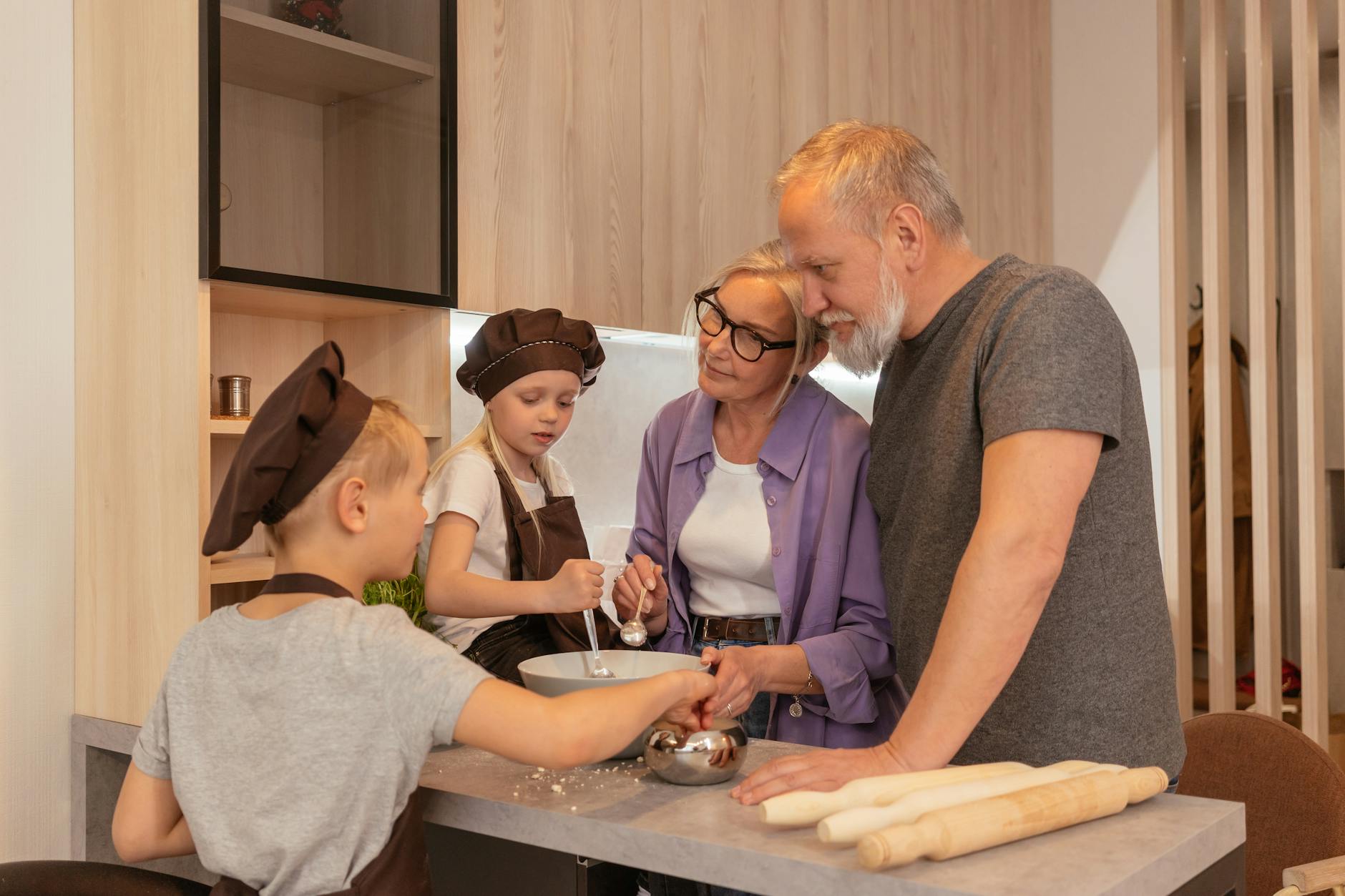
Grandparents help grandchildren cope with divorce anxiety in profound and meaningful ways. As families navigate the emotional turmoil of divorce, children often experience feelings of uncertainty and distress. Grandparents can step in as vital sources of support, providing a safe haven for grandchildren grappling with divorce anxiety in children. This article explores how grandparents can effectively assist their grandchildren through this challenging time, offering practical coping strategies for kids and highlighting the importance of grandparent support in managing anxiety. We will also discuss engaging activities that foster connection and provide guidance on recognizing the signs of divorce anxiety in children. By creating nurturing environments and encouraging open communication, grandparents play a crucial role in helping their grandchildren find stability and resilience during a significant life transition. For more insights into coping with anxiety, you can visit Psychology Today and Child Mind Institute.
How Grandparents Help Grandchildren Cope With Divorce-Related Anxiety
Understand the Impact of Divorce on Children
Recognize that divorce can lead to significant emotional and psychological effects, often resulting in divorce anxiety in children. Grandchildren may experience feelings of confusion, sadness, and fear about changes in their family dynamics. As a grandparent, it’s crucial to understand these impacts so you can provide effective support.
- Educate Yourself: Learn about the common reactions children have to divorce. Resources like the American Psychological Association can provide valuable insights.
- Observe Behavior: Pay attention to any signs of anxiety in your grandchildren, such as changes in sleeping patterns or reluctance to engage in activities they once enjoyed.
- Validate Their Feelings: Acknowledge that it’s normal for them to feel upset or anxious. This validation can ease their feelings of isolation.
Create a Safe Space for Open Communication
To effectively support your grandchildren during this challenging time, create an environment where they feel safe to express their feelings. This is essential as grandparents help grandchildren anxiety divorce by fostering open conversations.
- Encourage Dialogue: Invite your grandchildren to share their thoughts and feelings. Ask open-ended questions to promote discussion. For example, “What do you think about the changes happening in our family?”
- Listen Actively: Pay close attention to what they say. Use affirming nods and verbal cues to show that you are engaged and care about their feelings.
- Share Your Own Experiences: Relate any personal stories of coping strategies for kids, ensuring they understand they are not alone in feeling this way.
- Offer Reassurance: Remind them that it’s okay to feel upset and that their feelings are valid. Let them know you are there to support them no matter what.
By understanding the emotional impacts of divorce and creating a safe space for communication, you will equip your grandchildren with the tools they need to navigate their anxiety. This grandparent support anxiety will help them feel more secure and cherished during this transition.
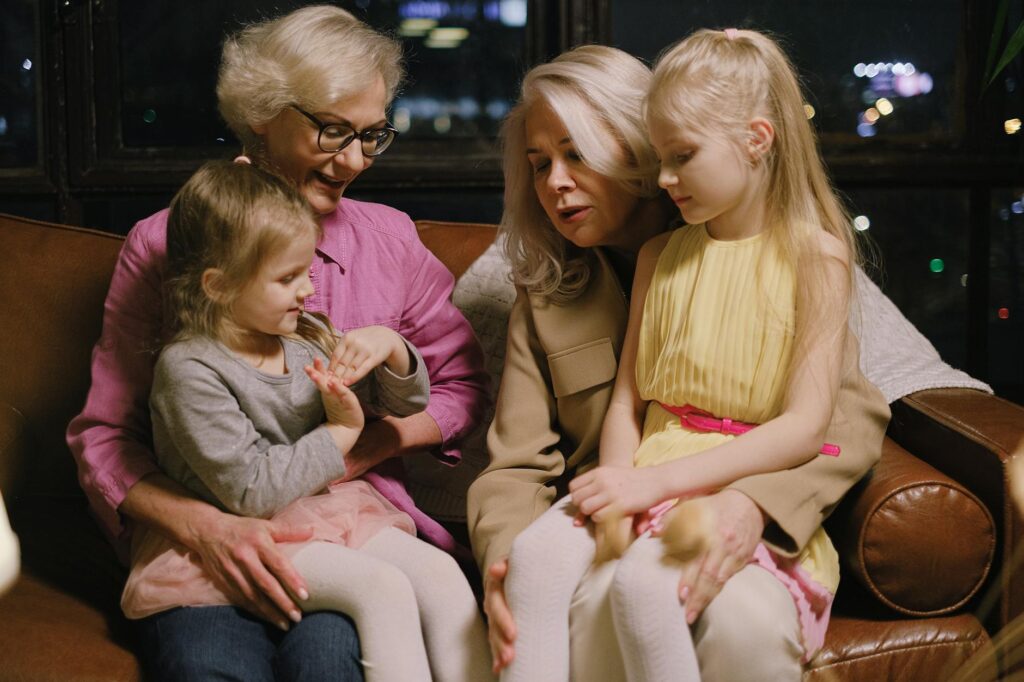
Practical Coping Strategies for Kids During Divorce
Divorce can create significant anxiety in children, making it essential for grandparents to step in with effective coping strategies. Here’s how grandparents can help grandchildren cope with anxiety during this challenging time.
Encourage Emotional Expression
- Provide a Safe Space: Create an environment where your grandchildren feel comfortable expressing their feelings. Let them know that it’s okay to be sad, angry, or confused about the divorce.
- Introduce Journaling: Encourage them to keep a journal where they can write about their thoughts and emotions. This can provide a valuable outlet for their feelings. Provide colorful pens or stickers to make it fun.
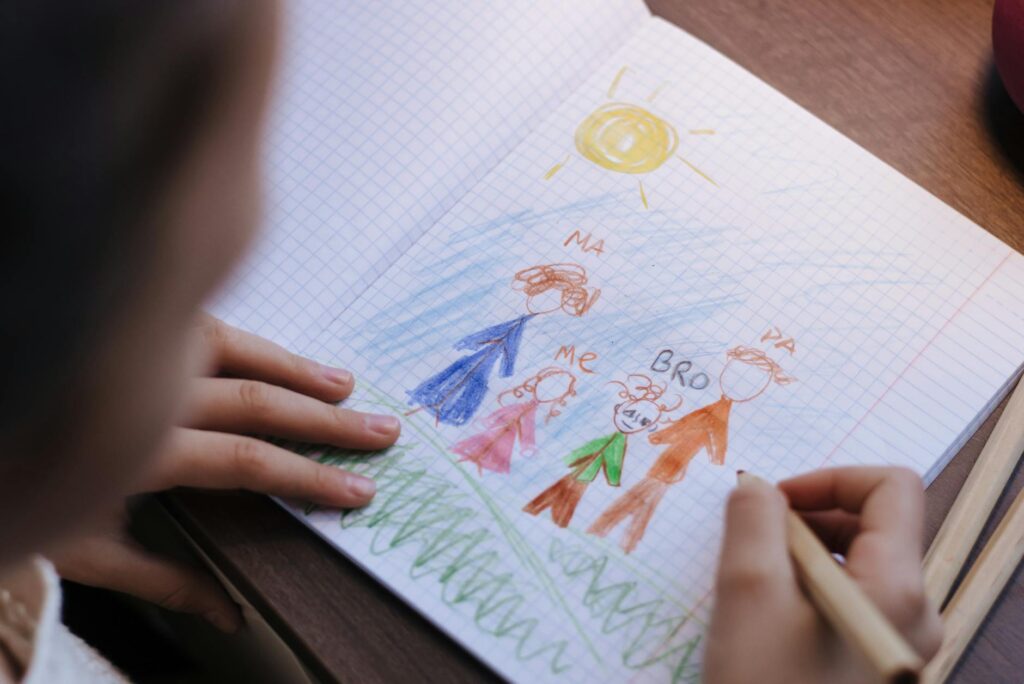
Photo by Ron Lach on Pexels - Engage in Art Activities: Use art as a coping strategy for kids. Supply them with drawing materials or craft supplies. Encourage them to create artwork that represents their feelings and thoughts. Discuss their creations to help them articulate their emotions.
- Practice Active Listening: Be available to listen without judgment. Validate their feelings by saying things like, “It’s normal to feel this way.” This grandparent support anxiety can foster a sense of security.
Promote Healthy Routines
- Establish a Consistent Schedule: Help maintain a daily routine that includes regular mealtimes, sleep schedules, and recreational activities. Predictability can alleviate some of the divorce anxiety in children.
- Include Physical Activity: Incorporate exercise into their routine. Activities like walking, biking, or playing sports can help reduce stress and improve mood.
- Encourage Social Interaction: Facilitate playdates or group activities with friends. Social connections can provide emotional support and reduce feelings of isolation.
- Incorporate Relaxation Techniques: Introduce simple mindfulness exercises or breathing techniques to help them manage anxiety. Practicing these together can strengthen your bond and promote calmness.
By implementing these coping strategies for kids, grandparents help grandchildren navigate their emotions during divorce. Consistent support and understanding can make a significant difference in reducing anxiety and fostering resilience.
Grandparents Help Grandchildren Anxiety Divorce
Be Present and Available
To effectively support your grandchildren during a divorce, prioritize being present and available. Follow these steps:
- Set Regular Check-Ins: Schedule consistent times to talk or spend time together, whether in person or via video calls.
- Listen Actively: When your grandchildren express their feelings, listen without interrupting. Use phrases like “I hear you” or “That sounds tough” to show you are engaged.
- Create a Safe Space: Make your home a comforting environment where they can express themselves freely without fear of judgment.
Being present not only helps alleviate divorce anxiety in children but also reinforces the bond you share, providing them with a sense of stability amidst the changes.
Offer Reassurance and Validation
Emotional support is crucial for children coping with divorce. Here’s how to provide reassurance and validation:
- Validate Their Feelings: Acknowledge their emotions by saying things like, “It’s okay to feel sad or confused.” This helps them understand that their feelings are normal.
- Reassure Them of Your Love: Consistently communicate your love and support. Remind them that they are cherished and that family bonds remain strong, even if circumstances change.
- Encourage Open Dialogue: Foster an environment where they can share their thoughts. Ask open-ended questions such as, “What do you miss the most?” to encourage deeper conversations.
Through grandparent support anxiety strategies like these, you help your grandchildren navigate their emotions and develop healthy coping strategies for kids. By offering reassurance and validating their feelings, you become a crucial part of their support system during this challenging time.
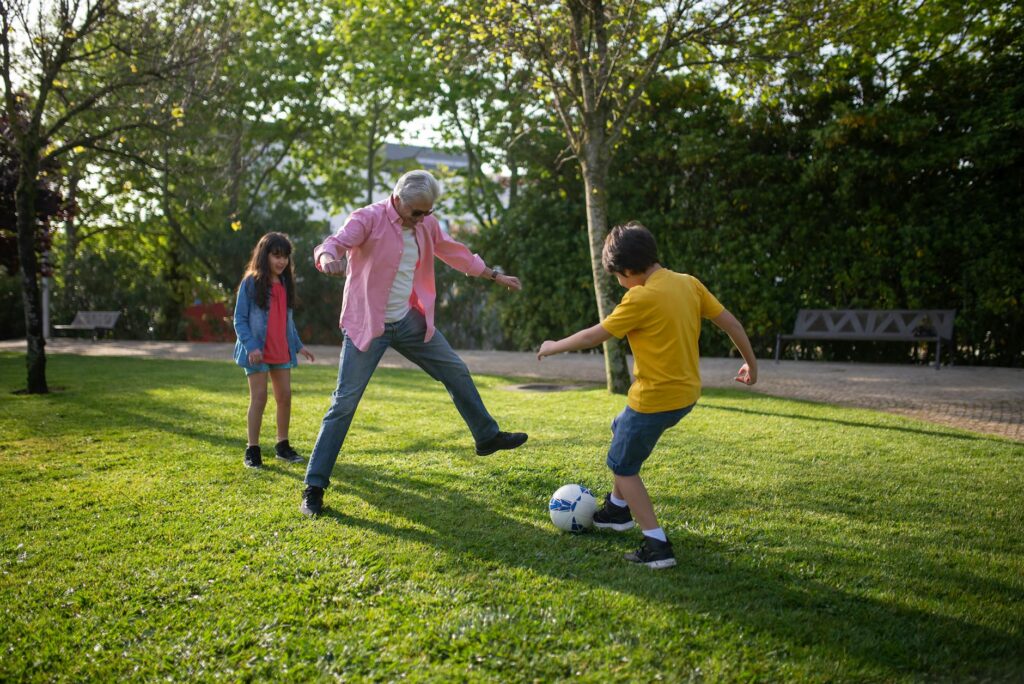
By implementing these strategies, you can significantly reduce your grandchildren’s anxiety and help them adjust to the changes brought about by divorce. Your role as a grandparent is vital, and your support can make a lasting impact.
Engage in Activities that Foster Connection
Grandparents play a crucial role in helping grandchildren cope with anxiety during challenging times, such as divorce. Engaging in activities together can provide a comforting distraction, allowing children to feel supported and connected. Follow these steps to create meaningful experiences that can ease divorce anxiety in children.
Plan Fun and Distracting Activities
Choose activities that not only entertain but also allow for bonding. Here’s how:
- Select Engaging Activities: Choose from gardening, cooking, crafting, or playing board games. Each of these activities offers opportunities for conversation while keeping children occupied.
- Involve Them in Planning: Allow grandchildren to help decide what to do. This involvement can make them feel more in control and less anxious.
- Make it Special: Create a routine, such as a weekly baking day or a monthly garden visit. Consistency can provide comfort and stability.
- Encourage Storytelling: While gardening or cooking, share stories from your own life. This can help children feel connected and understood.
These activities not only distract but also foster a sense of security, illustrating how grandparents help grandchildren anxiety divorce by providing a loving environment.
Incorporate Mindfulness Practices
Mindfulness can significantly help manage anxiety. Implement these practices:
- Practice Deep Breathing: Teach simple deep breathing exercises. For instance, inhale for four counts, hold for four, and exhale for four. Repeat several times.
- Engage in Nature Walks: Take leisurely walks and encourage children to notice their surroundings. Ask them to identify different plants, animals, or colors.
- Introduce Simple Meditation: Use a guided meditation for kids. You can find several resources online that cater specifically to children.
- Encourage Journaling: Provide a journal for them to express their thoughts and feelings. Writing can serve as a powerful coping strategy for kids.
Incorporating these mindfulness practices not only helps manage divorce anxiety in children but also strengthens the bond between grandparents and grandchildren. Through engaging activities and mindfulness, grandparents can provide essential grandparent support anxiety, ensuring their grandchildren feel loved and less anxious.
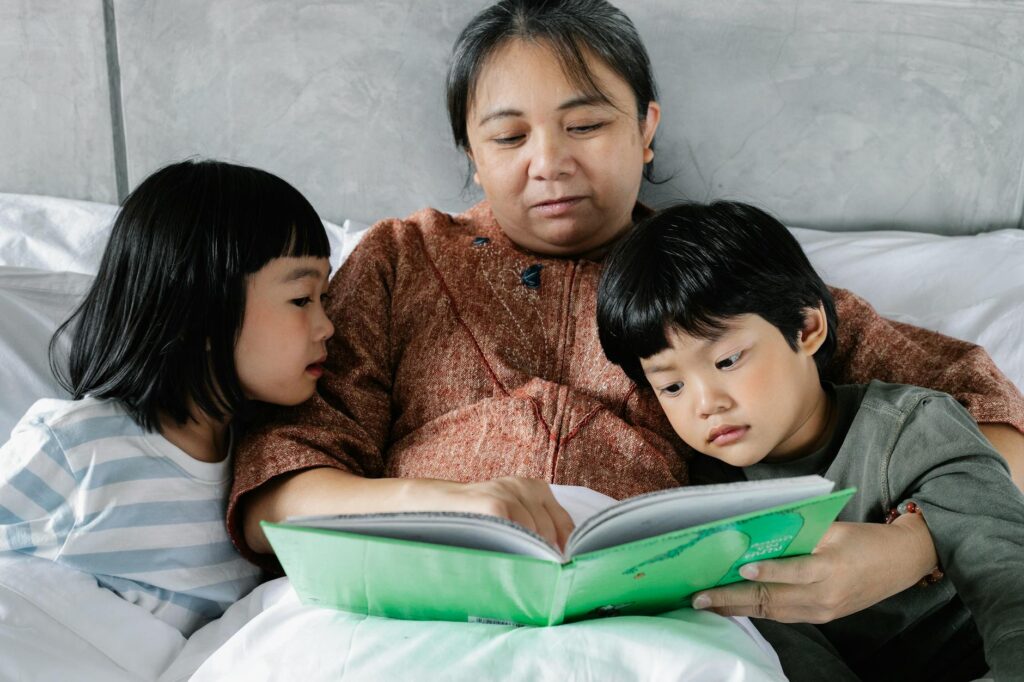
Monitor Signs of Divorce Anxiety in Children
As grandparents, your role extends beyond just spoiling your grandchildren; you can also provide crucial support during their parents’ divorce. Recognizing signs of divorce anxiety in children is essential for helping them cope. Follow these steps to monitor their emotional well-being effectively.
1. Recognize Behavioral Changes
Pay close attention to any noticeable shifts in your grandchild’s behavior. Common signs of divorce anxiety in children may include:
- Increased irritability: Watch for sudden mood swings or excessive anger.
- Withdrawal: Notice if they become socially isolated, preferring to spend time alone.
- Changes in sleeping or eating patterns: Look for signs of insomnia or loss of appetite.
- Decline in academic performance: Monitor any drop in grades or lack of interest in schoolwork.
- Physical symptoms: Keep an eye out for complaints of headaches, stomachaches, or other unexplained ailments.
By remaining observant, you can provide timely grandparent support for anxiety, helping your grandchild navigate this challenging period.
2. Seek Professional Help When Necessary
If you notice persistent signs of anxiety or distress, consider seeking professional help. Therapy or counseling can offer valuable coping strategies for kids. Here’s how to approach this:
- Consult a pediatrician: Discuss your concerns to determine if therapy is warranted.
- Research therapists: Look for professionals who specialize in child psychology, particularly those experienced with divorce-related issues.
- Encourage participation: If your grandchild is open to it, support them in attending therapy sessions.
Engaging a professional can help address deeper emotional issues and equip your grandchild with effective coping strategies. Remember, grandparents help grandchildren anxiety divorce by being proactive and supportive during such transitions.
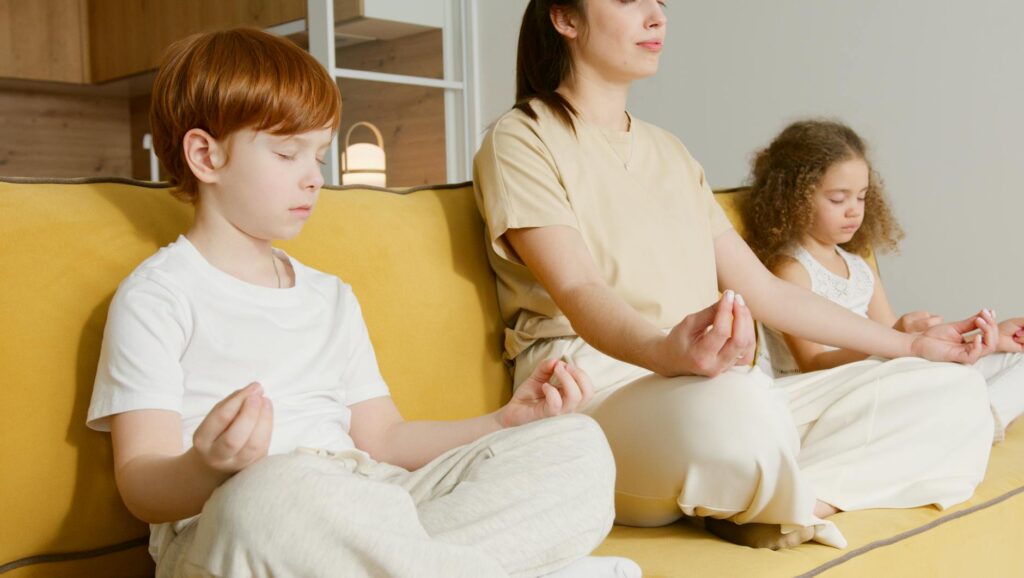
Monitoring these signs and seeking help when needed ensures that your grandchild has the support they require during a difficult time. By being vigilant and responsive, you can play a pivotal role in their emotional recovery. For more insights on how to support your grandchildren, refer to Signs Your Grandchildren Need Support During Divorce.
Grandparents play a vital role in helping grandchildren cope with divorce anxiety. Their unique bond often provides a safe space where children can express their feelings without fear of judgment. By implementing effective coping strategies for kids, grandparents not only ease the emotional burden but also foster resilience in the face of family changes. This support can significantly mitigate the effects of divorce anxiety in children, allowing them to navigate their feelings more successfully.
Encouraging open communication and creating a nurturing environment are just a couple of ways that grandparent support can alleviate anxiety. If you are a grandparent looking to help your grandchild through this challenging time, consider engaging in activities that promote bonding and emotional expression. Whether it’s reading together, going for walks, or simply listening, your involvement can make a world of difference. Take the first step today by reaching out, and remember, your love and presence are powerful tools in helping grandchildren manage anxiety during divorce.
“`html
How can grandparents help grandchildren deal with divorce anxiety?
Grandparents can play a vital role in supporting grandchildren during a divorce. They can offer a stable presence, provide emotional support, and create a safe space where children can express their feelings. By listening to their concerns and validating their emotions, grandparents help grandchildren cope with divorce anxiety. Engaging in regular visits, phone calls, or video chats can also reassure children that they are loved and supported, contributing to their emotional well-being.
What are some coping strategies for kids during a divorce?
Children can benefit from various coping strategies during a divorce. Encouraging them to express their feelings through journaling, art, or talking helps them process their emotions. Maintaining routines can provide comfort and security. It is also beneficial to engage them in physical activities or hobbies that they enjoy. Grandparents can further assist by introducing relaxation techniques, such as deep breathing exercises or mindfulness practices, which are effective coping strategies for kids facing emotional challenges.
What signs indicate divorce anxiety in children?
Signs of divorce anxiety in children may include changes in behavior, such as increased irritability, withdrawal from social interactions, or sudden mood swings. Physical symptoms like headaches, stomachaches, or sleep disturbances can also indicate anxiety. Additionally, children may express fears related to the divorce, such as worries about being abandoned or changes in their living situation. Recognizing these signs early is crucial for providing the necessary support and reassurance.
How can grandparents provide support for anxiety?
Grandparents can provide invaluable support for anxiety by being present and attentive to their grandchildren’s needs. They can create a nurturing environment where children feel safe to share their worries. Active listening, without judgment, helps children feel heard and understood. Grandparents may also share comforting stories or engage in calming activities, such as reading together or going for nature walks. Being a consistent source of love and encouragement can significantly alleviate anxiety in grandchildren.
What activities can grandparents do with grandchildren to reduce anxiety?
Engaging in fun and relaxing activities can effectively reduce anxiety for grandchildren. Grandparents can organize outdoor activities, such as gardening, hiking, or playing sports, which promote physical well-being and emotional release. Creative pursuits like painting, crafting, or cooking together can foster connection and distract from negative thoughts. Reading books or playing games can also provide a comforting routine that helps children feel secure and engaged, allowing them to navigate their feelings more effectively.
When should I seek professional help for my grandchild’s anxiety?
If your grandchild’s anxiety persists despite efforts to provide support, it may be time to seek professional help. Signs that professional intervention is necessary include severe changes in behavior, ongoing physical complaints, or if they express feelings of hopelessness or worthlessness. A mental health professional can offer specialized strategies tailored to your grandchild’s needs. Early intervention is crucial, as it can help them develop effective coping mechanisms during this challenging time.
“`