
Building resilience in grandchildren affected by divorce is essential for their emotional well-being and future success. As grandparents, you play a crucial role in helping your grandchildren navigate the challenges that come with their parents’ separation. This article explores the importance of fostering resilience in children during difficult times, providing step-by-step resilience strategies for kids that you can implement in your interactions with them. We will delve into practical tips for grandparents fostering resilience, ensuring that you can effectively support your grandchildren through challenges they may face. By understanding how to create a nurturing environment and encouraging open communication, you can empower your grandchildren to thrive despite their circumstances. Additionally, we will discuss the lasting benefits of resilience in children and how your support can make a significant difference in their lives. For more insights on emotional health, check out the American Psychological Association and NCBI for research-backed strategies.
Understanding the Importance of Building Resilience in Grandchildren Affected by Divorce
Recognize the Impact of Divorce on Children
Divorce can have profound emotional and mental effects on children, including feelings of confusion, sadness, and even guilt. Research indicates that children of divorced parents may experience increased anxiety and behavioral issues, impacting their overall well-being and development. Recognizing these challenges is the first step in building resilience in grandchildren affected by divorce.
- Observe Emotional Changes: Pay attention to any noticeable shifts in your grandchild’s mood or behavior. Look for signs of distress, withdrawal, or difficulty concentrating.
- Encourage Open Communication: Foster an environment where your grandchild feels safe to express their feelings. Ask open-ended questions about their thoughts on the divorce.
- Validate Their Feelings: Let them know that it is normal to feel upset or confused, and reassure them that their emotions are valid.
The Role of Grandparents in Fostering Resilience
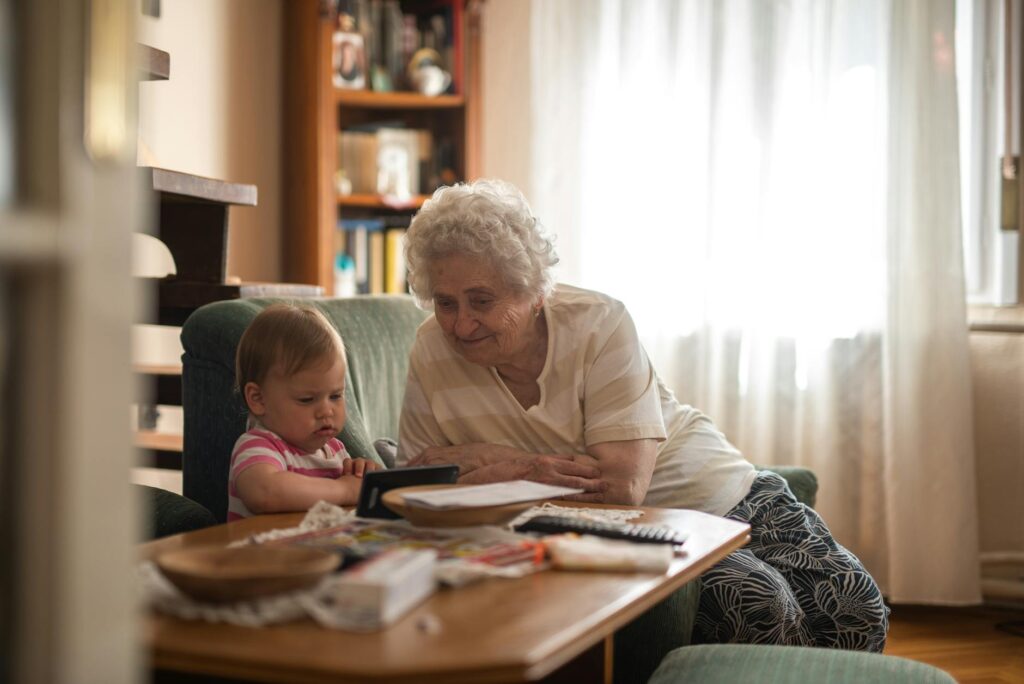
As a grandparent, you hold a unique position to provide support and stability during this challenging time. Your relationship with your grandchild can serve as a safe haven, helping them navigate their emotions and develop coping mechanisms.
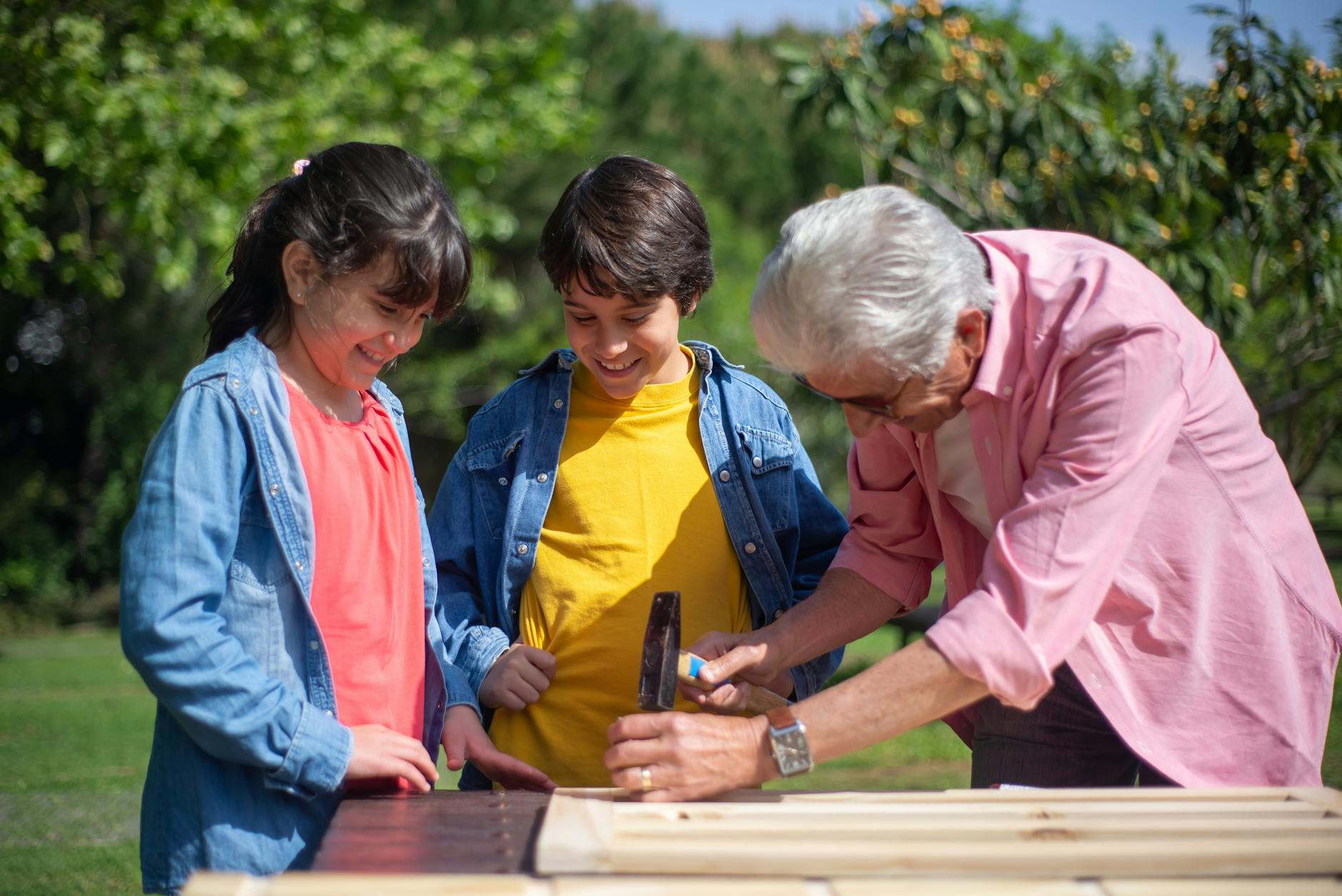
- Be Present: Spend quality time with your grandchild. Engage in activities they enjoy, whether it’s playing games, reading, or simply talking. Your presence can provide a sense of normalcy and comfort.
- Model Resilience Strategies for Kids: Demonstrate healthy coping strategies in your own life. Share stories of challenges you faced and how you overcame them, helping your grandchild understand that difficulties can be managed.
- Support Their Interests: Encourage your grandchild to pursue hobbies or activities they are passionate about. This can help them regain a sense of control and accomplishment.
- Stay Informed: Educate yourself about the effects of divorce on children and effective resilience strategies. This knowledge will empower you to be a more effective support system. Educational Support for Grandchildren During Divorce.
By actively engaging in these steps, you can play a pivotal role in building resilience in grandchildren affected by divorce. Your love and support are crucial in helping them face this transition, enabling them to develop skills for supporting children through challenges throughout their lives.
Step-by-Step Strategies for Building Resilience in Grandchildren After Divorce
Helping your grandchildren navigate the challenges of divorce can feel daunting, but as a grandparent, you play a crucial role in their emotional development. Follow these actionable steps to implement effective resilience strategies for kids that foster resilience and help them thrive despite adversity.
Step 1: Create a Safe Space for Communication
- Establish a comfortable environment: Designate a specific area in your home where your grandchildren feel at ease. This could be a cozy nook with soft seating or a quiet outdoor space.
- Encourage open dialogue: Invite them to share their feelings without judgment. Ask open-ended questions like, “How do you feel about what’s happening?”
- Be an active listener: Show empathy by nodding and responding to their concerns. Validate their feelings and let them know it’s okay to express themselves.
Step 2: Encourage Emotional Expression
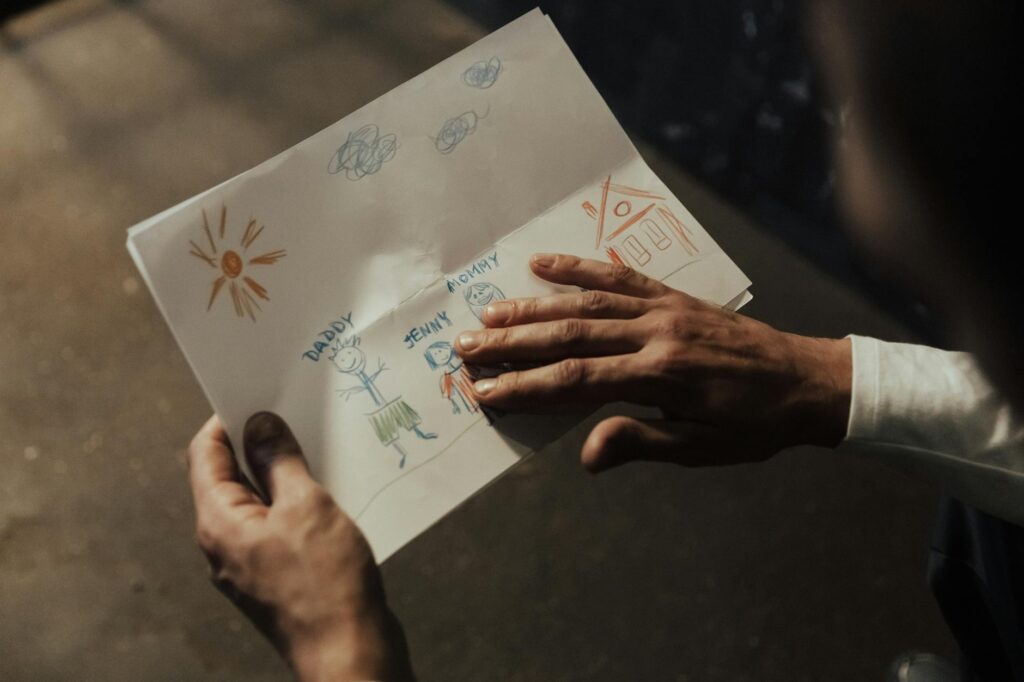
- Introduce creative outlets: Provide art supplies, journals, or musical instruments. Encourage them to express their emotions through drawing, writing, or music.
- Practice role-playing: Engage in role-playing scenarios that allow them to explore different feelings and responses. This can help them process their emotions in a safe way.
- Discuss emotional vocabulary: Teach them words to describe their feelings, such as “sad,” “angry,” or “confused.” This can empower them to communicate their emotions more effectively.
Step 3: Teach Problem-Solving Skills
- Identify challenges together: Discuss specific situations that trouble them. Ask them to articulate the problem clearly.
- Brainstorm solutions: Guide them in thinking of multiple solutions. Encourage creativity and collaboration in finding ways to address their concerns.
- Evaluate outcomes: After implementing a solution, discuss what worked and what didn’t. Help them understand that setbacks are part of the learning process.
Step 4: Promote Healthy Relationships
- Encourage social connections: Help them maintain friendships by organizing playdates or outings with peers. Strong relationships can provide emotional support.
- Discuss healthy boundaries: Teach them the importance of setting boundaries in relationships, emphasizing respect and communication.
- Model positive interactions: Demonstrate healthy relationships in your life. Show them the value of kindness, respect, and open communication with others.
Step 5: Model Resilience Through Your Actions
- Share your experiences: Talk about challenges you’ve faced and how you overcame them. This provides a real-life example of resilience.
- Practice self-care: Show them the importance of taking care of oneself emotionally and physically. Engage in activities that promote well-being, like exercise or meditation.
- Maintain a positive outlook: Demonstrate optimism in the face of adversity. Help them reframe negative thoughts into positive actions and outcomes.
By implementing these strategies, you can significantly contribute to building resilience in grandchildren affected by divorce. Your support is vital in helping them develop the skills necessary for navigating life’s challenges and fostering strong emotional well-being.
For more insights on supporting children through challenges, explore additional resources that provide guidance on resilience building and emotional health. Effective communication and a nurturing environment can make all the difference in fostering resilience.
American Psychological Association on resilience | Child Welfare Information Gateway on resilience strategies | National Institutes of Health on emotional resilience
Supporting Children Through Challenges: Practical Tips for Grandparents
As a grandparent, your role in building resilience in grandchildren affected by divorce is invaluable. Children face numerous emotional challenges during such transitions, and your support can make a significant difference. Here are practical steps you can take to help your grandchildren navigate these tough times.
1. Be Present and Available
Establish yourself as a reliable figure in your grandchild’s life. Being present means more than just physical proximity; it involves emotional availability too. Here’s how to effectively support children through challenges:
- Schedule Regular Visits: Plan consistent times to see your grandchildren, whether weekly or bi-weekly. Having a routine fosters security.
- Engage in Open Conversations: Create an environment where your grandchildren feel comfortable sharing their feelings. Ask open-ended questions that encourage them to express their thoughts.
- Listen Actively: When they talk, listen without judgment and validate their feelings. Show empathy and understanding, which boosts their confidence to share more.
2. Encourage Routine and Stability
Divorce often disrupts a child’s sense of normalcy. You can help restore some stability. Implement these strategies:
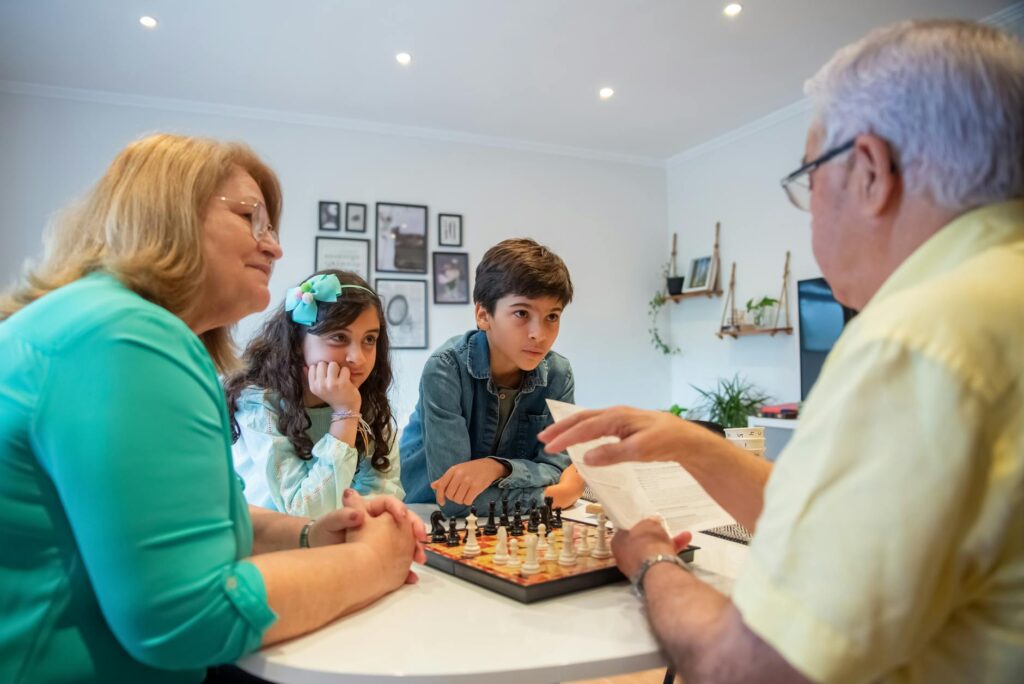
- Establish Predictable Activities: Create fun, regular activities like game nights or outdoor adventures. This provides a sense of continuity and joy.
- Maintain Consistent Rules: If your grandchild spends time in multiple households, coordinate with their parents to keep rules and expectations similar. This reduces confusion and anxiety.
- Celebrate Small Milestones: Acknowledge achievements, whether big or small. Celebrating progress fosters a positive outlook and encourages resilience strategies for kids.
3. Help Them Develop Coping Strategies
Teaching your grandchildren how to cope with their emotions is crucial. Here’s how to assist in their emotional development:
- Introduce Relaxation Techniques: Teach them simple breathing exercises or mindfulness activities. These can be valuable tools for managing stress.
- Encourage Creative Expression: Provide materials for drawing, writing, or other creative outlets. This helps them process their feelings and express themselves.
- Model Resilience: Share your own experiences with challenges and explain how you overcame them. This demonstrates that difficulties can be managed and that they too can be resilient.
By actively participating in your grandchildren’s lives, you contribute significantly to building resilience in grandchildren affected by divorce. Your support helps them learn that challenges can be faced with strength and adaptability, making you an essential part of their journey.

Conclusion: The Lasting Benefits of Resilience in Children
Building resilience in grandchildren affected by divorce is a vital step in fostering their emotional well-being and equipping them with the skills necessary to navigate life’s challenges. Throughout this article, we have explored effective strategies that grandparents can use to support their grandchildren during this difficult time. By implementing these strategies, you lay a strong foundation for your grandchildren’s future, helping them to develop emotional strength and adaptability.
Follow these key takeaways to ensure you are effectively building resilience in your grandchildren:
- Encourage Open Communication: Foster an environment where your grandchildren feel safe to express their feelings about the divorce. This can help them process their emotions and understand the situation better.
- Model Resilience: Demonstrate resilience in your own life. Share your experiences of overcoming challenges, which can inspire your grandchildren to adopt similar attitudes.
- Teach Problem-Solving Skills: Engage your grandchildren in age-appropriate discussions about problem-solving. This can be through games or real-life scenarios, reinforcing the idea that challenges can be overcome.
- Maintain Stability: Create a consistent routine that provides a sense of security. Stability is crucial for children as they navigate the uncertainty often brought on by divorce.
- Promote Positive Relationships: Encourage your grandchildren to maintain connections with both parents and other family members. Building a support network is essential for emotional health.
- Recognize and Celebrate Achievements: Acknowledge your grandchildren’s efforts and successes, no matter how small. This helps build their confidence and reinforces their ability to overcome difficulties.
By actively engaging in these resilience strategies for kids, you not only help them cope with their current circumstances but also prepare them for future challenges. The skills learned during this formative period will serve them well throughout their lives, leading to improved emotional health and well-being.
As grandparents fostering resilience, you play a crucial role in supporting children through challenges. Your involvement can make a significant difference in their ability to bounce back and thrive. Remember, the effort you invest in building resilience in your grandchildren affected by divorce will yield lasting benefits that extend well beyond their childhood.
Ultimately, by nurturing resilience, you are not just helping them navigate the immediate aftermath of divorce; you are equipping them with lifelong tools to manage adversity, fostering a sense of hope and empowerment that will carry them through any challenges they may face in the future. According to the American Psychological Association, resilience is crucial for mental health and overall well-being, making your efforts invaluable in their lives.
Building resilience in grandchildren affected by divorce is not only a vital skill for their emotional health but also a lifelong asset. By implementing effective resilience strategies for kids, grandparents can play a crucial role in fostering a supportive environment. It is essential to provide open communication, encourage problem-solving, and model positive coping mechanisms. These actions not only help children navigate their current challenges but also equip them with tools they will use throughout their lives.
As you embark on this journey of supporting children through challenges, consider taking small, consistent steps. Start by engaging in activities that promote bonding and emotional expression, such as family storytelling or shared hobbies. Remember, grandparents fostering resilience are not just caregivers but also vital pillars of strength in their grandchildren’s lives. By actively participating in their emotional development, you can help them build a brighter, more resilient future.
“`html
How can grandparents help grandchildren cope with divorce?
Grandparents play a vital role in helping grandchildren cope with divorce by providing emotional support, stability, and a listening ear. They can offer a safe environment for children to express their feelings and concerns. Engaging in regular communication and being present in their lives can foster a sense of belonging and security. Additionally, grandparents can help by encouraging positive coping mechanisms, like open discussions about emotions and providing reassurance during tough times. This approach is key in building resilience in grandchildren affected by divorce.
What are some effective resilience strategies for kids?
Effective resilience strategies for kids include promoting a growth mindset, encouraging problem-solving skills, and fostering strong relationships with supportive adults. Teaching children to set realistic goals and celebrate their achievements can help them build confidence. Additionally, engaging in activities that promote emotional expression, such as art or journaling, can be beneficial. Practicing mindfulness or relaxation techniques can also help kids manage stress and anxiety, ultimately contributing to their ability to bounce back from challenges.
Why is resilience important for children affected by divorce?
Resilience is crucial for children affected by divorce as it equips them with the ability to cope with change and adversity. Developing resilience helps children navigate their emotions, adapt to new situations, and recover from setbacks. Children with strong resilience are more likely to experience improved mental health and well-being. Additionally, they are better prepared to face future challenges, both related to the divorce and other life experiences. This ability to adapt and thrive is essential for their long-term emotional stability.
How can I create a safe space for my grandchildren to express feelings?
Creating a safe space for your grandchildren involves fostering an environment where they feel comfortable sharing their thoughts and feelings. Start by actively listening without judgment and validating their emotions. Establishing regular check-ins or informal chats can also encourage open communication. Designate a cozy area at home for these discussions, free from distractions. Engaging in activities together, like reading or drawing, can help ease anxiety and promote dialogue. This supportive approach is crucial for building resilience in grandchildren affected by divorce.
What activities can I do with my grandchildren to foster resilience?
Engaging in activities that promote teamwork and problem-solving can greatly foster resilience in grandchildren. Consider playing board games that require strategy and collaboration or engaging in sports that teach perseverance. Creative activities, such as arts and crafts, can also help children express their emotions and build self-esteem. Outdoor adventures like hiking or camping can strengthen their coping skills through exposure to new experiences and challenges. These activities not only provide enjoyment but also help in building resilience in grandchildren affected by divorce.
How can I support my grandchildren through challenges after a divorce?
Support your grandchildren by being a consistent presence in their lives, offering emotional support and encouragement. Allow them to share their feelings and provide reassurance that their emotions are valid. Help them develop coping strategies by guiding them through difficult situations and encouraging problem-solving. Engaging in activities together that promote resilience, such as sports or creative projects, can also be beneficial. Ultimately, your understanding and willingness to be there for them will significantly aid in supporting children through challenges after a divorce.
“`