
Many grandparents who are raising their grandchildren have to deal with the painful moment when the child refuses help or counseling. It can be hard to deal with this kind of resistance, especially when you know that support could help everyone. If you know why kids don’t want to do something and how to respond calmly, things can move forward.
Understanding Counseling for Resistant Children
When counseling a resistant child, it often starts with fear instead of defiance. Kids might be afraid of being judged, blamed, or made to talk about things that hurt. Some people think that going to therapy is like being punished or showing that something is wrong with them. Grandparents who know about these fears are more likely to be patient than to put pressure on their grandchildren.

How teens’ behavior affects resistance
Teenagers’ actions make things even more difficult. Teenagers naturally want to be in charge and do things on their own. Refusing counseling may be their way of showing that they are in charge. Because of things that have happened to them in the past, teens may not trust adults or professionals. It’s better to think of counseling as a way to help them reach their goals and feel better than as a chore.
Talking about common problems with therapy
Barriers to therapy can be emotional, cultural, or practical. A child might be too shy to talk to a stranger or worry that their private thoughts will be shared. Some people may think that counseling won’t help because it hasn’t worked in the past. Talking about these worries openly can help ease anxiety. Letting the child help choose the counselor or type of support can also make them less resistant.
Things Grandparents Can Do to Help
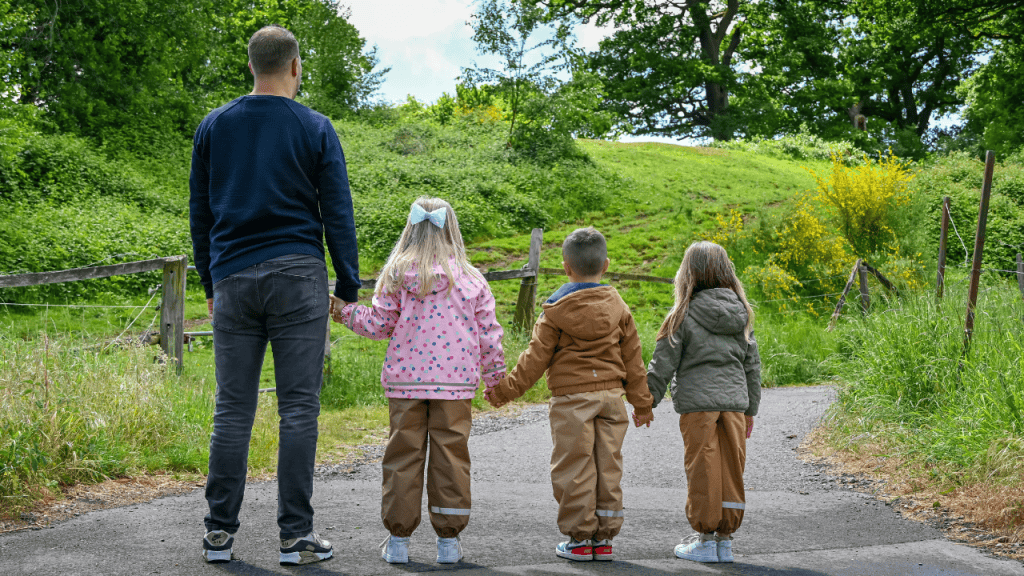
Start by talking less and listening more. Don’t correct the child right away; instead, validate their feelings. Talk about your worries in a calm way and focus on how counseling could help with certain problems instead of trying to change who they are. Starting with informal support, like group activities or mentoring, can help people feel less scared about counseling over time.
Questions and Answers
Why won’t my grandchild go to counseling?
Fear, not trusting others, and wanting to be in charge are all common reasons why kids don’t want to go to counseling.
Is this how teens usually act?
Yes, resistance is often a normal part of being a teenager, especially when things are stressful or changing.
How can I talk about counseling without getting into a fight?
Use calm language, don’t make threats, and listen before you offer solutions.
What if the things that keep people from going to therapy are cultural or personal?
Respect these worries and look for ways to do things that are more in line with your grandchild’s values.
If problems keep happening, should I make them go to counseling?
In most cases, getting people to trust you and motivating them to participate is better than forcing them to do so.
Featured Image
Images are by Canva.com