

Understanding the trauma impact on grandchildren is crucial for fostering healthy family dynamics, especially in the context of grandfamilies. As society evolves, more grandparents are stepping in as primary caregivers, often due to the challenges faced by their children. This situation can introduce unique challenges related to trauma for both grandparents and grandchildren. Recognizing the signs of trauma in grandchildren is vital for effective support, as these young ones may carry the emotional weight of their parents’ experiences. This article will delve into the specific issues of grandparent caregiving, exploring how trauma affects grandchildren and discussing practical support for traumatized children within grandfamilies. We will also outline strategies for building a nurturing and supportive environment, ensuring that both grandparents and grandchildren can thrive together despite the challenges they face. By understanding the trauma impact on grandchildren, we can take meaningful steps toward healing and connection within these family units.
Understanding the Trauma Impact on Grandchildren
What is Trauma?
Trauma is defined as a deeply distressing or disturbing experience. It can arise from various sources, including physical or emotional abuse, neglect, loss of a loved one, or exposure to violence. The effects of trauma can be long-lasting and often affect a child’s emotional and psychological well-being. Trauma can be categorized into different types, such as acute trauma, which results from a single event, and complex trauma, which stems from prolonged exposure to distressing experiences. For grandchildren raised in grandfamilies, understanding these forms of trauma is crucial, as they can significantly influence their development.
How Trauma Affects Children
The trauma impact on grandchildren can extend far beyond the initial event, affecting their emotional health and behavior. Research shows that children who experience trauma are at a heightened risk for developing anxiety, depression, and behavioral issues. According to studies, early exposure to trauma can alter brain development, leading to difficulties in learning and social interactions. Children may exhibit signs of distress such as withdrawal, aggression, or difficulties in forming relationships.
Grandchildren in grandfamilies often face unique challenges related to trauma. They may be caregiving for a grandparent or coping with instability in their home environment, which can exacerbate the effects of their own trauma. It is essential to recognize these patterns to provide effective support for traumatized children. Understanding the trauma impact on grandchildren allows caregivers to tailor their approach, fostering a nurturing environment that promotes healing.
To help mitigate these impacts, consider implementing routines, engaging in open communication, and seeking professional support when necessary. Resources like therapy and support groups can play a vital role in helping both grandchildren and their caregivers navigate the complexities of trauma and emotional health.
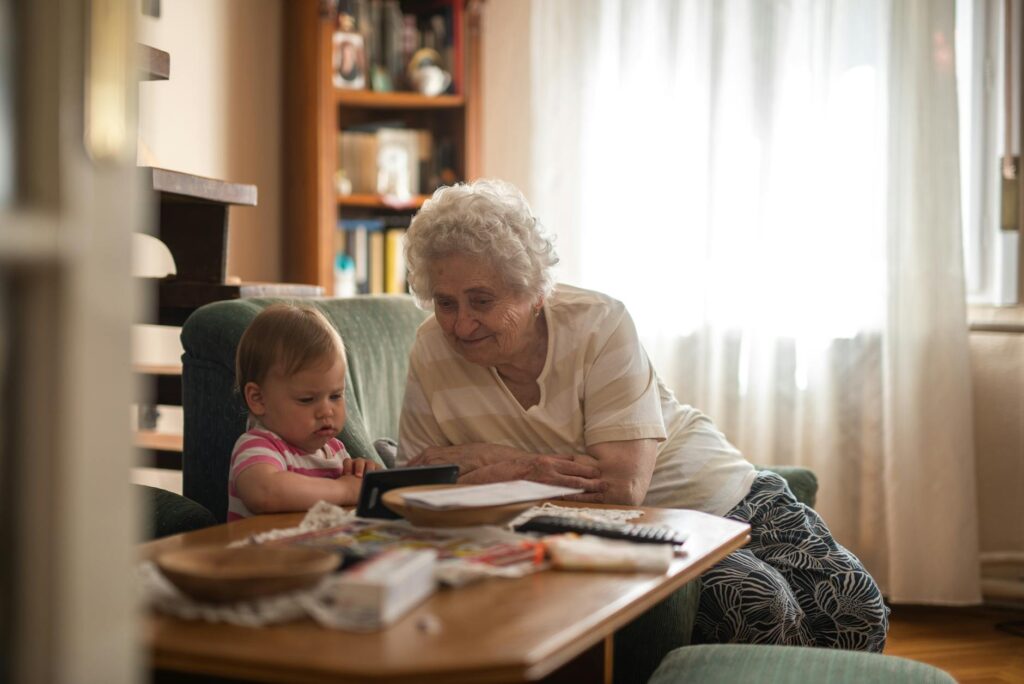
The Unique Challenges Faced by Grandfamilies and Trauma
Living Arrangements and Their Impact on Trauma Impact on Grandchildren
Grandfamilies, where grandparents take on the role of primary caregivers for their grandchildren, often face unique challenges compared to traditional family structures. These challenges can amplify the trauma impact on grandchildren. Many grandfamilies experience financial strain, emotional stress, and the complexities of navigating parental rights, which can create an unstable environment for children already dealing with trauma. According to a study by the Child Trends, nearly 40% of children in grandfamilies have experienced multiple traumas, exacerbating their emotional and behavioral difficulties.

Emotional and Behavioral Challenges
Children raised in grandfamilies may exhibit various emotional and behavioral challenges due to the trauma they have encountered. Common issues include anxiety, depression, and difficulties with attachment. A report from the National Institutes of Health highlights that children in these situations are at a higher risk for developing attachment disorders, as they often struggle to form secure bonds due to prior instability. Furthermore, grandparent caregiving issues can lead to feelings of inadequacy or frustration among the caregivers, impacting their ability to provide the necessary support for traumatized children.
To effectively address these challenges, it is crucial for grandfamilies to access support for traumatized children, which can include therapy, community resources, and educational programs tailored to their specific needs. By fostering a nurturing environment and seeking appropriate resources, grandfamilies can mitigate the adverse effects of trauma on grandchildren, paving the way for healthier emotional and behavioral development.
Recognizing Signs of Trauma in Grandchildren
Physical and Emotional Signs of Trauma Impact on Grandchildren
Understanding the trauma impact on grandchildren begins with recognizing both physical and emotional symptoms. Children who have experienced trauma may show changes in their behavior and physical health. Common physical signs include:
- Frequent headaches or stomachaches
- Changes in sleep patterns, including nightmares or insomnia
- Unexplained fatigue or lethargy
- Increased sensitivity to touch or loud noises
Emotionally, they may exhibit:
- Heightened anxiety or fearfulness
- Withdrawal from family and friends
- Difficulty concentrating or making decisions
- Unexplained anger or irritability
These signs can provide crucial insights into the emotional state of children, allowing grandparents to better understand their needs and seek appropriate support for traumatized children.
Impact on Daily Life and Relationships
The trauma impact on grandchildren can extend beyond emotional and physical symptoms, affecting their daily activities, school performance, and peer relationships. Trauma can lead to:
- Declining academic performance due to difficulty concentrating or completing assignments
- Increased conflict with peers, often stemming from trust issues or emotional outbursts
- A tendency to isolate themselves, making it challenging to form close friendships
Recognizing these changes is essential for grandparents, especially those involved in grandfamilies and trauma. Addressing these issues early can aid in their recovery and help establish a supportive environment. Consider seeking resources such as therapy or support groups that focus on grandparent caregiving issues for additional guidance.

Support for Traumatized Children in Grandfamilies
Grandfamilies, where grandparents step in as primary caregivers, often face unique challenges when supporting their grandchildren, especially those impacted by trauma. Understanding the trauma impact on grandchildren is crucial for caregivers to help foster healing and resilience.
Effective Strategies for Caregivers
To effectively support their traumatized grandchildren, grandparents can implement several practical strategies:
- Establish a Safe Environment: Create a nurturing space where children feel secure. Consistent routines can help provide stability and predictability.
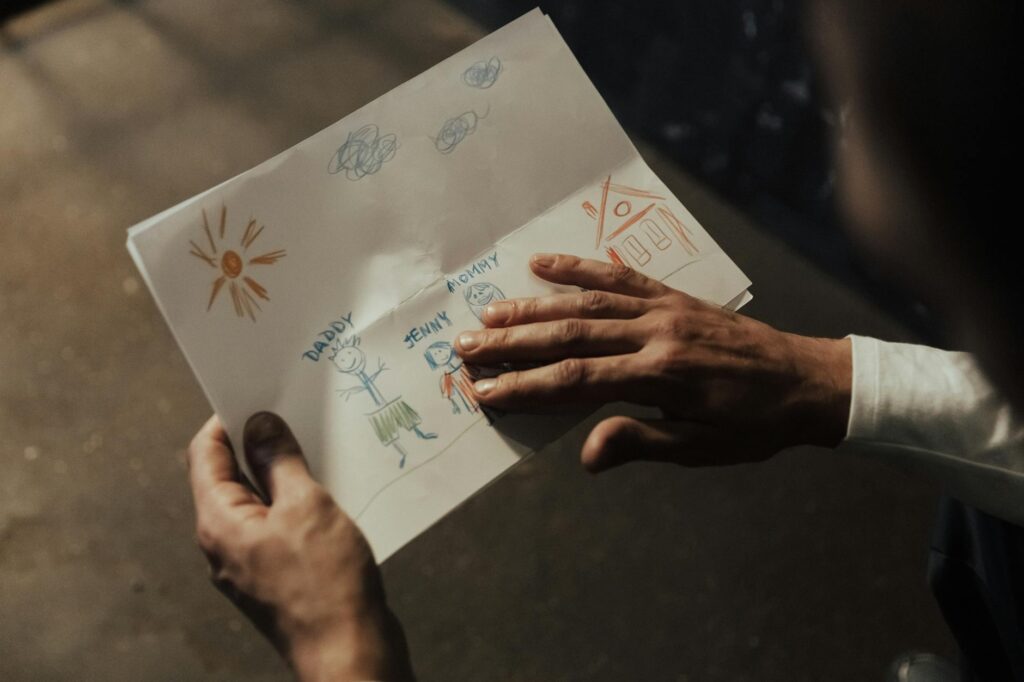
- Encourage Emotional Expression: Allow children to express their feelings through art, writing, or discussions. This helps them process their emotions and understand their trauma.
- Practice Active Listening: Be attentive and validate their feelings. Show empathy and understanding, which can strengthen the bond between grandparent and grandchild.
- Monitor Behavioral Changes: Be observant of sudden changes in behavior or mood, which may indicate deeper issues. Early intervention can prevent further emotional distress.
Community Resources and Professional Help for Trauma Impact on Grandchildren
It’s essential for grandparents to recognize when additional support is needed. Seeking professional help can provide specialized assistance tailored to the child’s needs:
- Therapy and Counseling: Professional therapy can help children process their trauma. Look for child psychologists who specialize in trauma recovery.
- Support Groups: Joining support groups for grandparents or caregivers can provide resources and shared experiences that are invaluable in navigating grandparent caregiving issues.
- Community Services: Local organizations often offer workshops, resources, and support networks for families dealing with trauma. Research available services in your area.
Utilizing these strategies and resources can significantly improve the emotional well-being of grandchildren facing trauma. By understanding the trauma impact on grandchildren, grandparents can make informed decisions that foster healing and resilience in their grandfamilies.
Building a Supportive Environment
When considering the trauma impact on grandchildren, creating a supportive environment is crucial for their healing and development. A stable and safe atmosphere helps grandchildren feel secure, allowing them to process their experiences in a nurturing space. This applies particularly to grandfamilies, where grandparents often take on the role of primary caregivers, tackling unique grandparent caregiving issues. Here are some strategies to help foster such an environment.
Creating Stability and Safety
Children thrive in environments that offer predictability and routine. Establishing a daily schedule can provide a sense of normalcy, which is especially important for children who have faced trauma. Here are some tips:
- Consistent Routines: Set regular times for meals, homework, and bedtime.
- Safe Spaces: Create a physical space where children can retreat when feeling overwhelmed.
- Clear Boundaries: Ensure that expectations for behavior are clear and consistent.
These elements contribute to a sense of security, helping to mitigate some of the trauma impact on grandchildren and allowing them to focus on healing. Providing support for traumatized children can enhance their resilience and emotional well-being.
Communication and Emotional Expression
Open lines of communication are essential for children dealing with trauma. Encourage grandchildren to express their feelings and thoughts about their experiences. Here are a few effective methods:
- Active Listening: Show genuine interest in their feelings without judgment.
- Creative Outlets: Encourage activities like drawing or journaling to help them express emotions.
- Teach Emotional Vocabulary: Help them find the words to articulate their feelings better.
By promoting emotional expression, grandparents can help children navigate their feelings, further mitigating the trauma impact on grandchildren. Providing these tools can empower them to manage their emotions effectively, fostering resilience in the face of life’s challenges. For more resources on supporting children, visit Educational Resources for Grand Families in Utah.
Conclusion: Moving Forward Together
The Role of Grandparents in Addressing the Trauma Impact on Grandchildren
Understanding the trauma impact on grandchildren is crucial for fostering a nurturing environment. Grandparents often play a pivotal role in supporting their grandchildren through the healing process. They can offer stability, unconditional love, and a sense of security that may be lacking in their grandchildren’s lives. This supportive presence is vital for mitigating the effects of trauma and providing a safe space for emotional expression.
Grandfamilies face unique challenges, including navigating complex relationships and addressing grandparent caregiving issues. By actively engaging with their grandchildren, grandparents can help them process their feelings and experiences, encouraging open dialogue about trauma. Creating a safe atmosphere for sharing thoughts and emotions can significantly enhance resilience, enabling grandchildren to better cope with their past experiences.
Encouraging Resilience in Grandchildren
Building resilience is essential in overcoming the trauma impact on grandchildren. Grandparents can encourage this by modeling healthy coping strategies, promoting problem-solving skills, and fostering a sense of belonging. Providing support for traumatized children includes encouraging activities that boost their self-esteem and helping them develop social connections with peers.
A supportive family environment can make all the difference. Grandparents should celebrate small victories, reinforcing their grandchildren’s efforts and progress. Being patient and understanding during challenging moments can also solidify the bond between grandparents and grandchildren, fostering trust and resilience.
As we move forward together, it is essential to recognize the unique strengths that grandparents bring to the table. By partnering with them in their grandchildren’s healing journey, families can create a brighter, more hopeful future.
Addressing the trauma impact on grandchildren is essential for fostering healthy relationships within grandfamilies. By understanding the unique challenges these children face, caregivers can better navigate grandparent caregiving issues and create a supportive environment. Recognizing that trauma can manifest in various ways equips grandparents with the tools needed to provide the right support for traumatized children.
As you continue to learn and adapt, consider reaching out to local resources or support groups focused on grandfamilies and trauma. Connecting with others who share similar experiences can be invaluable in developing strategies to help your grandchildren thrive. Remember, with the right knowledge and support, you can make a significant difference in their lives, promoting healing and resilience for the future.
“`html
What is the trauma impact on grandchildren?
The trauma impact on grandchildren can be profound, affecting their emotional, psychological, and social development. Children exposed to trauma may experience anxiety, depression, and difficulty forming relationships. They might also struggle with trust and safety, leading to challenges in their daily lives. Understanding this impact is crucial for grandfamilies to provide the necessary support and create a nurturing environment for healing.
How can grandfamilies support traumatized children?
Grandfamilies can support traumatized children by providing a stable, loving environment. Active listening, open communication, and validating their feelings are essential. Encouraging participation in therapy or support groups can also be beneficial. Engaging in regular activities, such as reading together or playing games, helps strengthen bonds and foster a sense of safety and security.
What are common emotional signs of trauma in children?
Common emotional signs of trauma in children include increased anxiety, irritability, and mood swings. They may exhibit withdrawal from social interactions or display aggressive behavior. Additionally, children may experience nightmares or have difficulty concentrating in school. Recognizing these signs early can help grandfamilies seek appropriate support for traumatized children.
What are grandparent caregiving issues related to trauma?
Grandparent caregiving issues related to trauma often include the emotional burden of managing their grandchildren’s trauma-related behaviors. They may face challenges in addressing their own grief or stress while providing care. Additionally, navigating legal and financial aspects can be complicated, especially when seeking resources or support for the child’s needs. Building a strong support network is vital.
How does trauma affect a child’s behavior?
Trauma can significantly affect a child’s behavior, leading to changes such as increased aggression, withdrawal, or difficulty regulating emotions. Children may act out in school or home settings, struggling with authority figures and peers. Understanding these behaviors as responses to trauma helps caregivers approach situations with empathy and provides opportunities for healing.
What resources are available for families dealing with trauma?
Families dealing with trauma can access various resources, including counseling services, support groups, and educational programs focused on trauma-informed care. Organizations like the National Child Traumatic Stress Network (NCTSN) offer valuable information and tools. Local mental health services and community centers often provide resources tailored to specific needs.
“`