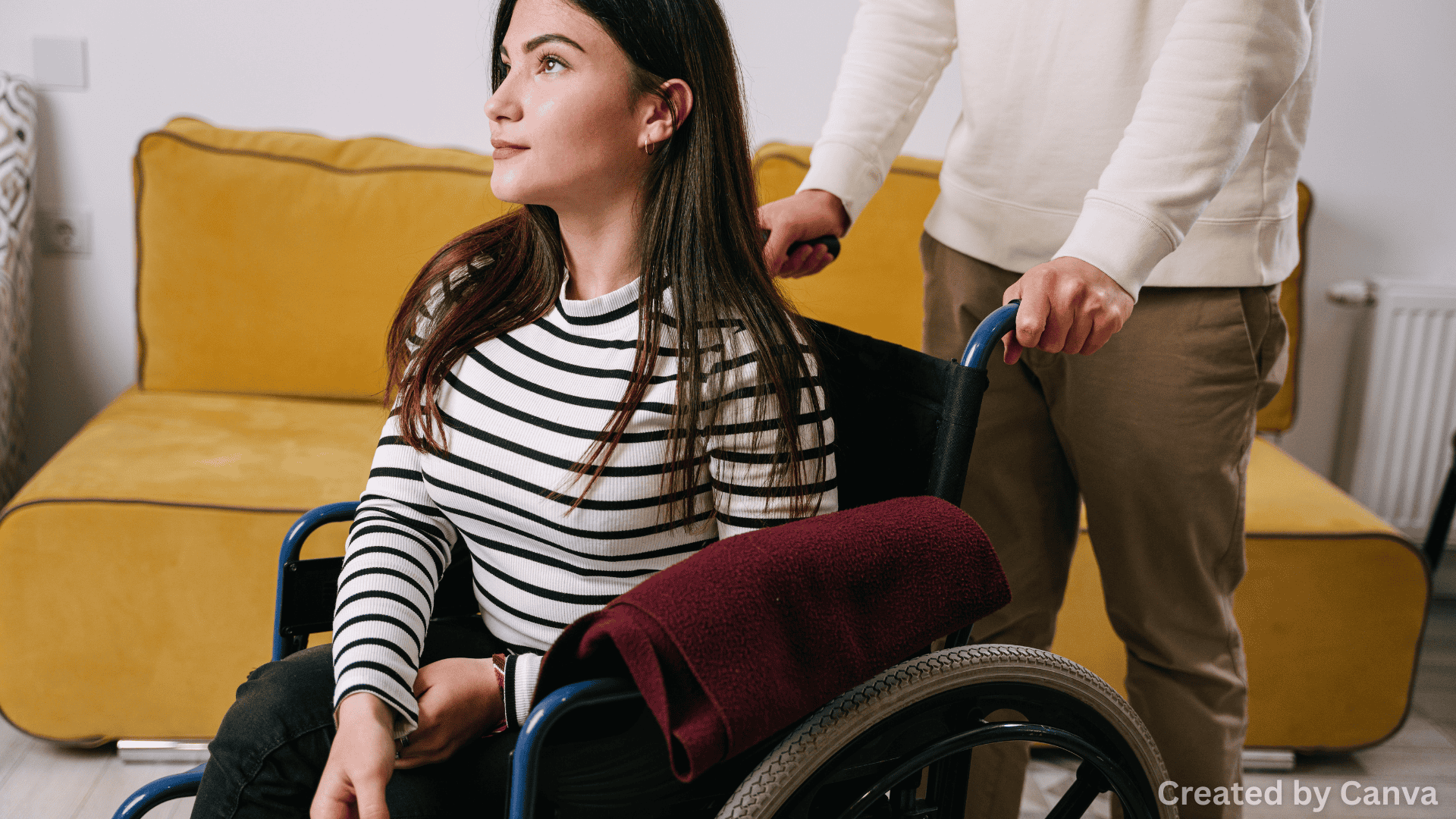
Grandparents who raise their grandchildren often notice problems with learning that weren’t noticed before. In kinship care for kids with learning disabilities, caregivers are both advocates and caregivers. This can feel strange, especially since school systems and special education terms have changed since they were parents.
Understanding Learning Disabilities
There are many types of learning disabilities. Dyslexia makes it hard for some kids to read. Some people have trouble focusing, organizing their work, or controlling their impulses. This is often a sign of ADHD. These problems don’t show how smart or hard you work. They just mean that a child learns differently and needs help that is specific to them.
The Importance of Early Identification

Finding out early makes a big difference. If your grandchild doesn’t want to read, forgets what you told them to do, or gets upset with schoolwork, it might be time to ask the school for an evaluation. Assessments help make strengths and needs clearer, which makes it possible for services like individualized education plans and accommodations in the classroom to be offered.
Creating a Supportive Home Environment
Grandparents can make their home a place that helps kids feel good about themselves. Do your homework in small parts. Make use of visual schedules. Read together for short periods of time. Instead of perfection, celebrate effort. Kids who have trouble in school often feel ashamed, especially if their family is broken up. They feel safe enough to try when they are at home in a calm, patient way.
Working With Schools and Teachers
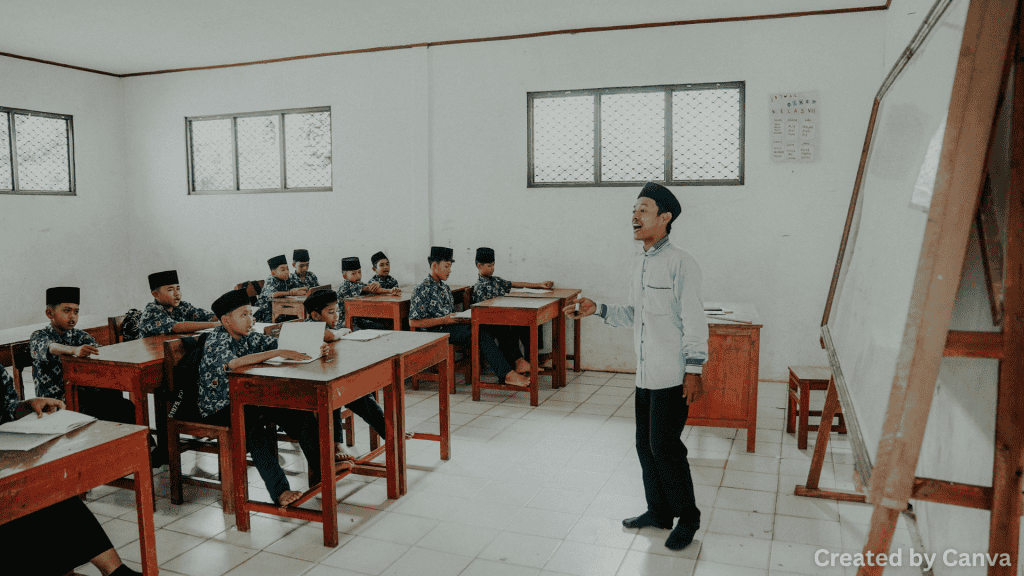
In kinship care for kids with learning disabilities, it’s important to talk to their teachers. During meetings, grandparents may need to speak up, ask questions, and check in often. Keeping notes and records helps you keep track of your progress. Many schools also have ADHD resources and reading help that you can ask for.
Emotional Support and Strength Building
Emotional support is just as important as academic help. Learning differences can have an impact on how you feel about yourself. Tell kids that everyone has their own strengths. Sports, art, music, or building projects may show talents that school doesn’t always show. These successes help you deal with frustration and build strength.
Questions and Answers
How can I tell if my grandchild has a learning disability?
If you or your child are having trouble with reading, writing, math, paying attention, or remembering things, it could be a sign of a problem. Teachers and doctors for kids can help you decide what to do next.
What does “dyslexia” mean?
Dyslexia is a learning disability that makes it hard to read and spell. With the right teaching, kids can learn to read well.
Where can I get information about ADHD?
Schools, pediatric clinics, and community programs can help with evaluations, behavior strategies, and schoolwork.
Can grandparents ask for help from the school?
Yes. People who care for children in kinship care can ask for evaluations and go to planning meetings.
What can I do to help at home?
Give them structure, support, and short practice sessions that focus on one thing. Give praise for hard work and progress.
Featured Image
Images are by Canva.com