
Families with kids who have emotional or behavioral issues often think they can’t deal with problems at school. To help Utah schools set up good behavioral support, you need to know about Utah’s school behavior plans and how working together can help. Schools should help kids whose behavior makes it hard for them to learn, but families and teachers need to talk to each other clearly and agree on what they want for the kids to be successful.
Starting the Conversation With the School
The first thing to do is talk to the school team. Parents and caregivers should ask teachers, counselors, or special education staff for a meeting to talk about certain problems. When parents talk about what they see at home, schools can see patterns that go beyond the classroom. When schools and families work together early on, it’s easier to make school behavior plans in Utah that deal with the root causes of problems instead of just the behaviors that are causing them.
Understanding Behavior Intervention Plans (BIPs)
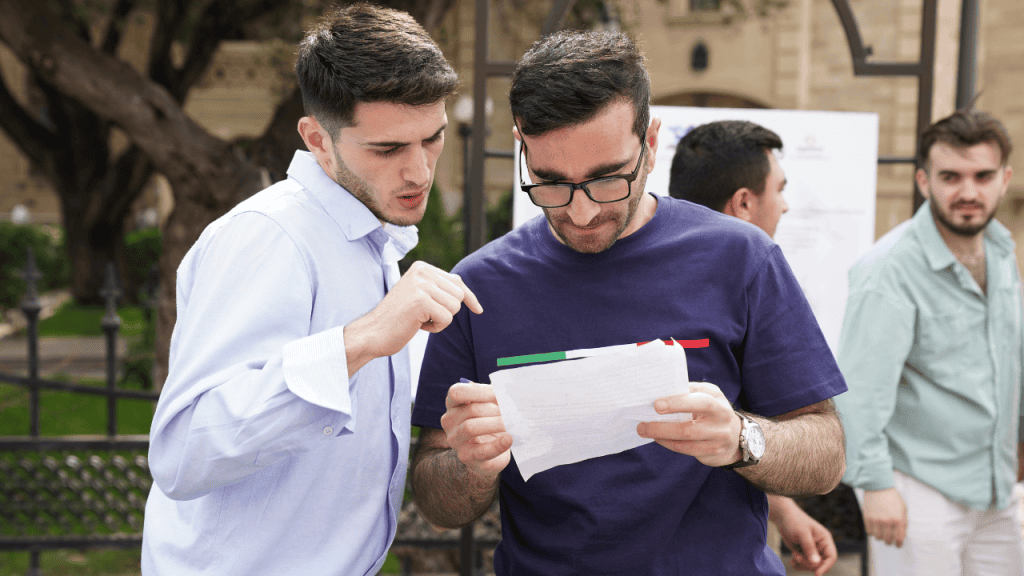
Behavior Intervention Plans, or BIPs, are a big part of this. The plans give each student specific strategies to follow, with an emphasis on stopping problems before they happen, building skills, and always responding in the same way. Schools usually make BIPs after they look at the behavior triggers and supports that are already in place. Families who ask questions and give feedback help make sure that the plan is based on what the child has really been through.
The Importance of Collaboration
Using collaborative strategies makes people behave better. Students feel safer and more stable when the rules at home and school are the same. Regular check-ins, progress reports, and shared changes help the plan stay on track over time. When caregivers feel like their voices are heard, they are more likely to push for changes that will help long-term growth.
Knowing Your Rights and Responsibilities

You should also know what your rights and responsibilities are. Schools have to follow state and federal rules when they help with behavior. Families who are well-informed can make better choices and make sure that services are given fairly. Respectful talk and clear writing keep the process focused on the students and make it work.
Questions and Answers
What are plans for behavior in school? Utah
Schools set up structured supports to deal with student behavior that gets in the way of learning or social growth.
When should a family ask for a BIP?
When repeated behavior problems affect academic progress or participation in class, it is okay to ask for help.
How can families help with BIPs?
Families can talk about how they act, what works at home, and give each other feedback all the time.
Why are strategies that involve working together important?
They make sure things are the same, help people talk to each other better, and make it more likely that people will change their behavior for the better.
Featured Image
Images Are By Canva