
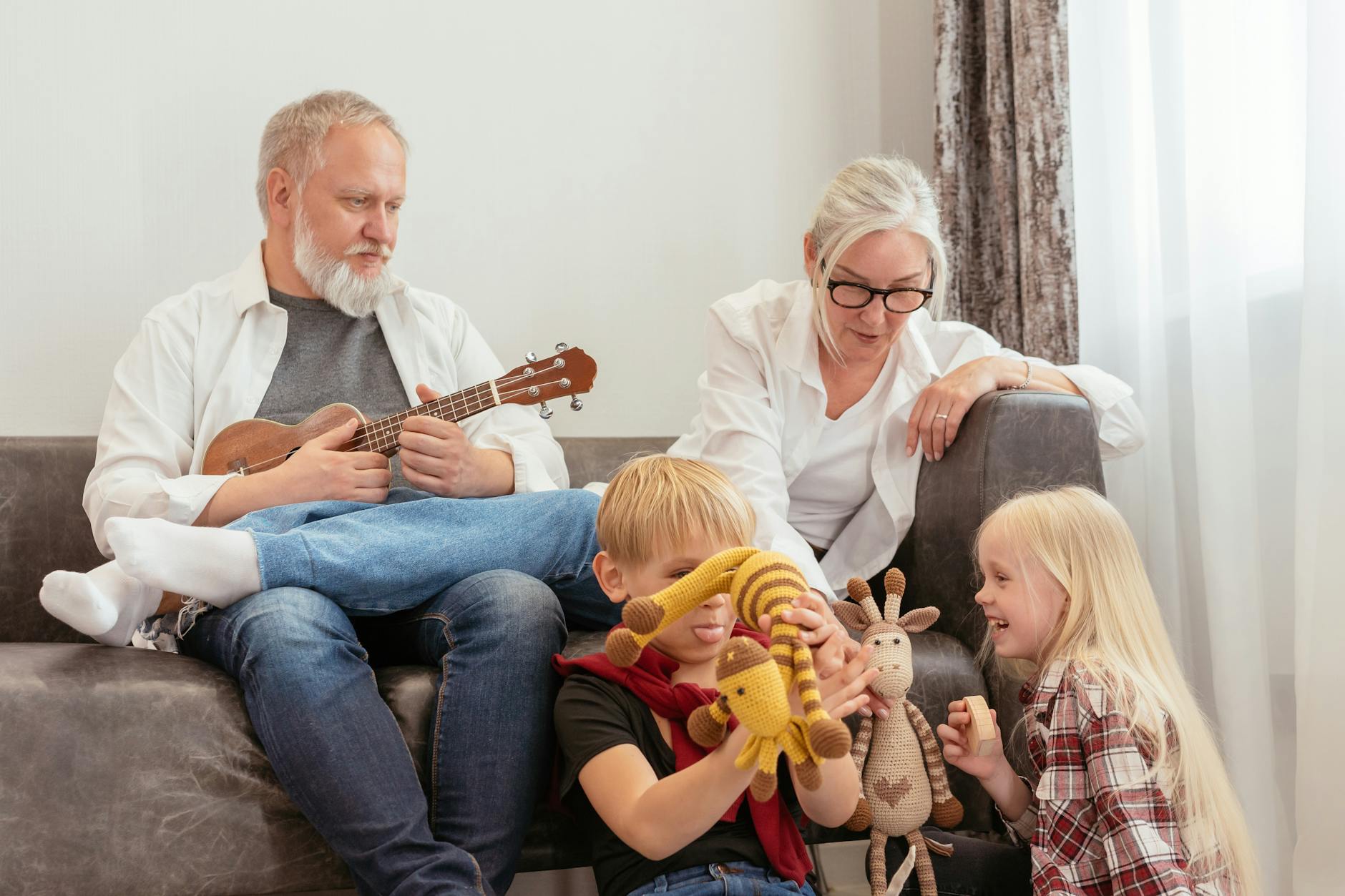
Adjusting grandchildren divorce can be a challenging experience for families, especially for grandparents who want to support their beloved grandchildren during this difficult time. As family dynamics change, it is essential to understand the impact of divorce on children and the unique role grandparents play in providing stability and love. This article offers a comprehensive guide for grandparents navigating the emotional landscape of divorce, focusing on helping kids adjust to their new circumstances. We will explore practical steps for adjusting grandchildren divorce, emphasizing how grandparents can be a source of comfort and guidance. Additionally, we will discuss resources that can aid grandparents in understanding family dynamics after divorce, ensuring they can effectively support their grandchildren. Whether you are looking for strategies to foster resilience or ways to maintain close relationships amid change, this guide is designed to help you navigate this journey with empathy and understanding. For more insights on the importance of family support during divorce, check out this piece from the American Psychological Association.
Understanding the Impact of Divorce on Children
Recognize Emotional Responses
Begin by acknowledging that children often experience a wide range of emotions during divorce. Feelings of confusion, sadness, anger, or even relief can surface. Follow these steps to help your grandchildren navigate these emotional responses:
- Encourage Open Communication: Create a safe space for your grandchildren to express their feelings. Ask open-ended questions to facilitate dialogue.
- Listen Actively: Pay attention to what they say without interrupting. Validate their emotions by acknowledging that it is okay to feel upset or confused.
- Be Patient: Understand that emotional responses can change day to day. Allow them the time they need to process their feelings.
- Provide Reassurance: Remind them that they are loved and that both parents will continue to be part of their lives, even if things feel different now.
Studies show that children may initially react with shock or denial, and it can take time for them to fully grasp the situation. According to research by the American Psychological Association, children’s emotional responses can significantly affect their adjustment, making the grandparents’ role in divorce crucial for support and understanding.
Acknowledge Changes in Family Dynamics During Adjusting Grandchildren Divorce
Understand that divorce reshapes family dynamics, impacting grandchildren in profound ways. Follow these steps to help them adjust:
- Identify New Family Structures: Explain the changes in family dynamics, such as living arrangements and visitation schedules. Make sure they understand that family can take many forms.
- Promote Stability: Keep routines consistent where possible. Children thrive on stability, which can help mitigate some of the stress associated with divorce.
- Encourage Relationships: Help them maintain strong connections with both parents and extended family members. This support network can ease feelings of isolation.
- Be a Source of Support: Offer your presence and understanding. Share your own experiences and feelings, as this can help normalize their emotions.
As you support your grandchildren during this transitional time, remember that helping kids adjust divorce requires patience and empathy. The changes in family dynamics divorce can be challenging, but your involvement can make a significant difference in their emotional well-being.
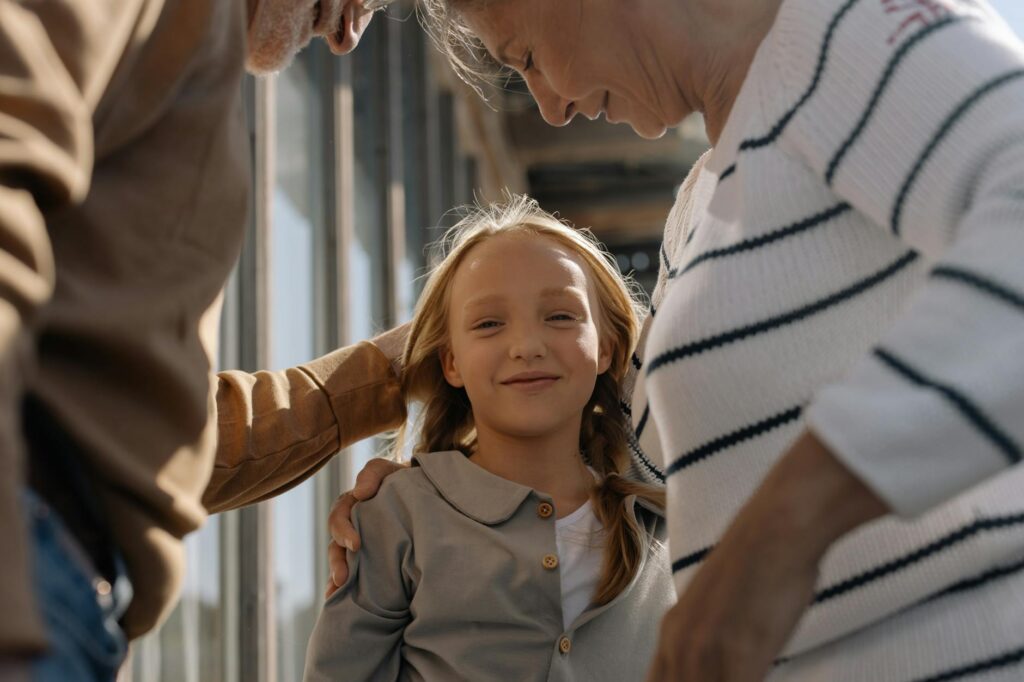
By actively engaging with your grandchildren and providing a stable foundation, you can foster resilience and understanding as they navigate their new reality. Adjusting grandchildren divorce is a process, but with your support, they can emerge stronger and more secure.
Steps for Adjusting Grandchildren Divorce
As a grandparent, your role in helping kids adjust to divorce is vital. Here are some practical steps to support your grandchildren through this challenging time, ensuring they feel loved and secure.
Create a Safe Space for Communication
- Designate a comfortable area in your home where your grandchildren can talk openly. Ensure it is free from distractions.
- Encourage your grandchildren to express their feelings. Let them know it’s okay to share their thoughts about the divorce without fear of judgment.
- Listen actively. Show empathy and understanding, validating their emotions and reassuring them that their feelings are normal.
Maintain Consistency in Routines
- Establish regular schedules for activities like meals, homework, and bedtime. Consistency helps provide a sense of stability amid family dynamics divorce.
- Incorporate familiar family traditions, such as game nights or weekend outings. These routines can be comforting and reinforce family bonds.
- Be flexible but consistent. While routines are important, adapt them as needed to accommodate the children’s emotions and needs.
Encourage Open Discussions About Feelings
- Ask open-ended questions during conversations. For example, “What do you think about what’s happening?” This invites them to share more than just yes or no responses.
- Share your own feelings in an age-appropriate way. Let them know you also feel sad or confused about the changes, which can help normalize their emotions.
- Introduce activities such as drawing or journaling to help them express their feelings creatively. Sometimes, children find it easier to communicate through art.
Involve Them in Family Decisions
- Include your grandchildren in discussions about family plans, such as holiday gatherings or family activities, to give them a sense of control and involvement.
- Encourage them to voice their opinions on what they want to do, ensuring they feel their thoughts are valued.
- Help them understand the changes. For example, explain why certain decisions are made, reinforcing that their input matters.
These steps are essential for adjusting grandchildren divorce and ensuring your grandchildren feel supported. Your involvement as a grandparent can greatly influence their ability to cope and thrive through this transition. By creating a nurturing environment, you play a crucial role in helping kids adjust to divorce, fostering resilience and emotional well-being.
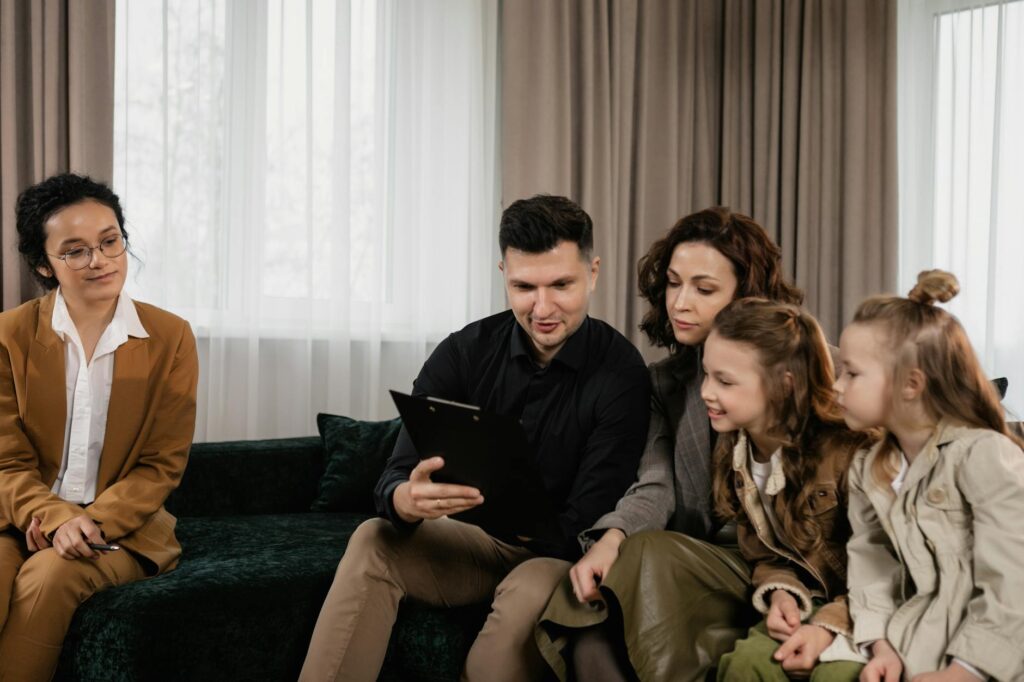
Grandparents’ Role in Divorce: Supporting Your Grandchildren
During a divorce, children often face emotional turmoil and uncertainty. As a grandparent, your involvement can be crucial for helping them navigate this difficult time. By being a reliable figure and providing support, you can significantly aid in adjusting grandchildren divorce. Follow these steps to ensure your grandchildren feel loved and secure.
1. Be a Listening Ear
Encourage open communication by being available to listen. Your grandchildren may feel more comfortable sharing their feelings with you than with their parents. Here’s how to do it:
- Set Aside Time: Schedule regular visits or calls to create a routine where they can express their thoughts.
- Practice Active Listening: Show empathy by nodding, maintaining eye contact, and reflecting their feelings back to them. This helps them feel understood.
- Avoid Judgment: Refrain from expressing negative opinions about their parents. This helps maintain a safe space for your grandchildren to share their feelings without fear of judgment.
2. Offer Practical Support
Being proactive in your support can alleviate some of the stress associated with family dynamics divorce. Consider these practical actions:
- Help with Logistics: Offer to pick up your grandchildren from school or extracurricular activities. This gives them a sense of normalcy amidst the chaos.
- Provide Stability: Create a stable environment at your home. Consistent routines can help your grandchildren feel more secure.
- Encourage Healthy Coping Mechanisms: Introduce them to activities such as art, sports, or reading. These can serve as healthy outlets for their emotions.
3. Promote Positive Relationships with Both Parents
For your grandchildren to adjust well to the divorce, it’s crucial they maintain healthy relationships with both parents. Here’s how you can facilitate this:
- Encourage Visits: Encourage your grandchildren to spend time with both parents. Remind them that love from both sides is essential.
- Support Communication: Help them with ways to communicate their feelings to each parent. This can be through letters, messages, or even face-to-face discussions.
- Be Neutral: Avoid taking sides or discussing the details of the divorce. Your role is to provide support for your grandchildren, not to influence their relationships.
By actively participating in their lives and fostering a supportive environment, you can play a significant role in helping kids adjust divorce. Your involvement can help them feel more secure and balanced during this challenging period. Remember, the goal is to be a steady presence as your grandchildren navigate their emotions and maintain connections with both parents.
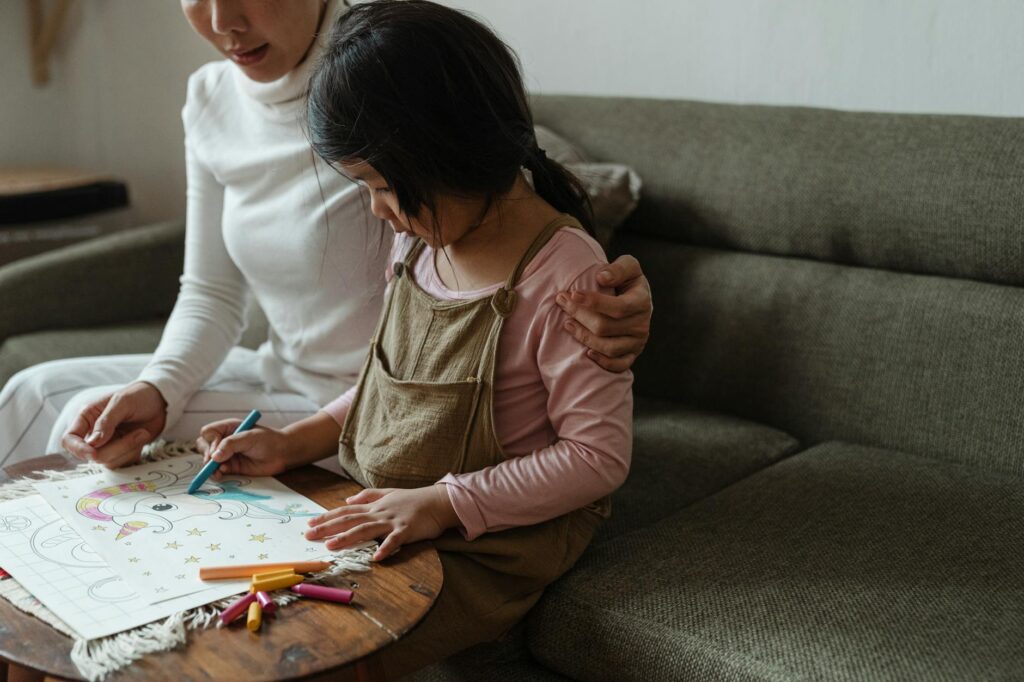
As you embrace the grandparents role in divorce, your support can make a world of difference in their emotional well-being and adjustment process. Your love and guidance will help them adapt to the new family dynamics, ensuring they feel cherished and understood during this transitional phase.
For more insights on this topic, explore Emotional Needs of Grandchildren Facing Divorce.
Resources for Grandparents Navigating Family Dynamics After Divorce
Books and Literature for Adjusting Grandchildren Divorce
Enhance your understanding of adjusting grandchildren divorce by exploring literature that addresses family dynamics after divorce. Here are some recommended books:
- The Grandparent’s Guide to Divorce by Joshua Coleman – This book offers insights specifically aimed at grandparents, detailing how they can support their grandchildren during this challenging time.
- Helping Kids Adjust to Divorce by Dr. John K. Pollard – A resource focused on the emotional and psychological aspects of divorce, providing strategies for grandparents to assist their grandchildren.
- Divorce and the Grandparent: A Guide for Helping Kids Adjust by Dr. Laura Markham – This book discusses the grandparents’ role in divorce and offers practical steps to foster emotional resilience in grandchildren.
Websites and Online Communities for Support
Utilize online resources to connect with other grandparents and gather strategies for helping kids adjust divorce. Check out these websites:
- Grandparents.com – A community-focused site that provides resources and articles specifically for grandparents navigating family dynamics divorce.
- DivorceCare – This website offers support groups and resources, including those tailored for grandparents.
- Parents.com – Offers articles and advice on divorce, including tips for grandparents on how to support their grandchildren.
Professional Help and Counseling Resources
Consider seeking professional help to navigate the complexities of adjusting grandchildren divorce. Here are some options:
- Family Counseling – Look for local family therapists who specialize in divorce. Websites like Psychology Today can help you find professionals in your area.
- Online Counseling Services – Platforms such as BetterHelp offer virtual counseling options that can be convenient for grandparents.
- Support Groups – Search for local or online support groups for grandparents affected by divorce. These can provide valuable peer support and resources.
By utilizing these resources, you can better understand the grandparents role in divorce and foster a supportive environment for your grandchildren. Remember, being proactive in seeking knowledge and assistance is key to effectively helping your grandchildren adjust during this challenging transition.
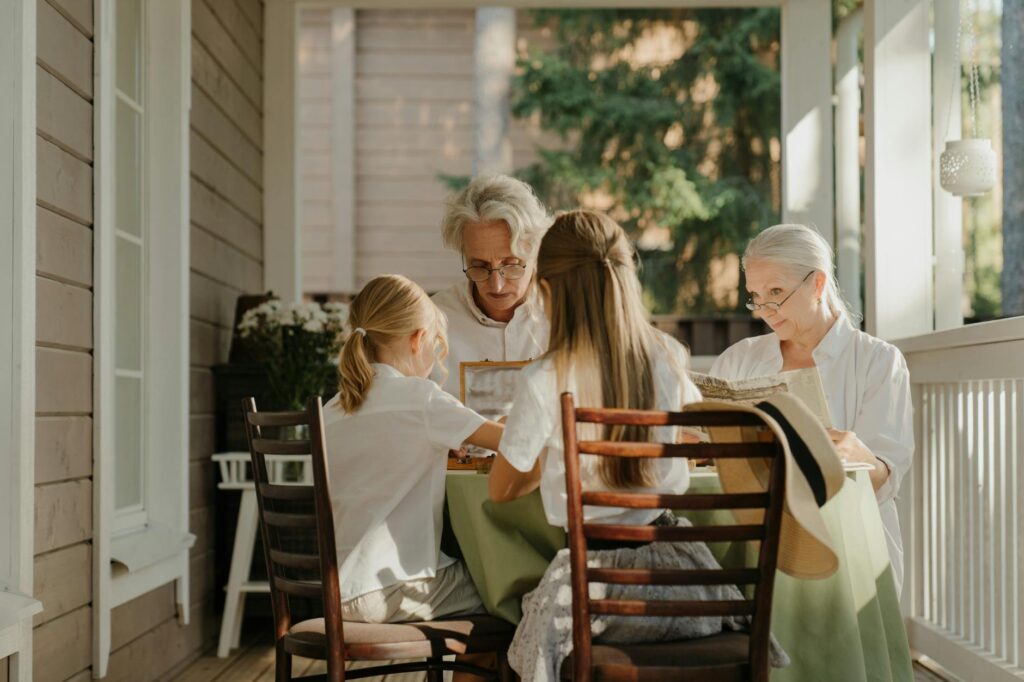
Adjusting grandchildren divorce can be a challenging journey for all involved, but grandparents have a unique and vital role in this process. By understanding the shifts in family dynamics divorce brings, you can better support your grandchildren as they navigate their emotions. Your involvement can significantly ease their transition, making it essential to maintain open communication and provide a comforting presence.
As you embark on this journey, remember that helping kids adjust divorce requires patience and understanding. Consider taking proactive steps, such as engaging in family activities or simply being there to listen. By fostering a nurturing environment, you can help your grandchildren feel secure during this tumultuous time. Reach out to local support groups or resources that focus on the grandparents role in divorce; they can offer valuable insights and guidance as you adapt to these new circumstances.
“`html
How can I help my grandchildren adjust to divorce?
Helping your grandchildren adjust to divorce involves offering emotional support and stability. Be a consistent presence in their lives, listen to their feelings, and validate their emotions. Encourage open communication, allowing them to express their fears and concerns. Engaging in activities they enjoy can also provide comfort and distraction. Additionally, maintaining routines can foster a sense of security during this unpredictable time. Remember, your role is vital in helping them navigate their feelings and adjust to the changes.
What are the signs that my grandchildren are struggling with divorce?
Signs that your grandchildren may be struggling with divorce include changes in behavior, such as increased anger, withdrawal, or sadness. You might notice difficulties in school, changes in sleep patterns, or a loss of interest in activities they once enjoyed. They may also express fears about their family situation or experience anxiety about the future. Pay attention to these cues, and consider discussing them with their parents or a professional who can provide guidance and support.
What resources are available for grandparents during a divorce?
Several resources can assist grandparents during a divorce. Support groups can provide a community of others facing similar challenges. Organizations like Grandparents.com offer advice and resources on navigating family dynamics after divorce. Counseling services can help both you and your grandchildren process emotions. Additionally, local libraries or community centers may have workshops or resources focused on helping families adjust to divorce.
How do family dynamics change after a divorce?
Family dynamics often shift significantly after a divorce. Relationships between family members can become strained, and roles may change. For instance, grandparents may find themselves taking on more caregiving responsibilities. Children may feel torn between parents, leading to confusion and stress. It’s essential to maintain open communication and provide a supportive environment to help everyone adjust to these changes. Understanding these dynamics can facilitate a smoother transition for all involved.
What is the role of grandparents in helping children adjust to divorce?
Grandparents play a crucial role in helping children adjust to divorce. They can provide emotional support, stability, and a sense of continuity amidst the changes. By actively listening and validating feelings, grandparents can help children express their emotions healthily. They can also serve as a safe space for children to share their thoughts and concerns. Additionally, maintaining regular contact and involvement in their lives reinforces a sense of belonging and security during this challenging time.
How can I communicate effectively with my grandchildren about divorce?
Effective communication with your grandchildren about divorce involves being open, honest, and age-appropriate. Start by creating a safe environment where they feel comfortable sharing their thoughts. Use simple language to explain the situation, avoiding unnecessary details that may confuse them. Encourage questions and be prepared to listen without judgment. Validate their feelings and reassure them that it is not their fault. Regularly check in with them to maintain ongoing dialogue and support as they process the changes.
“`