

Children who have been through trauma need a safe and stable home so they can heal and grow. For caregivers in kinship arrangements, making sure that kids feel safe, valued, and understood is very important for home safety kinship care.
A trauma-sensitive home starts with a space that is easy to understand and organized. Kids who come from unstable or dangerous places do better when they have clear schedules and places to play, do things, and relax. Cleaning up and making things quiet can help lower anxiety and things that make you anxious. It’s important to think about safety in every room, such as keeping dangerous things out of reach of children, making sure emergency contacts are easy to find, and more.
Emotional Safety in a Trauma-Sensitive Home

Emotional safety is equally important in trauma-sensitive home setups. Caregivers should help people talk to each other, believe what they say, and slowly build trust. Children who have been through trauma often do well with clear rules and consistency. Children feel safe and learn how to behave properly when there are clear rules and they are enforced with patience and understanding.
Building Supportive Relationships at Home
Building a safe home also means encouraging supportive relationships between the people who live there. When you include them in a thoughtful way, siblings, extended family members, and friends can be great sources of comfort. Caregivers should show empathy, listen actively, and calmly settle disagreements to strengthen these bonds and make people feel like they belong.
Ongoing Safety and Support in Kinship Care
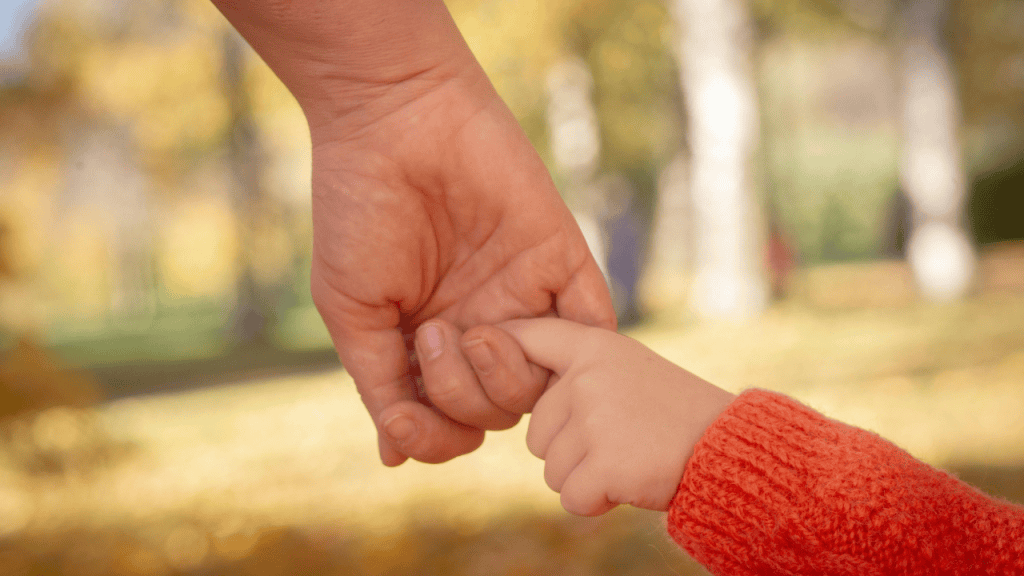
To keep kinship care safe at home, you need to check in and watch regularly. Caregivers can proactively change the home setup if they notice changes in behavior, mood, or sleep patterns that could mean unmet needs or triggers. Adding therapeutic supports, like counseling or social services, makes the environment safer and more stable overall.
Questions and Answers
What is kinship care for home safety?
Home safety kinship care means making sure that children in kinship placements are safe and supported, both physically and emotionally.
What can I do to make my home more trauma-sensitive?
A trauma-sensitive home setup includes clear routines, safe and tidy areas, emotional support, consistent rules, and being aware of things that might set off a person.
Why is it important for kids who have been through trauma to be consistent?
Consistency gives kids a sense of safety and helps them build trust and strength over time.
Can extended family help with care that is sensitive to trauma?
Yes, having family members who are supportive can make you feel safer emotionally and help you build healthy relationships at home.
Featured Image