
Many families today have members from different generations who live or work close to each other. Every generation has its own stories to tell based on the time and place they grew up in. Differences in culture between generations can affect how people interact with each other every day, especially in families where faith and tradition are important.
How Generations Are Made
Many older generations grew up in homes where family life was based on shared traditions and religious practices. They learned their values from having a stable routine and clear roles. Younger generations may have been affected by how quickly society changes, how technology changes, and how they are exposed to different cultures. These experiences affect how people think about their faith, family, and personal expression. When families know about these things, they can deal with differences with empathy instead of anger.
Values Passed Down and Reinterpreted

Values are often what makes different generations’ cultures different. Grandparents may stress tradition, respect, and consistency, while younger family members may stress being open to new ideas, being unique, and being included. Even though these values may seem to be at odds with each other, they often come from a shared need to belong and have a purpose. Talking openly about why some values are important can help people understand each other better and build respect.
Different Ways People Talk to Each Other Over Time
People from different age groups often talk to each other in very different ways. Older people may prefer face-to-face conversations and straightforward language, whereas younger individuals may favor digital communication and informal language. When people don’t agree on what they want, they can get confused. People can understand each other better and feel less stressed if they take the time to listen without interruption and ask questions to make things clearer.
Faith as a Common Thread
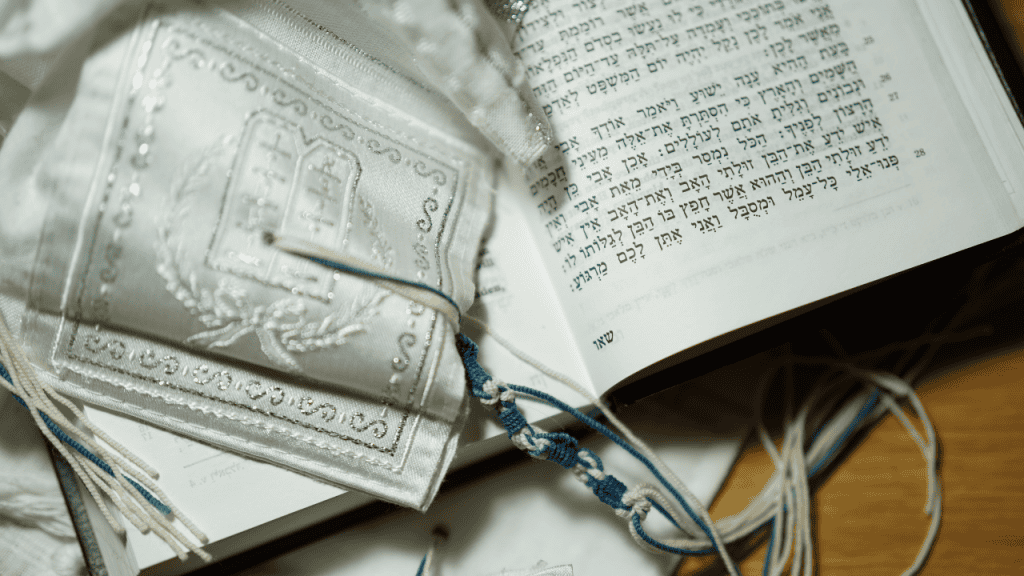
Faith can be a strong bond between people of different ages. People can still come together even if they do things or understand things in different ways. Families can have conversations, think about things, and share traditions that honor both old ways of doing things and new ways of thinking. People come together when they respect how each generation shows their faith instead of tearing them apart.
Making Family Relationships Stronger
You need to be patient, open-minded, and willing to learn from each other to deal with cultural differences between generations. Families can get closer and grow over time when they realize that their values and ways of talking to each other are different.
Questions and Answers
What are the cultural differences between generations?
The time when each generation grew up has had an effect on how they think, act, and see things.
What causes values to shift between generations?
Social norms, life experiences, and cultural changes that happen over time all affect values.
How can families improve the way they talk to each other?
You can learn more by listening, asking questions, and respecting other people’s choices.
Can faith help people of all ages get along?
Yes, sharing the same faith often brings people together and leads to good conversations.
How can grandparents help the kids and teens?
By being open-minded, giving advice without judging, and accepting that people can change their minds.
Featured Image
Images are by Canva.com