
Stepping into a parenting role after abuse or neglect can feel overwhelming, even for the most steady grandparents. Many children in kinship care have lived through chronic stress that changes how they see adults, relationships, and safety. The goal is not to erase what happened. The goal is to help grandchildren heal from the trauma grandfamily Utah families face by building predictable care, restoring trust, and connecting to the right supports.
Understanding Trauma in Kinship Care
Kinship care trauma often shows up as big emotions over small events, trouble sleeping, clinginess, aggression, or shutting down. A grandchild may seem mature one moment and much younger the next. These shifts are common when a child has learned to stay alert for danger. Your calm response helps teach their nervous system that home can be safe.
Signs That Abuse or Neglect May Still Be Affecting Them
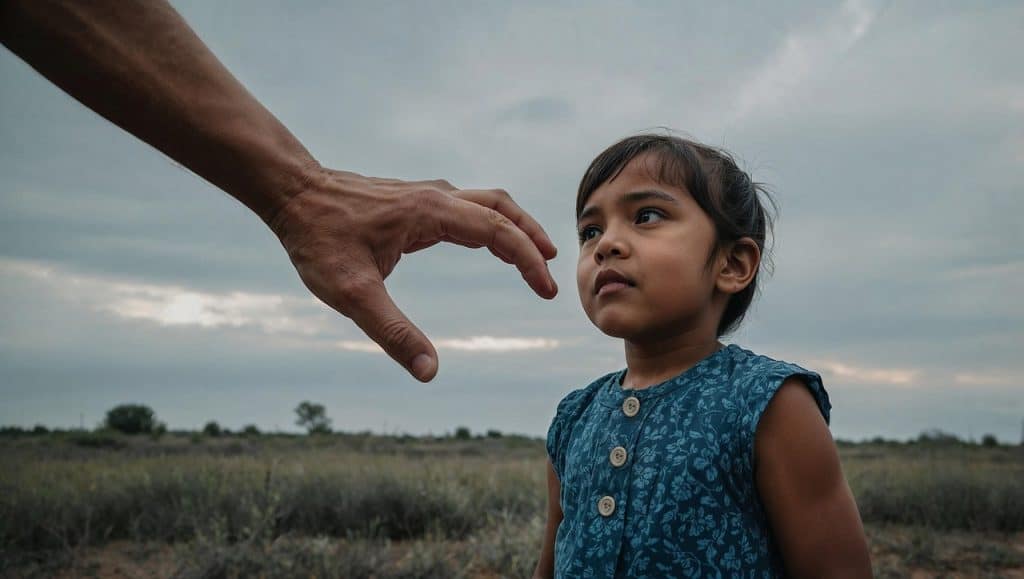
Signs of neglect can include hoarding food, eating quickly, hiding snacks, poor hygiene skills for their age, or fear of asking for what they need. Other trauma signals include frequent stomachaches, headaches, panic around separation, nightmares, and intense reactions to touch or loud voices. Some children become overly helpful or eager to please because they are trying to prevent conflict.
What Grandparents Can Do Day to Day
Consistency is powerful. Keep routines for meals, bedtime, school, and transitions. Use simple, clear rules and follow through without harshness. When a child melts down, start with safety and connection before correction. Name what you see, keep your voice low, and offer choices that feel manageable.
Watch for triggers. Certain dates, smells, songs, or locations can bring back memories. When you notice patterns, prepare your grandchild in advance and create a plan for breaks.
Give them control where it is appropriate. Let them choose clothes, snacks, or the bedtime story. Small choices rebuild confidence.
Professional Support and Community Resources

Many families benefit from childhood trauma support Utah providers offer, especially when symptoms are persistent or getting worse. Therapy for traumatized children often includes trauma-focused cognitive behavioral therapy, play therapy, or family work that teaches coping skills. Ask a pediatrician, school counselor, or local mental health clinic for referrals. If your grandchild has a caseworker, request a trauma-informed evaluation and services.
Take care of yourself too. Your steadiness matters, and caregiver stress can rise quickly when behaviors are intense.
FAQs
How do I know if my grandchild needs professional help?
If sleep, school, friendships, or daily functioning are consistently disrupted, or if you see self-harm talk, severe aggression, or ongoing fear, seek an evaluation.
What should I say when my grandchild talks about what happened?
Listen, stay calm, and thank them for trusting you. Avoid pressing for details. Tell them they are safe now and you will get help.
Can therapy make things seem worse at first?
Sometimes behaviors spike when feelings start to surface. A qualified therapist will pace treatment and teach coping skills early.
What grandparents can do when a child won’t accept comfort
Give people space, stay close, and always be there for them. Over time, connection grows through consistent care and gentle invitations.
Featured Image
Images are by Canva.com