
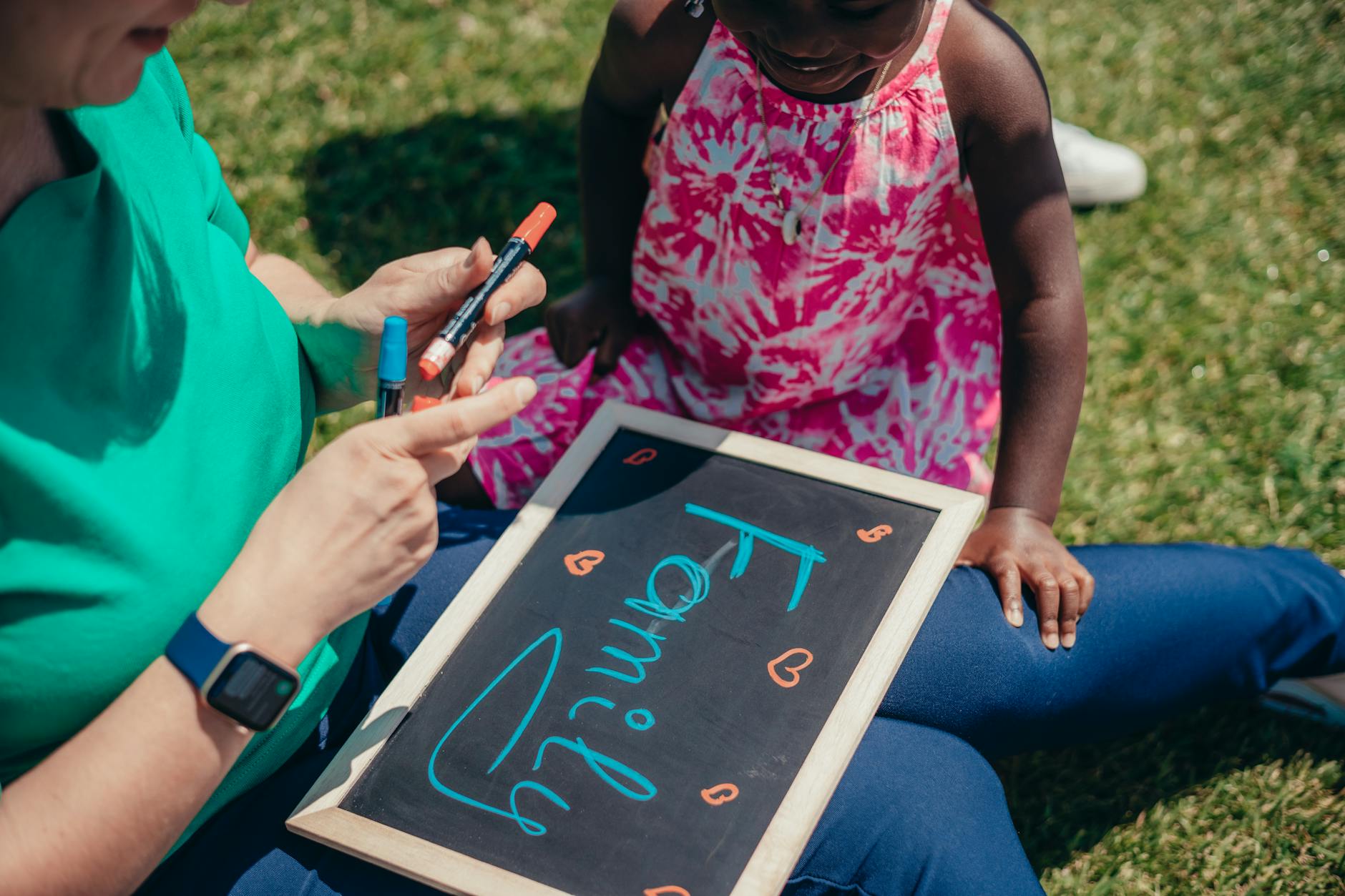
Utah foster care grandfamilies are a vital part of the state’s commitment to providing loving homes for children in need. As more grandparents step up to become foster parents, understanding the foster care process in Utah becomes essential for these unique families. This article will guide you through the intricacies of navigating the system, from the initial steps of kinship placement in Utah to the challenges that may arise along the way. We will explore the specific hurdles faced by Utah foster care grandfamilies and highlight the resources available to support grandparents as foster parents. Additionally, we will share inspiring success stories of families who are thriving in their roles, demonstrating that love and resilience can create a nurturing environment for children. Whether you are a grandparent considering fostering or a community member looking to support these families, you’ll find valuable information and encouragement throughout this article.
Understanding Utah Foster Care Grandfamilies
Grandfamilies, often referred to as kinship families, are those where grandparents or other relatives take on the responsibility of raising their grandchildren or other family members. In the context of Utah’s foster care system, Utah foster care grandfamilies play a vital role in providing stability and love for children who may need a safe and nurturing environment. These families fit into the broader foster care framework, often serving as a preferred option when children cannot remain in their biological homes.
What is a Grandfamily?
A grandfamily typically involves grandparents as foster parents, who step in to raise their grandchildren when parents are unable to do so due to various circumstances, such as substance abuse, mental health issues, or incarceration. This arrangement allows children to maintain familial bonds, offering them a sense of security and connection during challenging times.

The Importance of Kinship Placement in Utah
Kinship placement in Utah is a significant component of the foster care process Utah aims to prioritize. Research indicates that children placed with relatives tend to experience fewer behavioral issues and better academic outcomes compared to those placed in non-relative foster homes. This is largely due to the familiarity and emotional connection that relatives provide, which can ease the trauma of separation from their parents.
Additionally, kinship placements often help maintain cultural and familial traditions, ensuring children remain connected to their heritage. Utah’s foster care system recognizes the importance of these placements and actively supports grandparents and other relatives who step up to care for their loved ones. This support can include financial assistance, training, and resources tailored to help grandparents navigate the challenges of fostering.
Overall, Utah foster care grandfamilies embody resilience and love, providing essential care for vulnerable children. By understanding and supporting these unique family structures, we can create a more compassionate and effective foster care system in Utah.
The Foster Care Process in Utah for Grandfamilies
For many grandparents looking to provide stability and support to their grandchildren, navigating the foster care process in Utah can be both rewarding and challenging. As Utah foster care grandfamilies, these caregivers can play a crucial role in maintaining family connections while ensuring the best possible outcomes for the children. This section outlines the essential steps and requirements for grandparents as foster parents in Utah.
Steps to Become a Foster Parent
Becoming a licensed foster parent in Utah involves a series of steps designed to ensure the safety and well-being of children. Here’s a simplified breakdown of the foster care process Utah specifically for grandparents:
- Attend an Orientation: Start by attending an orientation session offered by the Utah Division of Child and Family Services (DCFS) or a licensed foster care agency. This session provides valuable information about the foster care system and what is expected of foster parents.
- Complete an Application: After orientation, you will need to complete a detailed application that outlines your background, family dynamics, and reasons for wanting to become a foster parent.
- Background Checks: All prospective foster parents, including grandparents, must undergo thorough background checks, including criminal history and child abuse registry checks.
- Home Study: A home study will be conducted to assess your living situation, family relationships, and readiness to foster. This process includes interviews and home visits.
- Training: Complete the required training programs that cover important topics such as child development, trauma-informed care, and parenting skills.
- Placement: Once approved, you will be eligible for kinship placement Utah, allowing you to foster your grandchildren or other relatives in need.
Requirements for Grandparents
As grandparents seeking to become foster parents, there are specific requirements to keep in mind:
- Age: You must be at least 21 years old.
- Stable Income: Demonstrating a stable source of income is crucial to ensure you can support the child.
- Health Assessment: You may need to provide documentation of your physical and mental health, ensuring you are fit to care for a child.
- Home Safety: Your home must meet safety standards as determined by the home study, including child-proofing and adequate space.
- Willingness to Participate: Be prepared to engage in ongoing training and participate in court processes as required.
By following these steps and meeting the necessary requirements, grandparents can successfully navigate the foster care process in Utah, ultimately providing a nurturing environment for their grandchildren. For more detailed information, please refer to the Utah Division of Child and Family Services.

Challenges Faced by Utah Foster Care Grandfamilies
Utah foster care grandfamilies experience a unique set of challenges as they navigate the complex foster care system. As grandparents step into the role of primary caregivers, they often face emotional and financial strains, alongside significant legal considerations.
Emotional and Financial Challenges
Taking in grandchildren can evoke a mix of emotions for grandparents. Many feel a deep sense of responsibility, knowing that their grandchildren are in a vulnerable situation. This emotional burden can be stressful, especially if the children are coming from traumatic backgrounds. Additionally, grandparents may experience feelings of loss, as they must shift their roles from enjoying retirement or their own independence to becoming full-time caregivers.
Financially, the situation can be daunting. Grandparents often find themselves unprepared for the costs associated with raising children again. The financial support for kinship placements in Utah may not cover all expenses, leading to unexpected strains on their budgets. Many grandfamilies may need to research available resources, including state assistance programs, to help alleviate these burdens and ensure their grandchildren’s needs are met.
Legal Considerations for Utah Foster Care Grandfamilies
Grandparents as foster parents must also navigate a complicated legal landscape. Establishing guardianship or custody can be a lengthy process fraught with challenges. Depending on the situation, grandparents may need to pursue formal guardianship, which involves a legal process that can be both time-consuming and costly. Understanding the guardianship laws in Utah is essential for ensuring that their rights and the rights of the children are protected.
Moreover, it’s crucial for grandfamilies to be aware of the foster care process in Utah, as this knowledge can empower them to advocate effectively for their grandchildren. Resources are available through local organizations that specialize in kinship placement in Utah, offering guidance and support throughout the legal proceedings.

By addressing these emotional, financial, and legal challenges, Utah foster care grandfamilies can better prepare for the journey ahead, ensuring a stable and loving environment for their grandchildren.
Resources and Support for Grandparents as Foster Parents
As the landscape of foster care evolves, Utah foster care grandfamilies are increasingly recognized for their unique needs and challenges. Grandparents stepping into the role of foster parents often require specialized resources and support to navigate this complex system. Fortunately, various local and state programs exist to aid these dedicated caregivers in the foster care process in Utah.
Local and State Resources
Utah offers numerous resources aimed specifically at supporting grandparents as foster parents. The Utah Division of Child and Family Services (DCFS) provides information on kinship placement in Utah, helping relatives like grandparents understand the necessary steps to become licensed foster parents. This includes training programs that equip caregivers with the knowledge they need to provide a stable environment for their grandchildren.
Additionally, the Grandfamilies Initiative is a state program dedicated to supporting grandfamilies, offering resources like legal aid, financial assistance, and educational workshops. These resources are invaluable for grandparents navigating the foster care process in Utah, ensuring they have access to the information and support they need.
Support Groups and Community Initiatives for Utah Foster Care Grandfamilies
Joining a support group can be incredibly beneficial for grandparents as foster parents. Organizations like AARP provide networks for grandfamilies, offering a space to share experiences, challenges, and solutions. Many local community centers also host regular meetings for kinship families, creating a sense of belonging and shared understanding.
Community initiatives, such as the Utah Foster Care Foundation, work to connect grandparents with resources, training, and peer support. These initiatives help foster a strong support network, empowering grandfamilies to navigate the complexities of the foster care system together.
For those interested in legal advice regarding kinship placement in Utah, legal aid organizations are available to assist with custody arrangements and related issues. This support is crucial to ensure that grandparents can focus on providing a loving home without the added stress of legal uncertainties.
By leveraging these resources, Utah foster care grandfamilies can find the assistance they need to thrive and ensure a nurturing environment for their grandchildren.

Success Stories: Thriving as a Utah Foster Care Grandfamily
Inspiring Examples of Utah Foster Care Grandfamilies
Many grandfamilies in Utah have successfully navigated the complexities of the foster care system, showcasing resilience and love. One such family is the Johnsons, who stepped in to care for their three grandchildren after their daughter faced challenges. By embracing the foster care process in Utah, they not only provided a stable home but also became advocates for other grandfamilies. Their experience highlights the importance of accessing resources and community support, which they found through local foster care organizations.
Another inspiring story comes from the Parkers, who became grandparents as foster parents to their two granddaughters. They utilized kinship placement in Utah to ensure a smoother transition for the children, allowing them to remain close to family. The Parkers shared how vital it was to connect with other kinship families, fostering a sense of community and shared understanding. Their commitment to education and emotional support has positively impacted their granddaughters’ lives, demonstrating the profound influence of grandfamilies in the foster care system.

Tips for Success for Utah Foster Care Grandfamilies
For those looking to thrive as Utah foster care grandfamilies, here are some actionable tips:
- Educate Yourself: Familiarize yourself with the foster care process in Utah. Understanding the legal and emotional aspects can empower you to make informed decisions.
- Build a Support Network: Connect with other grandfamilies and local resources. Support groups can provide invaluable insights and emotional backing.
- Stay Informed: Keep up with training opportunities offered by local agencies. Learning about trauma-informed care can benefit your grandchildren immensely.
- Communicate Openly: Encourage open discussions with your grandchildren about their feelings and experiences. This helps build trust and emotional security.
- Seek Professional Guidance: Don’t hesitate to reach out to counselors or therapists specializing in family dynamics, especially for children adjusting to new living situations.
By following these strategies, Utah foster care grandfamilies can create nurturing environments that not only support their grandchildren but also foster their own emotional well-being. Together, they can thrive in this rewarding journey of caregiving.
Understanding the foster care process in Utah can empower grandparents as foster parents to navigate challenges effectively. For many, the journey into kinship placement in Utah represents not just a legal transition but a heartfelt commitment to family. With the right resources and support, Utah foster care grandfamilies can thrive, ensuring a nurturing environment for children who need it most.
If you’re a grandparent considering this path, take the first step by reaching out to local agencies that specialize in foster care. They can provide guidance tailored to your situation and help you connect with other families on a similar journey. By leveraging community support and understanding the available resources, you can create a loving home for your grandchildren while also fostering resilience and stability in their lives.
“`html
What is the process for grandparents as foster parents in Utah?
The process for grandparents as foster parents in Utah begins with understanding the state’s foster care requirements. Interested grandparents must complete an application, undergo background checks, and participate in training sessions. Afterward, they will be assessed to ensure they can provide a safe and nurturing environment for the child. It is essential to familiarize yourself with the foster care process in Utah, as it includes several steps to ensure the best outcomes for children.
How do I apply for kinship placement in Utah?
To apply for kinship placement in Utah, you need to contact the Utah Division of Child and Family Services (DCFS). They will provide you with the necessary application forms and guide you through the process. You may also need to submit documents proving your relation to the child and your ability to care for them. Understanding the kinship placement process in Utah is crucial for a smooth application experience.
What support is available for grandfamilies in Utah?
Utah foster care grandfamilies can access various support services, including financial assistance, counseling, and respite care. Programs specifically designed for grandparents raising grandchildren are available through local organizations and state agencies. Additionally, support groups can provide emotional and social assistance to help navigate the challenges of fostering. Finding the right resources can significantly enhance the experience for both grandparents and children.
What challenges do grandfamilies face in the foster care system?
Grandfamilies often face unique challenges within the foster care system, including financial strain, emotional stress, and navigating complex legal requirements. They may also experience difficulties in accessing resources tailored for their specific needs. Additionally, the transition of taking on a parental role later in life can be overwhelming. Awareness of these challenges can help in seeking the right support and guidance through the foster care process in Utah.
Are there specific requirements for grandparents as foster parents?
Yes, there are specific requirements for grandparents wishing to become foster parents in Utah. They must be at least 21 years old, pass background checks, and demonstrate financial stability. Additionally, they need to complete training programs designed to prepare them for the responsibilities of fostering. Meeting these requirements ensures that grandparents can provide a safe and nurturing environment for the children in their care.
How can I find resources for Utah foster care grandfamilies?
Finding resources for Utah foster care grandfamilies can be done through several channels. The Utah Division of Child and Family Services offers information on services and support available to grandfamilies. Additionally, local nonprofits and community organizations often provide resources, including financial aid, support groups, and educational workshops. Online searches for specific services in your region can also yield helpful results.
“`