
Encouraging healthy relationships between grandchildren and parents post-divorce is essential for nurturing emotional well-being and stability in families. Divorce can create rifts that impact not only the parents but also the children and grandparents. This article provides a comprehensive, step-by-step guide to fostering healthy relationships between grandchildren and parents after a divorce, focusing on practical strategies that can help bridge any gaps. We will explore the grandparents’ role post-divorce in supporting family connections, ensuring that they remain a vital part of the support system. Additionally, we will discuss ways to enhance supporting parent-child relationships to ensure that children feel loved and secure despite the changes in their family dynamics. By implementing these strategies, families can cultivate an environment of understanding and cooperation, allowing healthy relationships to flourish even in challenging circumstances. For more insights on maintaining family ties, check out resources from NCBI and APA.
Fostering Healthy Relationships Between Grandchildren and Parents After Divorce
Maintaining healthy relationships between grandchildren and their parents after a divorce is crucial for emotional well-being. Divorce can significantly impact family dynamics, creating challenges for both parents and children. Grandparents often play a pivotal role in supporting these relationships, helping to bridge the gap created by separation. To foster open and loving interactions, follow these steps:
1. Understand the Impact of Divorce on Family Dynamics
Recognize that children may experience a range of emotions during and after a divorce. They might feel confused, sad, or even angry. Acknowledge these feelings and encourage open communication about them. Use the following strategies:
- Listen Actively: Pay attention to what your grandchildren express about their feelings regarding the divorce. Validate their emotions and reassure them that it’s normal to feel a mix of things.
- Educate Yourself: Familiarize yourself with the emotional stages of children during divorce. Resources like American Psychological Association can provide valuable insights.
- Support Parents: Encourage parents to remain present and actively involved in their children’s lives, as this can help maintain stable and nurturing environments.
2. Create a Supportive Environment for Family Interaction
Establishing a safe and welcoming atmosphere is essential for encouraging family relationships post-divorce. Here are steps you can take:
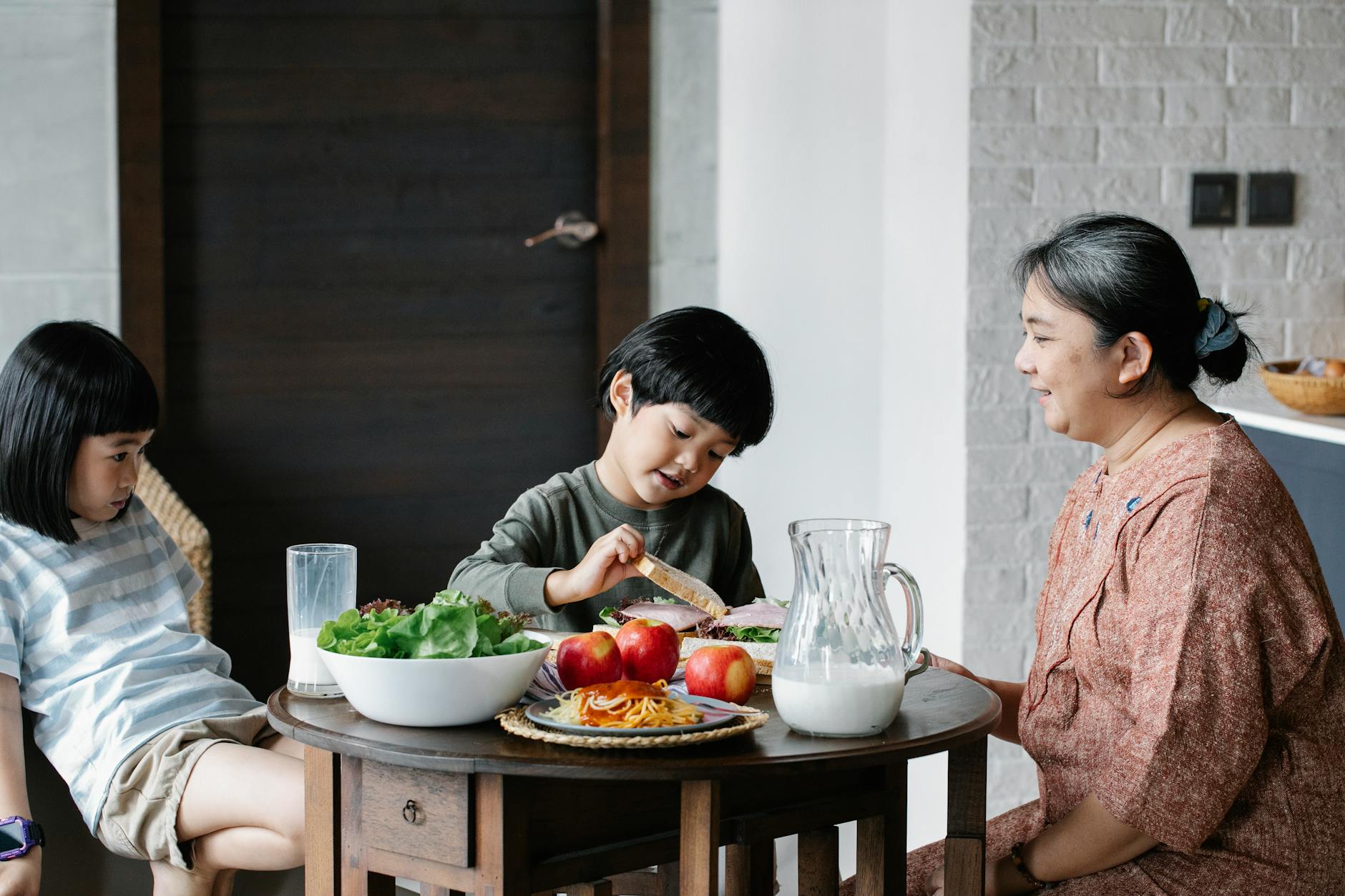
- Organize Family Gatherings: Plan regular family get-togethers where grandparents, parents, and grandchildren can bond. Activities like shared meals or outings can foster connections.

Photo by Tima Miroshnichenko on Pexels - Encourage Positive Communication: Promote healthy dialogue between grandchildren and their parents. Teach them to express their thoughts and feelings respectfully.
- Be a Mediator: If tensions arise, step in gently to mediate conflicts. Your role as a grandparent can help ease misunderstandings and facilitate healthier interactions.
By implementing these strategies, you can effectively support parent-child relationships and encourage healthy relationships between grandchildren and their parents after divorce. Your involvement can make a significant difference in helping families heal and grow together. Remember, fostering these connections takes time and patience, but the outcome will be a more harmonious family dynamic for everyone involved.
For more guidance on navigating family relationships during challenging times, explore Utah Grandparents Support During Divorce: Essential Tips.
Step-by-Step Guide to Encouraging Healthy Relationships Between Grandchildren and Parents Post-Divorce
Step 1: Communicate Openly with All Parties Involved
Initiate conversations with both parents and grandchildren to ensure everyone feels heard and understood. Use active listening techniques, such as summarizing what you’ve heard and asking open-ended questions. This will foster trust and openness among all parties. Regular check-ins can help maintain communication and address any emerging concerns.
Step 2: Encourage Quality Time Together
Facilitate opportunities for grandchildren and their parents to spend quality time together. Suggest activities that cater to their interests, such as going to the park, playing games, or cooking meals together. Aim for regular, scheduled interactions to strengthen their bond and create lasting memories.
Step 3: Be a Mediator When Necessary
Act as a neutral party if conflicts arise between parents and children. Help mediate discussions by encouraging respectful communication and understanding each other’s perspectives. Your role as a grandparent can be pivotal in bridging gaps and promoting harmony in family dynamics.
Step 4: Promote Positive Interactions
Highlight and celebrate positive moments between grandchildren and parents. Reinforce good behavior by acknowledging their efforts to communicate and spend time together. Share encouraging words and express gratitude for their relationship, underscoring the importance of supporting parent-child relationships.
Step 5: Set Boundaries and Respect Space
Establish clear boundaries to ensure that everyone’s needs are respected. Discuss what is acceptable and what isn’t, particularly regarding time spent together and individual privacy. Encourage grandchildren to voice their feelings and preferences, as this will help in maintaining healthy relationships post-divorce.
Step 6: Foster Open Communication with Grandchildren
Encourage grandchildren to express their emotions and thoughts about the divorce and their relationships. Create a safe space for them to share how they feel about their parents, and reassure them that their feelings are valid. This open communication will support them in navigating their emotions while also enhancing healthy relationships between grandchildren and parents post-divorce.
By actively engaging in these steps, you will play a crucial role in fostering healthy relationships between grandchildren and parents after a divorce. Your involvement can significantly contribute to creating a supportive family environment that encourages understanding and connection.

The Grandparents Role Post-Divorce in Supporting Family Connections
Encouraging Healthy Relationships Between Grandchildren and Parents After Divorce
Grandparents can play an essential role in fostering healthy relationships between grandchildren and parents post-divorce. They can act as a bridge between the two, helping to maintain familial bonds during a challenging time. Here are steps to ensure your involvement is impactful:
- Initiate Family Activities
- Plan regular family gatherings. Schedule monthly dinners, game nights, or outdoor outings that include both parents and grandchildren.
- Encourage collaborative projects, such as family scrapbooks or gardening, where everyone can contribute and bond.
- Involve the grandchildren in creating activities that they enjoy, ensuring that everyone feels included and engaged.
- Facilitate Open Communication
- Encourage both parents to communicate openly with one another. Share constructive feedback and help them understand each other’s perspectives.
- Offer to mediate discussions if conflicts arise, ensuring a calm and supportive atmosphere.
- Create Lasting Traditions
- Establish new family traditions that can thrive despite the divorce. For example, a yearly family vacation or holiday traditions to celebrate together.
- Document these traditions in a family calendar, and encourage all family members to participate.
Being a Source of Stability and Support
Grandparents can also provide much-needed stability during this transitional phase. Here’s how you can be a reliable source of support:
- Be Present
- Attend school events, sports games, or other significant occasions in your grandchildren’s lives, showing them that you are consistently there for them.
- Maintain a routine of regular visits or calls, ensuring that your grandchildren feel secure and loved.
- Offer Emotional Support
- Listen actively when grandchildren express their feelings about the divorce. Validate their emotions and provide reassurance.
- Share your experiences or offer advice when appropriate, helping them navigate their feelings and adjust to the new family dynamics.
- Encourage Positive Relationships
- Promote healthy interactions between grandchildren and their parents. Remind them of the importance of maintaining connections, despite the divorce.
- Provide praise when they engage positively with each other, reinforcing the value of their relationship.
By following these steps, you can significantly influence the dynamics of family relationships during and after divorce. Your role as a grandparent is crucial in supporting parent-child relationships and ensuring that the love and warmth of family remain intact, ultimately fostering encouraging family relationships that thrive.

Conclusion: The Importance of Healthy Relationships Between Grandchildren and Parents Post-Divorce
Healthy relationships between grandchildren and parents after a divorce are essential for emotional well-being and family cohesion. To foster these connections, follow these key steps:
- Recognize the Emotional Impact: Understand that divorce can bring significant emotional challenges for all family members. Acknowledge the feelings of both the parents and the grandchildren to create a supportive environment.
- Encourage Open Communication: Facilitate conversations between grandchildren and parents. Encourage them to express their thoughts and feelings openly, which can strengthen their bond and build trust.
- Promote Positive Interactions: Organize family activities that allow for positive engagement, such as game nights or outings. These moments create cherished memories that reinforce healthy relationships.
- Support Parent-Child Relationships: Actively encourage parents to spend quality time with their children. This is crucial for maintaining strong connections after a divorce, as it helps children feel loved and valued.
- Emphasize Grandparents’ Role Post-Divorce: Grandparents can play a pivotal role in bridging the gap between parents and grandchildren. Offer emotional support, share wisdom, and maintain a nurturing presence in the family.
- Set Boundaries and Respect Privacy: While engagement is important, ensure there are boundaries to respect personal space and privacy. This helps reduce stress and fosters healthier interactions.
By implementing these strategies, families can cultivate healthy relationships between grandchildren and parents post-divorce. Research shows that strong family connections can significantly improve children’s emotional health and resilience, which is vital during transitional periods like divorce. According to a study by the American Psychological Association, children who maintain strong ties with both parents tend to have better outcomes.
Encouraging family relationships is fundamental for rebuilding trust and stability in a family affected by divorce. As a grandparent, your involvement can be a stabilizing force, providing the necessary support for both parents and grandchildren. Focus on nurturing relationships, fostering communication, and creating a loving environment to ensure that everyone feels connected and valued.
Ultimately, promoting healthy relationships between grandchildren and parents post-divorce is not just beneficial for the individuals involved; it enhances the family’s overall dynamic and resilience. Cherish these relationships and work towards a harmonious family environment, where love and support prevail.
Building healthy relationships between grandchildren and parents post-divorce is essential for creating a supportive family environment. Encouraging family relationships can foster resilience in children, helping them navigate the complexities of family changes. Grandparents play a crucial role in this dynamic, serving as a bridge between parents and grandchildren, and offering love and stability during a potentially tumultuous time.
Supporting parent-child relationships is vital in ensuring that children feel secure and connected. By promoting open communication and understanding, families can work together to establish healthy boundaries and nurture positive interactions. As a next step, consider initiating family gatherings or discussions that prioritize cooperation and empathy, allowing everyone to express their feelings and strengthen bonds. This proactive approach can lead to lasting benefits for grandchildren and parents alike.
“`html
How can I help my grandchildren maintain a relationship with their parents after divorce?
You can assist your grandchildren by encouraging open communication with their parents. Regularly remind them of the importance of family connections and suggest ways to stay in touch, such as phone calls, video chats, or visits. Create a supportive environment where your grandchildren feel comfortable discussing their feelings about the divorce, and reinforce that both parents love them. This approach fosters healthy relationships between grandchildren and parents post-divorce.
What role do grandparents play in supporting parent-child relationships post-divorce?
Grandparents often act as a stabilizing force during challenging times like divorce. They can provide emotional support to both their grandchildren and the parents, helping to maintain a sense of family unity. By encouraging regular interactions between grandchildren and parents, grandparents can promote healthy relationships. Additionally, they can offer guidance and reassurance, ensuring that children feel loved and valued by both sides of the family.
How can I encourage healthy family relationships in a divorced family?
Encouraging healthy family relationships involves promoting open dialogue and understanding among all family members. Facilitate regular family gatherings where everyone feels welcomed and valued. Encourage each family member to express their feelings and thoughts, which can help mitigate misunderstandings. You can also provide opportunities for collaborative activities that foster bonding, such as family game nights or outings, to strengthen the emotional ties within the family.
What are some activities that can strengthen relationships between grandchildren and parents?
Engaging in shared activities can greatly enhance relationships. Consider planning outings that cater to shared interests, such as visiting parks, attending sports events, or cooking together. Creative pursuits like arts and crafts can also foster connection. Regularly scheduled “date days” between grandparents and grandchildren can provide quality time and encourage them to maintain their relationships with parents, contributing to healthy relationships grandchildren parents divorce.
How can I communicate effectively with my grandchildren about their parents’ divorce?
Effective communication starts with compassion and active listening. Create a safe space where your grandchildren feel comfortable expressing their thoughts and emotions. Use age-appropriate language to explain the situation without placing blame. Reassure them that it is not their fault and that they are still loved by both parents. Encourage questions and respond honestly to help them process their feelings, fostering a supportive environment during this difficult time.
What boundaries should I set to promote healthy relationships among family members?
Setting clear boundaries is crucial for maintaining healthy relationships. Establish guidelines for communication and interactions, ensuring that all parties feel respected and heard. Encourage family members to avoid negative talk about each other, especially in front of the children. Emphasize the importance of privacy and personal space, while also promoting regular family engagement to foster connection and understanding among all members.
“`