

Emotional support techniques for grandparents play a crucial role in helping their grandchildren navigate the complexities of life, especially during challenging times such as divorce. As a grandparent, your love and wisdom can be a beacon of hope for your grandchildren as they face emotional upheaval. This article will explore effective support strategies for kids, focusing on grandparent techniques for divorce situations. Learn how to create a nurturing environment and foster open communication that allows your grandchildren to express their feelings freely. We will also discuss practical ways of helping children cope with divorce, ensuring they feel secure and understood. By implementing these emotional support techniques, you can help your grandchildren build resilience and maintain a strong sense of family connection. Together, we’ll dive into strategies that not only support your grandchildren emotionally but also strengthen your bond with them during this critical time. Ready to become the comforting presence they need? Let’s get started!
Emotional Support Techniques for Grandparents of Divorced Grandchildren
Divorce can be a tumultuous time for families, particularly for children who often face emotional challenges during and after the separation. As a grandparent, your role is pivotal in providing emotional support techniques that help your grandchildren navigate these difficult times. Understanding their feelings and fostering open communication are vital steps you can take.
Understand the Impact of Divorce on Children
- Educate Yourself: Learn about the emotional and psychological effects of divorce on children. Research shows that children may experience feelings of confusion, anger, and sadness. This understanding will help you empathize and respond appropriately.
- Recognize Signs of Distress: Pay attention to changes in behavior, such as withdrawal, mood swings, or regression. These may indicate your grandchild is struggling with their emotions.
- Be Patient: Understand that coping with divorce is a process. Allow your grandchild to express their feelings at their own pace without pressure.
Create a Safe Space for Communication
- Encourage Open Dialogue: Initiate conversations about their feelings. Ask open-ended questions like, “How are you feeling about the changes at home?” This invites them to share their thoughts and emotions.
- Listen Attentively: Show that you are present and engaged. Use active listening techniques, such as nodding and summarizing what they say. This demonstrates that you care about their feelings.
- Validate Their Feelings: Acknowledge their emotions as valid. Reassure them that it’s normal to feel upset or confused, and that they are not alone in this experience.
- Share Your Experiences: If appropriate, share your own experiences with change or loss. This can create a connection and help normalize their feelings.
- Incorporate Fun Activities: Engage in enjoyable activities together, such as arts and crafts or outdoor games. These moments of joy can help alleviate stress and foster a positive relationship.
By implementing these emotional support techniques for grandparents, you can create a nurturing environment that facilitates healing and helps your grandchildren cope with the effects of divorce. Your support is invaluable during this time, and your willingness to listen and understand can make a significant difference in their emotional well-being.
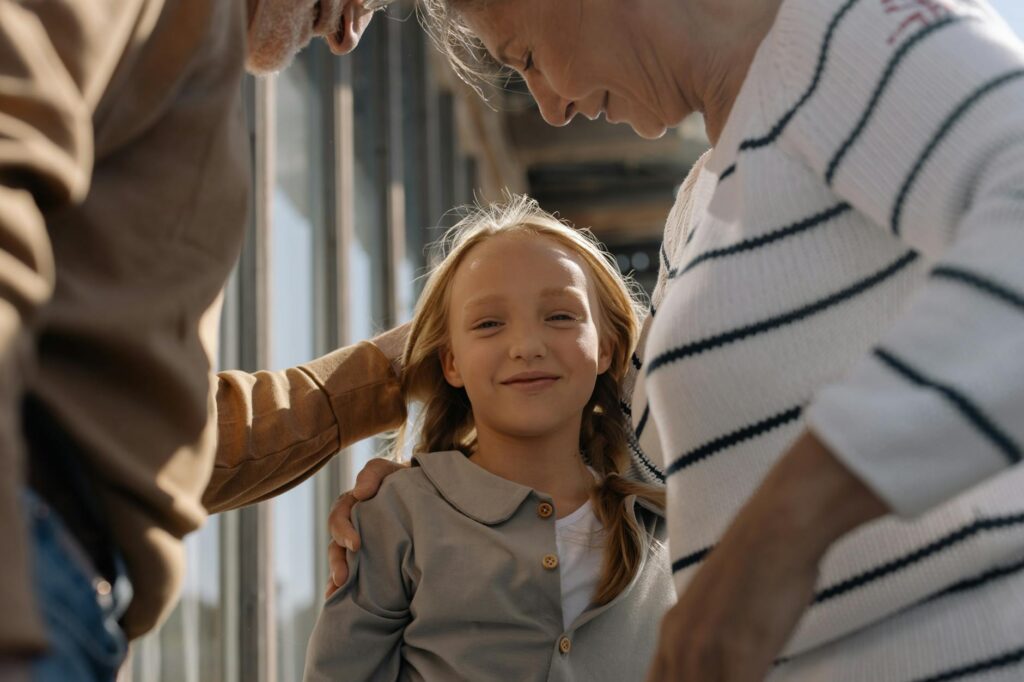
Effective Support Strategies for Kids
Listen Actively and Empathetically
Listening is a foundational emotional support technique for grandparents. Implement the following steps to practice active listening:
- Maintain Eye Contact: Look the child in the eyes while they speak. This shows you are engaged and value what they are saying.
- Avoid Interrupting: Let the child finish their thoughts without interruptions. This demonstrates respect for their feelings and opinions.
- Validate Their Feelings: Use phrases like, “I understand that you feel sad,” or “It’s okay to be upset.” This helps children feel acknowledged.
- Ask Open-Ended Questions: Encourage deeper conversation with questions like, “What made you feel that way?” This allows them to express themselves more fully.
By implementing these active listening techniques, you can foster a supportive environment that helps children articulate their emotions, which is crucial when helping children cope with challenges such as divorce or loss.
Encourage Expression of Feelings
Encouraging children to express their feelings can be a powerful way to provide emotional support. Here are some effective strategies:
- Art Activities: Provide materials for drawing, painting, or crafting. Let children create artwork that reflects their feelings. This can help them process emotions non-verbally.
- Storytelling: Encourage children to share stories about their experiences. This can be done through books, oral storytelling, or even creating their own stories. It allows them to articulate their emotions in a safe space.
- Play Therapy: Use toys or games to help children express their feelings. Role-playing can be especially effective for exploring complex emotions.
These support strategies for kids not only enhance emotional understanding but also strengthen the bond between grandparents and grandchildren. Through these methods, you can effectively implement emotional support techniques grandparents can use to nurture children’s emotional health.
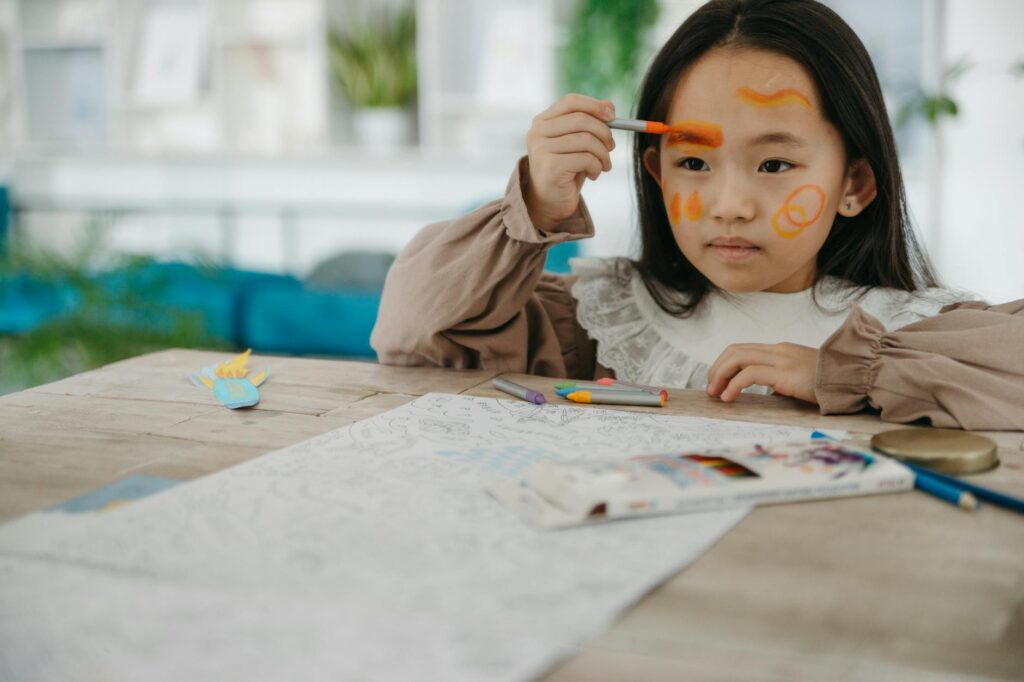
By utilizing these strategies, you can make a meaningful impact in your grandchild’s emotional journey, particularly during challenging times.
Grandparent Techniques for Divorce Situations
Divorce can be a challenging time for families, especially for children. As a grandparent, employing effective emotional support techniques grandparents can use is essential in helping children cope during this transitional period. Here are some step-by-step strategies to provide stability and encouragement.
Maintain a Routine and Stability
- Assess the Current Situation: Understand the emotional state of your grandchildren. Talk to your child (the parent) about their feelings and any routines they currently have.
- Establish Consistency: Create a predictable schedule for your grandchildren. This can include regular meal times, bedtime rituals, and weekly activities. Predictability helps children feel safe.
- Incorporate Family Traditions: Engage in activities that your grandchildren enjoy, whether it’s a weekly movie night or family game day. These traditions can provide comfort and a sense of normalcy.
- Communicate Openly: Regularly check in with your grandchildren about how they are feeling. Encourage them to express their thoughts and worries, fostering an environment of trust.
By maintaining routines, you create a stable environment that can significantly ease anxiety and help children adjust to their new reality. This is a crucial aspect of helping children cope during divorce.
Be a Source of Positive Reinforcement: Emotional Support Techniques Grandparents Can Use
- Recognize Achievements: Celebrate even small successes in your grandchildren’s lives, whether it’s a good grade or a new skill they’ve learned. This builds their self-esteem.
- Offer Genuine Praise: Use specific, heartfelt compliments to reinforce their efforts and strengths. For example, say, “I’m so proud of how hard you worked on that project.”
- Encourage Resilience: Help your grandchildren understand that it’s okay to feel sad or upset. Share stories of overcoming challenges to inspire confidence and resilience.
- Engage in Positive Activities: Plan fun outings or engaging activities that distract from stressors. This could be arts and crafts, going for walks, or playing sports together.
Utilizing these support strategies for kids not only provides comfort but also helps build their confidence during a tumultuous time. Be the supportive figure they need, offering love and encouragement as they navigate this change.
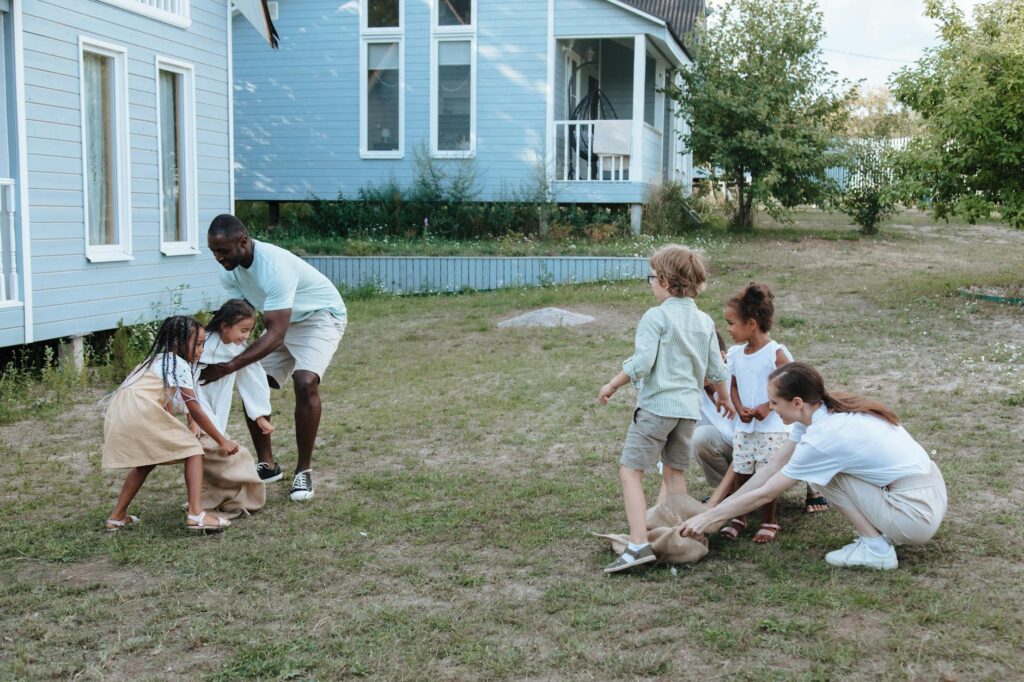
By applying these grandparent techniques for divorce situations, you can make a positive impact in your grandchildren’s lives, ensuring they feel loved and supported through this challenging time. Your role is invaluable and can provide the emotional safety net they need.
Remember, a grandparent’s love can be a powerful tool in helping children cope with life’s challenges. For more techniques and insights, explore additional resources on emotional support strategies.
Helping Children Cope with Divorce
Divorce can be a challenging experience for children, and as grandparents, your role in providing emotional support is crucial. Utilize these emotional support techniques grandparents can employ to help children navigate this difficult time.
Introduce Fun Activities to Distract and Engage
- Plan Creative Outings: Organize trips to the zoo, museum, or local park. Engaging with nature or exploring new environments can uplift their spirits. Research shows that spending time outdoors can significantly reduce stress and anxiety in children source.
- Incorporate Arts and Crafts: Set up a craft station at home. Encourage children to express their feelings through art. This activity not only serves as a distraction but also promotes emotional expression.
- Host Movie Nights: Create a cozy movie night with their favorite films and snacks. This familiar routine can provide comfort and a sense of security during turbulent times.
- Engage in Reading Together: Share stories that focus on themes of family, change, and resilience. Reading together fosters bonding and provides opportunities for open discussions about their feelings.

Photo by Los Muertos Crew on Pexels
Promote Healthy Relationships with Both Parents
Encouraging a positive relationship with both parents is essential for a child’s emotional well-being. Here are some grandparent techniques for divorce that can help:
- Facilitate Communication: Encourage your grandchild to express their feelings about the divorce. Listen actively and validate their emotions. Help them communicate with their parents, reinforcing that it’s okay to talk about their feelings.
- Support Visits: When possible, arrange visits with both parents. Ensure these transitions are smooth and emphasize the importance of maintaining strong connections with each parent.
- Stay Neutral: Avoid speaking negatively about either parent in front of the child. Remaining neutral helps children feel secure and loved by both parents, which is vital for helping children cope with the changes in their family structure.
- Encourage Shared Activities: Suggest activities that involve both parents, such as sports or school events. This can help build a cooperative relationship between the parents and provide the child with a sense of normalcy.
By implementing these support strategies for kids, you can play a vital role in helping children cope with the emotional upheaval of divorce. Your involvement can make a significant difference in their ability to adapt and thrive.
Conclusion: Building a Lasting Support System
Establishing a strong emotional support system is vital for grandparents who want to help their grandchildren navigate life’s challenges. By utilizing effective emotional support techniques grandparents can create a nurturing environment that fosters resilience and understanding. Follow these steps to build a lasting support system:
1. Be Patient and Available
- Recognize that every child is unique and may react differently to various situations. Be patient with their emotional responses.
- Make yourself available for conversations, even if they seem trivial. Let your grandchild know that you are there to listen without judgment.
- Encourage open communication by asking questions that prompt them to share their feelings. Use phrases like, “How did that make you feel?” to initiate dialogue.
- Implement support strategies for kids that reinforce their emotional well-being. For example, play games or engage in activities that allow them to express their feelings creatively.
2. Continue Learning and Adapting
- Stay informed about child development and emotional health. Resources like the American Psychological Association can provide valuable insights.
- Be flexible in your approach. If a technique is not working, don’t hesitate to try a different strategy. Adapt your methods based on your grandchild’s needs.
- Understand the impact of significant life changes, such as divorce, on children. Familiarize yourself with grandparent techniques divorce to better support your grandchild during these transitions.
- Participate in workshops or read books that focus on helping children cope with their emotions. This ongoing education will strengthen your ability to provide the necessary support.
By being patient and adapting to your grandchild’s evolving needs, you will cultivate a robust emotional support system. Remember, the journey of helping children cope with their emotions is ongoing, but your efforts will make a significant impact.
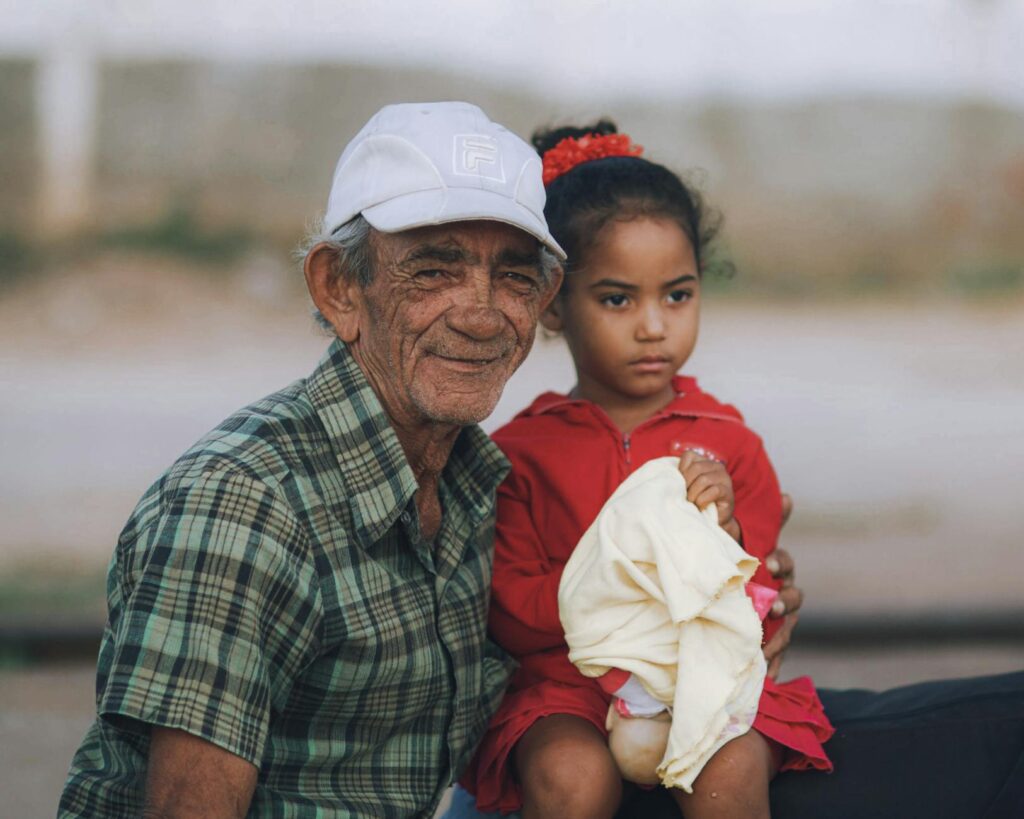
Utilizing effective emotional support techniques for grandparents can significantly enhance the relationship between grandparents and their grandchildren. By employing specific support strategies for kids, such as open communication and active listening, grandparents can create a nurturing environment that fosters emotional resilience. When navigating challenging situations like divorce, it’s essential to apply tailored grandparent techniques that help children cope with their feelings and uncertainties.
Encouraging regular family discussions and providing a safe space for children to express their emotions are vital steps in this process. By consistently implementing these emotional support techniques, grandparents can play a crucial role in their grandchildren’s emotional development. Consider taking the next step by exploring more resources on support your grandchildren emotionally during a divorce to further enhance your ability to support your grandchildren during difficult times.
“`html
What are the best emotional support techniques for grandparents?
Emotional support techniques for grandparents include active listening, offering a safe space for feelings, and maintaining open communication. Grandparents can encourage their grandchildren to share their thoughts and emotions without judgment. Additionally, providing reassurance and being present during difficult times can help strengthen the emotional bond. Activities like storytelling, sharing memories, or engaging in hobbies together also create an opportunity for emotional connection and support.
How can grandparents help children cope with divorce?
Grandparents can be a crucial source of stability for children coping with divorce. They can provide emotional support by listening to the child’s concerns and validating their feelings. It is essential to maintain routines and offer a consistent presence. Encouraging children to express emotions and reassuring them that they are loved can also be beneficial. Engaging in fun activities together can help create a positive environment during this challenging time.
What support strategies for kids can grandparents use?
Support strategies for kids that grandparents can utilize include providing a listening ear, offering comfort, and facilitating open conversations about feelings. Grandparents can also help by involving children in enjoyable activities, which can serve as healthy distractions. Additionally, teaching coping skills, such as deep breathing or journaling, can empower children to manage their emotions effectively. Establishing a loving and secure atmosphere is key in helping children navigate their feelings.
What are effective grandparent techniques for divorce?
Effective grandparent techniques for divorce involve being available and approachable. Grandparents should encourage grandchildren to express their feelings and validate their experiences. Offering fun and engaging activities can provide a welcome distraction and create positive memories. It’s important to communicate the message that love and support remain constant, regardless of family changes. Practicing patience and understanding while maintaining regular contact helps reinforce emotional security during this transition.
How can I encourage my grandchild to express their feelings?
To encourage your grandchild to express their feelings, create a safe and non-judgmental environment where they feel comfortable sharing. Ask open-ended questions about their day or how they feel about certain situations. Use activities like drawing or storytelling to help them articulate their emotions. Remind them that it’s okay to feel a range of emotions, and reassure them that you are there to listen without judgment. This approach fosters trust and communication.
What activities can help children dealing with divorce?
Activities that help children dealing with divorce include art projects, outdoor play, and reading together. Engaging in physical activities, such as sports or nature walks, can also provide a healthy outlet for emotions. Creative expressions like writing or drawing can help children process their feelings. Additionally, cooking or baking together can be a fun way to bond and create positive experiences amidst the challenges they face.
“`