
Effective communication strategies are crucial for grandparents navigating the complex dynamics of their grandchildren’s divorce. Understanding how to approach sensitive topics can strengthen family bonds and provide much-needed support. This article explores essential communication strategies for grandchildren’s divorce, offering step-by-step grandparent communication tips to help you connect meaningfully with your loved ones during this challenging time. You will learn practical strategies for supporting kids during divorce, including how to talk to kids about divorce effectively, ensuring they feel heard and understood. By employing these techniques, you can create a safe space for your grandchildren to express their feelings, while also reinforcing the importance of family unity. Whether you’re looking for immediate ways to address their concerns or long-term strategies to maintain open lines of communication, this guide will equip you with the tools you need to be a positive presence in their lives. For further reading on child psychology during divorce, visit the American Psychological Association.
Understanding Communication Strategies for Grandchildren’s Divorce
Divorce can significantly affect grandchildren, often leading to confusion, sadness, and anxiety. As a grandparent, employing effective communication strategies can help your grandchildren navigate this challenging time. Follow these steps to provide the support they need.
1. Recognize the Emotional Impact of Divorce
Understand that your grandchildren may experience a range of emotions, including anger, fear, and grief. Recognizing these feelings is the first step in providing support. Here’s how:
- Educate Yourself: Familiarize yourself with the emotional effects of divorce on children. Resources like the American Psychological Association can offer valuable insights.
- Observe Changes: Watch for behavioral changes, such as withdrawal, irritability, or changes in school performance. Acknowledge these signs as indicators that your grandchild needs assistance.
2. Listen Actively and Empathetically
Effective listening is crucial when communicating with grandchildren about their parents’ divorce. Here’s how to implement communication strategies for grandchildren’s divorce:
- Create a Safe Space: Encourage your grandchildren to express their feelings without fear of judgment. A cozy environment fosters open dialogue.
- Practice Active Listening: Show that you are engaged by maintaining eye contact, nodding, and providing verbal affirmations like “I understand.” This helps convey that you value their thoughts.
- Ask Open-Ended Questions: Instead of yes or no questions, ask about their feelings. For example, “How do you feel about what’s happening with your parents?” This encourages them to share more.
Utilizing these grandparent communication tips allows you to support your grandchildren effectively. Remember to validate their emotions, saying things like “It’s okay to feel sad” can help them feel understood.
Lastly, consider sharing resources on emotional health with your grandchildren, such as children’s books about divorce or counseling options. Refer to local services like KidsHealth for additional support.
By implementing these strategies, you can play a vital role in supporting kids during divorce and helping them through this transition. Your understanding and willingness to listen can make a significant difference in their emotional recovery.
Engaging with your grandchildren using these strategies will strengthen your relationship and provide them with the emotional support they need during a challenging period.
“`html
Step-by-Step Grandparent Communication Tips
Step 1: Create a Safe Space for Conversations
Establish a welcoming environment for your grandchildren to express their feelings about the divorce. This can significantly enhance your communication strategies grandchildren divorce and foster trust.
- Choose a Comfortable Setting: Select a quiet, cozy place in your home, like a living room or a garden, where distractions are minimal.
- Be Present: Put away your phone and other distractions during conversations to show that you value their thoughts.
- Encourage Open Dialogue: Prompt them with open-ended questions like, “How are you feeling about everything happening?” This invites them to share their emotions freely.
By creating this safe space, you help your grandchildren feel secure enough to open up about their feelings, which is essential when supporting kids during divorce.
Step 2: Use Age-Appropriate Language
Tailor your language to fit the age of your grandchildren. This ensures they comprehend the conversation and feel engaged.
- For Younger Children (Ages 5-8): Use simple terms. For example, say, “Sometimes adults need to live apart to be happier. It’s not your fault.”
- For Tweens (Ages 9-12): You can discuss feelings more deeply. Try saying, “It’s okay to be sad or angry about the changes. How do you feel about it?”
- For Teens (Ages 13+): Approach the topic more directly. Use phrases like, “This is a tough time for everyone. What do you need from me right now?”
Using age-appropriate language allows you to connect better with your grandchildren while effectively discussing sensitive topics, including divorce. For more on communication styles based on age, consider reviewing resources like Child Development Info.

“`
Supporting Kids During Divorce: Practical Strategies
Divorce can be a challenging experience for children, and as grandparents, you play a crucial role in supporting your grandchildren during this time. Implement effective communication strategies for grandchildren divorce to help them navigate their feelings. Follow these steps to encourage emotional expression and provide thoughtful support.
Step 3: Encourage Open Dialogue
Foster an environment where your grandchildren feel safe expressing their feelings about the divorce. Here’s how:
- Ask open-ended questions: Use questions that require more than a yes or no answer, such as “How do you feel about what’s happening?” or “What do you think will change for you?”
- Listen actively: Show that you are engaged by maintaining eye contact, nodding, and providing verbal affirmations. This encourages them to share more.
- Validate their feelings: Acknowledge that their feelings are normal and important. Phrases like “It’s okay to feel sad” can help them understand their emotions.
- Encourage creative expression: Suggest activities like drawing or writing to help them express their feelings in a non-verbal way.
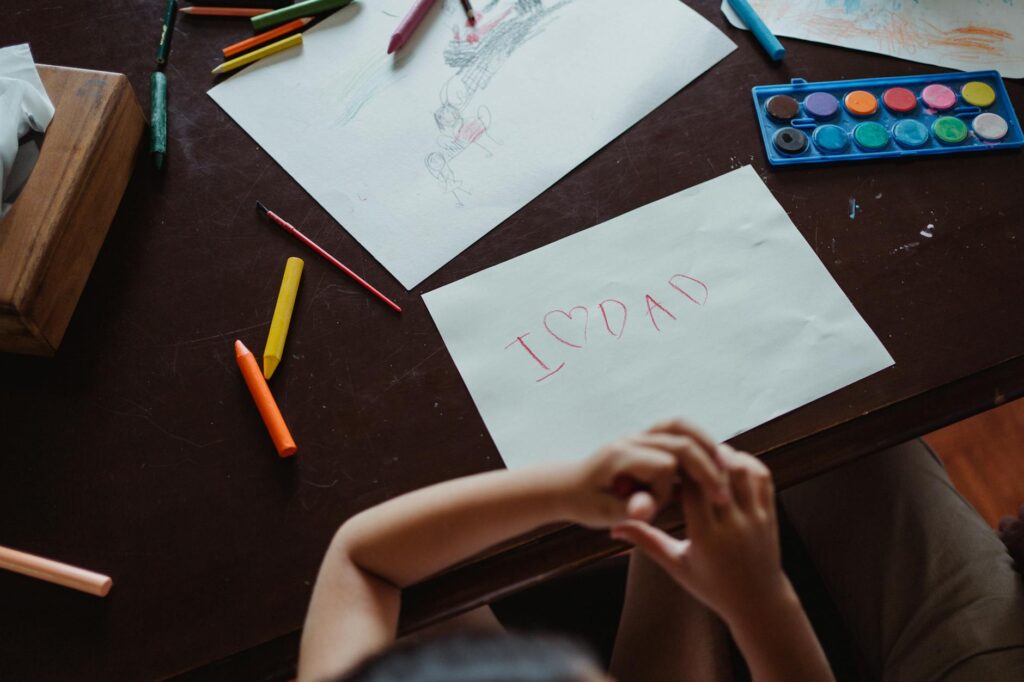
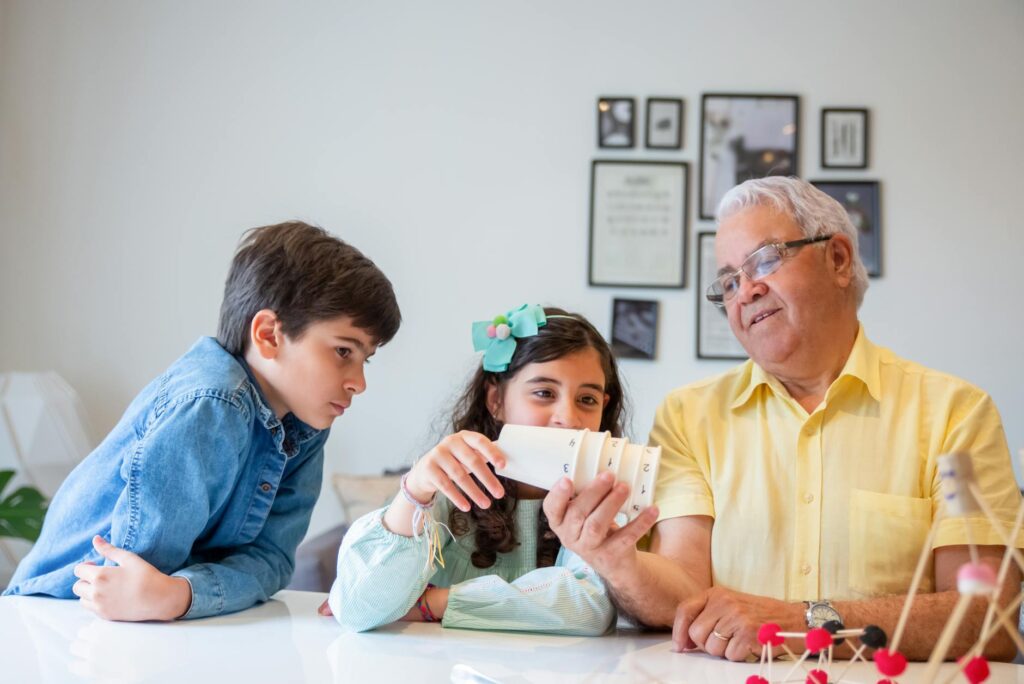
Photo by Ketut Subiyanto on Pexels
Step 4: Share Your Own Experiences Thoughtfully
While it’s essential to encourage your grandchildren to share their feelings, you can also help by sharing your own experiences, but do so with care:
- Be sensitive: Share your experiences in a way that does not overshadow their feelings. Use phrases like “I felt similar when…” instead of making it about you.
- Provide perspective: Explain how you overcame challenges, emphasizing resilience and hope. This can give them a sense of comfort and reassurance.
- Encourage professional help: If your grandchildren are struggling significantly, suggest they talk to a counselor or join a support group. This can be an effective way of supporting kids during divorce.
By implementing these grandparent communication tips, you can create a supportive environment that helps your grandchildren process their emotions effectively. Remember, the goal is to provide a safe space for dialogue while also ensuring they feel understood and supported.
Utilizing communication strategies grandchildren divorce can significantly aid in their emotional healing process. Be present, listen actively, and encourage them to express their thoughts and feelings openly.
How to Talk to Kids About Divorce Effectively
When discussing sensitive topics like divorce with your grandchildren, effective communication strategies are essential. As a grandparent, your role can be pivotal in supporting kids during divorce. Follow these steps to ensure you communicate in a way that is comforting and supportive.
Step 5: Validate Their Feelings
1. **Listen Actively:** Encourage your grandchildren to express their emotions. Show that you are listening by maintaining eye contact and nodding. Give them your full attention without interrupting.
2. **Acknowledge Their Emotions:** Say things like, “It’s okay to feel sad or confused.” Validating their feelings helps them understand that it’s normal to experience a range of emotions during this time.
3. **Share Similar Experiences:** If appropriate, share your own experiences with change. This can help them feel less isolated and more understood. However, ensure that your stories are relevant and not overshadowing their feelings.
4. **Encourage Expression:** Suggest activities that might help them express their emotions, such as drawing or writing. This can provide them with an outlet for their feelings. For more insights on emotional validation, consider reading [this article on child psychology](https://www.apa.org/topics/child-development).
Step 6: Stay Neutral When Discussing Parents
1. **Avoid Blame:** When talking about their parents, use neutral language. Refrain from making negative comments about either parent. Instead, focus on the child’s feelings and experiences.
2. **Use “I” Statements:** Frame discussions in a way that emphasizes the child’s perspective. For example, say, “I can see you’re feeling upset about the changes,” instead of “Your mom doesn’t understand you.” This helps maintain neutrality and avoids placing blame.
3. **Encourage Open Dialogue:** Let them know it’s okay to talk about their feelings regarding both parents. This openness can foster trust and communication. Encourage them to ask questions and express concerns without fear of judgment.
4. **Reassure Them of Love:** Remind your grandchildren that both parents love them, regardless of the situation. This is crucial for their emotional well-being and helps them feel secure. For additional grandparent communication tips, check out [this resource on effective communication](https://www.childpsychologyforum.org).
By utilizing these communication strategies for grandchildren during a divorce, you can create a safe space for them to express their feelings and navigate this challenging time more effectively.
Long-term Communication Strategies for Grandparents
Step 7: Follow Up Regularly
Establish a routine for checking in on your grandchildren. Regular communication is crucial for maintaining strong emotional connections, especially during challenging times like divorce. Use methods such as phone calls, video chats, or text messages to reach out at least once a week.
- Schedule a weekly phone call or video chat.
- Send an occasional text to see how they are doing.
- Share fun memories or photos to keep the conversation light and enjoyable.
According to a study by the National Institutes of Health, sustained family support significantly aids children in coping with the effects of divorce. Implementing these communication strategies for grandchildren during divorce can make a substantial difference in their emotional wellbeing.
Step 8: Be Patient and Understanding
Recognize that your grandchildren may be experiencing a whirlwind of emotions. When you reach out, be prepared to listen more than you speak. Use open-ended questions to encourage them to share their feelings. For example, instead of asking if they are sad, ask how they feel about the changes happening in their lives.
- Practice active listening; show you care by acknowledging their feelings.
- Give them space if they are not ready to share.
- Reassure them that it’s okay to talk about their emotions, and you are there for them.
Staying patient and understanding not only helps your grandchildren feel supported but also reinforces the importance of familial relationships. As you implement these grandparent communication tips, remember that your ongoing presence is invaluable in supporting kids during divorce.
Utilizing effective communication strategies for grandchildren during a divorce is essential for maintaining strong relationships. By actively listening and validating their feelings, you can help them navigate this challenging time. Remember also that your role as a grandparent is to provide unwavering support and reassurance, which can foster resilience in your grandchildren. As you explore how to talk to kids about divorce, keep in mind that patience and empathy go a long way in helping them feel secure.
Implementing these grandparent communication tips will not only strengthen your bond with your grandchildren but also empower them during this transition. By being present and offering a safe space for their thoughts and emotions, you are playing a crucial role in supporting kids during divorce. So, take the first step today, reach out to your grandchildren and remind them that they are loved and supported through every change they face.
“`html
What are effective communication strategies for grandchildren during divorce?
Effective communication strategies for grandchildren during divorce include being open, honest, and approachable. Encourage them to express their feelings and validate their emotions. Use simple language that is age-appropriate, and try to maintain a calm demeanor. Listening actively is key; make sure they know you are there for them. Additionally, create a safe space for discussions, where they feel comfortable sharing their thoughts without fear of judgment.
How do I talk to kids about divorce?
When discussing divorce with kids, it’s crucial to be sensitive and straightforward. Use clear, simple language and explain the situation without going into unnecessary detail. Reassure them that the divorce is not their fault, and emphasize that both parents will continue to love and support them. Encourage them to ask questions and express their feelings. It’s important to remain calm and patient throughout the conversation, allowing them to process the information at their own pace.
What are some grandparent communication tips for supporting my grandchildren?
Grandparents can provide invaluable support during challenging times. Some effective communication tips include being a good listener, offering emotional support, and sharing your own experiences in a relatable way. Be available for one-on-one conversations, and make time for fun activities to lighten the mood. Additionally, maintain regular contact through calls, texts, or visits to show your grandchildren that you are there for them, no matter what.
How can I help my grandchildren during their parents’ divorce?
Helping your grandchildren during their parents’ divorce requires a combination of emotional support and practical assistance. Encourage them to talk about their feelings and let them know they can trust you. Offer to participate in activities that promote a sense of normalcy, like family outings or game nights. Additionally, stay informed about the divorce process, as this can help you answer their questions and provide reassurance during uncertain times.
What should I avoid when talking to kids about divorce?
Avoid discussing adult issues or placing blame when talking to kids about divorce. This can create confusion and additional stress for them. It is also important not to pressure them to choose sides or share too much information that they may not be ready to handle. Additionally, refrain from making promises that cannot be kept, such as guaranteeing things will return to how they were before the divorce.
How can I maintain a relationship with my grandchildren post-divorce?
Maintaining a relationship with your grandchildren post-divorce involves consistent communication and engagement. Make an effort to schedule regular visits or calls to stay connected. Show interest in their lives and activities, and be there to support them emotionally. Additionally, try to collaborate with their parents to ensure that your relationship remains strong and that you are involved in their lives despite family changes.
“`