Accessing mental health resources for children in grandfamilies in Utah can be a crucial step in ensuring their well-being. Grandfamilies, which consist of grandparents raising their grandchildren, often face unique challenges that can impact the mental health of the children involved. This article aims to provide a comprehensive guide on how to navigate available mental health resources children grandfamilies Utah need. We will walk you through the essential steps: first, identifying the mental health needs of children in grandfamilies; next, exploring various Utah mental health support resources; then, detailing the process of accessing mental health services; followed by tips on building a support network; and finally, emphasizing the importance of follow-up and continuous support. By the end of this article, you will be equipped with the knowledge to effectively support the mental health of the children in your grandfamily, ensuring they thrive in a nurturing environment.
Understanding Mental Health Resources for Children in Grandfamilies Utah
What Are Grandfamilies?
Grandfamilies refer to families in which children are raised by their grandparents or other relatives rather than their biological parents. This family structure is becoming increasingly prevalent, particularly in Utah, where societal factors such as substance abuse, economic challenges, and mental health issues often lead to this arrangement. Grandfamilies face unique challenges, including navigating legal systems, financial strain, and emotional stress, which can significantly impact the mental health of the children involved.
Importance of Mental Health Resources for Children in Grandfamilies Utah
Recognizing and addressing grandfamilies children’s mental health is crucial for their overall well-being. Children in these families may experience feelings of loss, abandonment, or confusion regarding their family dynamics. Providing access to appropriate mental health resources can help them cope with these feelings and foster resilience.
To effectively access mental health resources for children in grandfamilies in Utah, follow these steps:
- Identify Needs: Assess the mental health needs of the children in your family. Consider their emotional responses and any behavioral issues that may arise.
- Research Available Resources: Utilize local directories to find Utah mental health support services specifically tailored for grandfamilies. Look for organizations that specialize in children’s mental health.
- Connect with Professionals: Contact mental health professionals or organizations to discuss available services, including therapy, counseling, and support groups.
- Explore Community Programs: Look for community programs that focus on family support, which may offer workshops, counseling sessions, or social activities to help children feel supported.
- Utilize Online Resources: Leverage online platforms and resources that offer educational materials and links to accessing mental health services.
By taking these steps, grandfamilies in Utah can ensure that their children receive the necessary mental health resources to thrive.

Step 1: Identify the Mental Health Needs of Children in Grandfamilies
Understanding the mental health needs of children in grandfamilies is crucial for fostering their well-being. Here’s how to effectively identify those needs.
Recognizing Signs of Distress
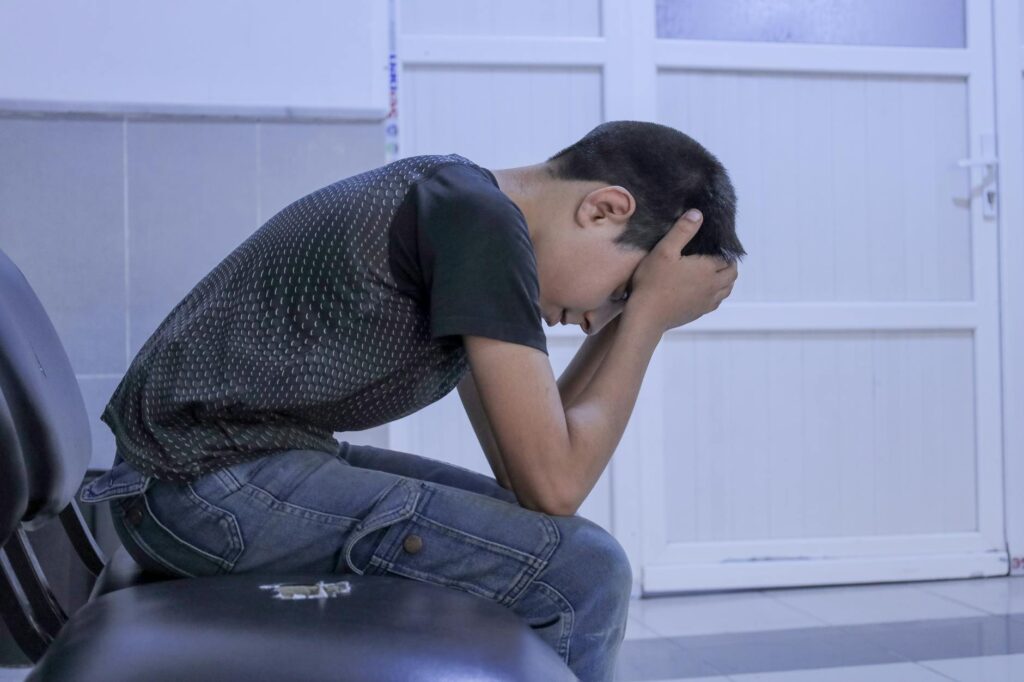
Begin by observing the children’s behaviors and emotions. Look for signs such as:
- Changes in Mood: Monitor for increased irritability, sadness, or withdrawal.
- Behavioral Changes: Watch for sudden shifts in behavior, such as aggression, defiance, or loss of interest in activities.
- Academic Decline: Note any drop in school performance or reluctance to attend school.
- Physical Symptoms: Be aware of complaints of headaches, stomachaches, or fatigue without medical explanation.
These signs can indicate that a child is struggling emotionally or mentally. Recognizing these early can lead to timely intervention, which is essential in accessing mental health resources for children in grandfamilies in Utah.
Assessing Individual Needs
After identifying signs of distress, take the following steps to assess the individual needs of the child:
- Engage in Open Conversations: Discuss feelings and experiences with the child in a safe and supportive environment.
- Utilize Assessment Tools: Use resources such as the Child and Adolescent Mental Health Screening Tool to evaluate their mental health status.
- Involve Professionals: Consult with healthcare providers who specialize in Utah mental health support for children to gain insights and recommendations.
By following these steps, you will better understand the mental health needs of children in grandfamilies, ensuring that you can access the necessary mental health resources children grandfamilies Utah require for their well-being.

Step 2: Explore Utah Mental Health Support Resources
Accessing mental health resources for children in grandfamilies in Utah begins with understanding the various support systems available. Follow these steps to explore the resources tailored specifically for your needs.
Mental Health Resources for Children in Grandfamilies Utah
-
Identify State Resources:
- Visit the Utah Division of Substance Abuse and Mental Health website to find statewide programs focusing on children’s mental health.
- Check out the Utah Behavioral Health Network, which offers a range of services and resources for families.
-
Locate Local Community Programs:
- Contact local nonprofits such as United Way of Utah County, which helps connect families with mental health resources.
- Explore organizations like NAMI Utah, which offers support groups and educational resources specifically for families.
-
Utilize Grandfamilies-Specific Services:
- Investigate programs like Grandfamilies.org that provide targeted support and resources for kinship caregivers in Utah.
- Reach out to local schools for information about mental health services available for children in grandfamilies, as many offer counseling and support through their programs.
By exploring these Utah mental health support resources, you will be better equipped to help children in your care. Understanding these tools and services is essential for accessing mental health services that cater to grandfamilies’ unique needs.

Step 3: Accessing Mental Health Services for Children
Finding Qualified Providers
To access mental health resources for children in grandfamilies in Utah, begin by identifying qualified mental health providers. Follow these steps:
- Research Local Providers: Utilize online directories such as Psychology Today or NAMI to find therapists specializing in children’s mental health in your area. Look for those with experience in working with grandfamilies.
- Check Qualifications: Verify the credentials of potential providers. Ensure they are licensed and have experience in child psychology or psychiatry.
- Read Reviews: Look for reviews or testimonials from other families to gauge the effectiveness and approachability of the providers you are considering.
- Contact Providers: Call or email providers to inquire about their services, availability, and experience with grandfamilies. Ask specific questions about their approach to treating children.
Navigating Insurance and Costs
Understanding insurance options and potential costs is crucial when accessing mental health services:
- Review Your Insurance Policy: Check your health insurance for mental health coverage. Look for specific benefits regarding child therapy.
- Contact Insurance Providers: Speak with your insurance representative to clarify what mental health services are covered, including co-pays and deductibles.
- Explore Financial Assistance: If costs are a concern, research programs that provide financial aid for mental health services. Organizations like Utah’s Division of Substance Abuse and Mental Health offer resources for families seeking assistance.
By following these steps, you will effectively access mental health resources for children in grandfamilies in Utah, ensuring that your loved ones receive the support they need.

Step 4: Building a Support Network
Creating a robust support network is essential for accessing mental health resources for children in grandfamilies in Utah. This network can provide emotional support, practical advice, and shared experiences that can help you navigate the challenges you face.
Connecting with Other Grandfamilies
- Join Local Support Groups: Search for grandfamilies support groups in your area. Organizations like Utah’s Department of Human Services offer programs specifically for grandfamilies. These groups can provide a space to connect with others who understand your unique challenges.
- Participate in Community Events: Attend community events or workshops aimed at supporting grandfamilies. These gatherings can be excellent opportunities to meet others and share resources.
- Establish Relationships: Reach out to people you meet at these groups or events. Building friendships with other grandfamilies can offer ongoing emotional support and practical advice. These connections can help address grandfamilies children’s mental health needs.
Utilizing Online Resources
Online platforms can serve as a valuable extension of your support network. Consider the following:
- Join Online Forums: Websites such as Grandfamilies.org offer forums where you can discuss your experiences and seek advice from others in similar situations.
- Engage with Social Media Groups: Look for Facebook groups or other social media platforms dedicated to grandfamilies. Many people share their stories and resources, creating a virtual support network.
- Access Online Workshops: Many organizations provide webinars focusing on issues faced by grandfamilies. These can be valuable for learning about accessing mental health services and other supports available in Utah.
By actively engaging with both local and online communities, you will create a robust support network that can help you and your family. This network is a key part of accessing mental health resources for children in grandfamilies in Utah.

Step 5: Follow-Up and Continuous Support
Accessing mental health resources children grandfamilies Utah involves more than just initial appointments. Consistent follow-up and ongoing support are essential to ensure that the mental health needs of children are being met effectively. This step focuses on monitoring progress and adjusting care plans as needed.
Monitoring Progress
- Schedule Regular Follow-Up Appointments: Arrange periodic check-ins with mental health professionals. This allows for ongoing assessment of your child’s mental health and the effectiveness of the strategies being implemented.
- Keep Detailed Notes: Document observations regarding your child’s behavior, emotional responses, and any changes in their circumstances. This information will be vital during follow-up appointments.
- Engage with Support Networks: Connect with other grandfamilies or support groups in Utah. Sharing experiences can provide valuable insights and help in understanding common challenges.
Adjusting Care Plans as Needed
As children grow and their situations change, so too may their mental health needs. Be proactive in adjusting care plans by following these steps:
- Evaluate Counseling Efficacy: Discuss with your child’s mental health provider whether the current approach is meeting their needs. If not, explore alternative therapies or interventions.
- Incorporate Feedback: Involve your child in discussions about their treatment. Understanding their feelings and preferences can lead to more effective care strategies.
- Utilize Available Resources: Stay informed about new Utah mental health support programs or resources. These can provide additional assistance tailored to evolving needs.
Following these steps will help ensure that you are effectively accessing mental health services and providing the necessary support for grandfamilies children’s mental health in Utah. Remember, the journey toward mental wellness is ongoing, and support is always available.
Accessing mental health resources for children in grandfamilies in Utah is crucial for ensuring their well-being. By tapping into available Utah mental health support, caregivers can provide a nurturing environment that addresses the unique challenges faced by grandfamilies. Whether it’s through counseling, support groups, or educational resources, there are numerous avenues to explore for enhancing grandfamilies children’s mental health.
If you are a grandparent raising grandchildren, take the first step by connecting with local services or organizations that specialize in accessing mental health services. Remember, seeking help is a sign of strength, and embracing available resources can lead to a brighter future for both you and your grandchildren. Don’t hesitate to reach out and explore the mental health resources children grandfamilies Utah have to offer.
“`html
What mental health resources are available for grandfamilies in Utah?
In Utah, grandfamilies can access various mental health resources tailored to their unique needs. Organizations such as the Utah Division of Substance Abuse and Mental Health provide support specifically for grandfamilies. Additionally, local community health centers offer counseling and therapy for children and caregivers. Resources like Utah’s official state website can help you find specific services. Accessing mental health resources for children grandfamilies Utah requires understanding available programs and local support networks.
How can I find mental health services for my child?
To find mental health services for your child in Utah, start by reaching out to your pediatrician or family doctor, who can provide referrals to specialists. You can also contact local mental health clinics or schools that offer counseling services. Websites like NAMI and MentalHealth.gov can guide you in finding appropriate resources in your area.
What are the signs of mental health issues in children?
Signs of mental health issues in children may include changes in behavior, mood swings, withdrawal from activities, and difficulty concentrating. You might also notice changes in sleep or eating patterns, as well as increased irritability or sadness. If you observe these signs, it’s important to seek help from a mental health professional. Early intervention can make a significant difference in your child’s well-being.
Are there financial assistance options for mental health services in Utah?
Yes, there are several financial assistance options for mental health services in Utah. The state provides Medicaid and CHIP programs that can help cover costs for eligible families. Additionally, community mental health centers often offer sliding scale fees based on income. For more information, visit the Utah Medicaid website or contact local agencies for potential grants or financial aid.
How can grandfamilies connect with support groups?
Grandfamilies can connect with support groups through local community organizations, churches, or online platforms. The Utah Grandfamilies Support Group offers resources and opportunities to meet other caregivers facing similar challenges. Websites like Grandfamilies.org can also provide information on virtual support groups and local chapter meetings to foster connections and share experiences.
What should I do if my child is struggling with mental health?
If your child is struggling with mental health issues, it’s essential to seek professional help. Start by talking to your child about their feelings and reassure them that they are not alone. Consult with a mental health professional who specializes in children’s mental health. Resources such as Child Mind Institute provide valuable guidance. Early intervention can lead to effective strategies and support for your child’s well-being.
“`